My Experience with the 12V Battery Terminal Adapter
If you ride, you know the struggle of trying to keep your phone or GPS charged when you’re out for a long day. Most modern bikes have a USB port hidden somewhere, but my older motorcycle didn’t come with anything from the factory. I didn't want to mess with the wiring harness or start cutting into the main loom, so I started looking for a plug-and-play solution. That’s when I decided to grab it on Amazon to see if it would hold up to the vibrations of the road.
Installation and First Impressions
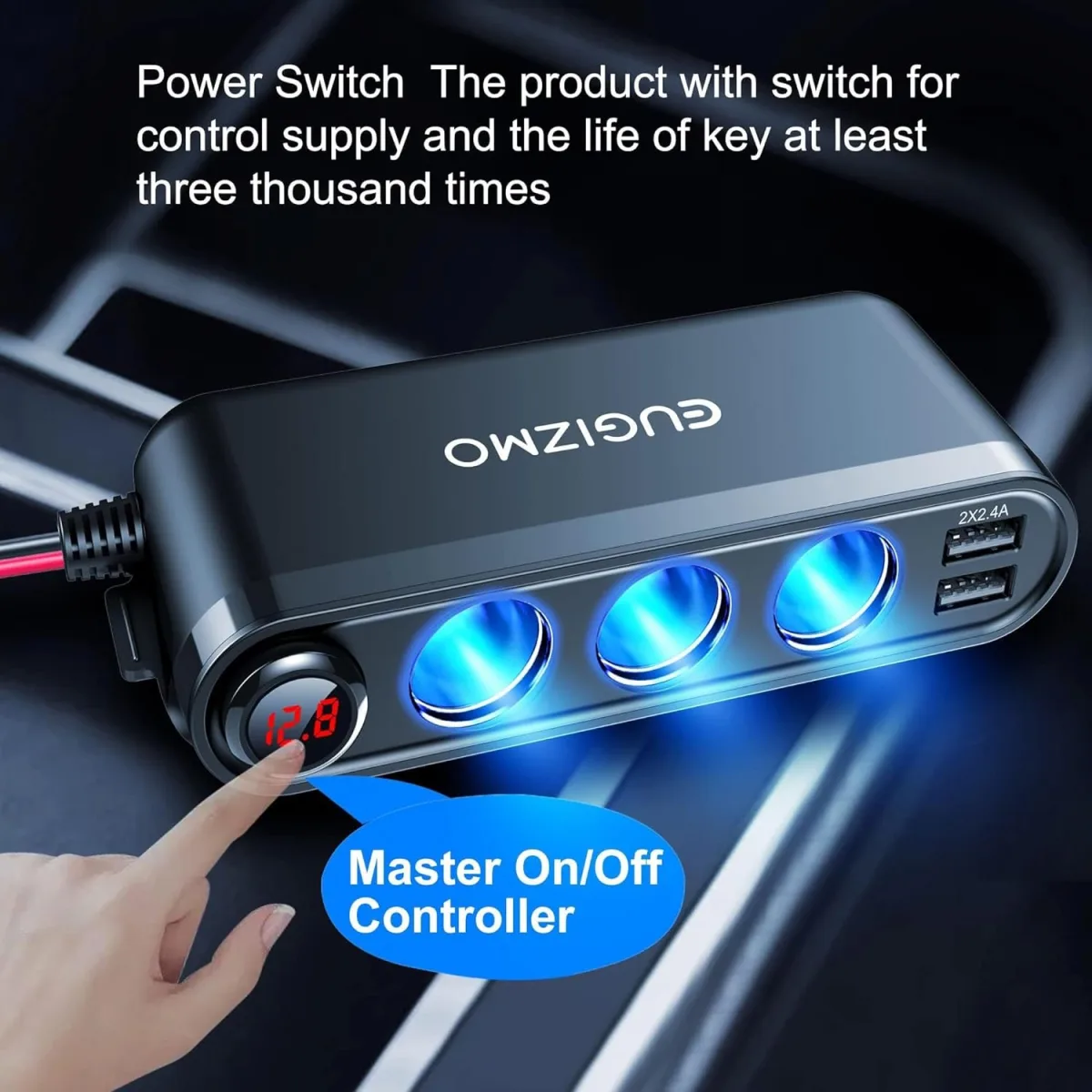
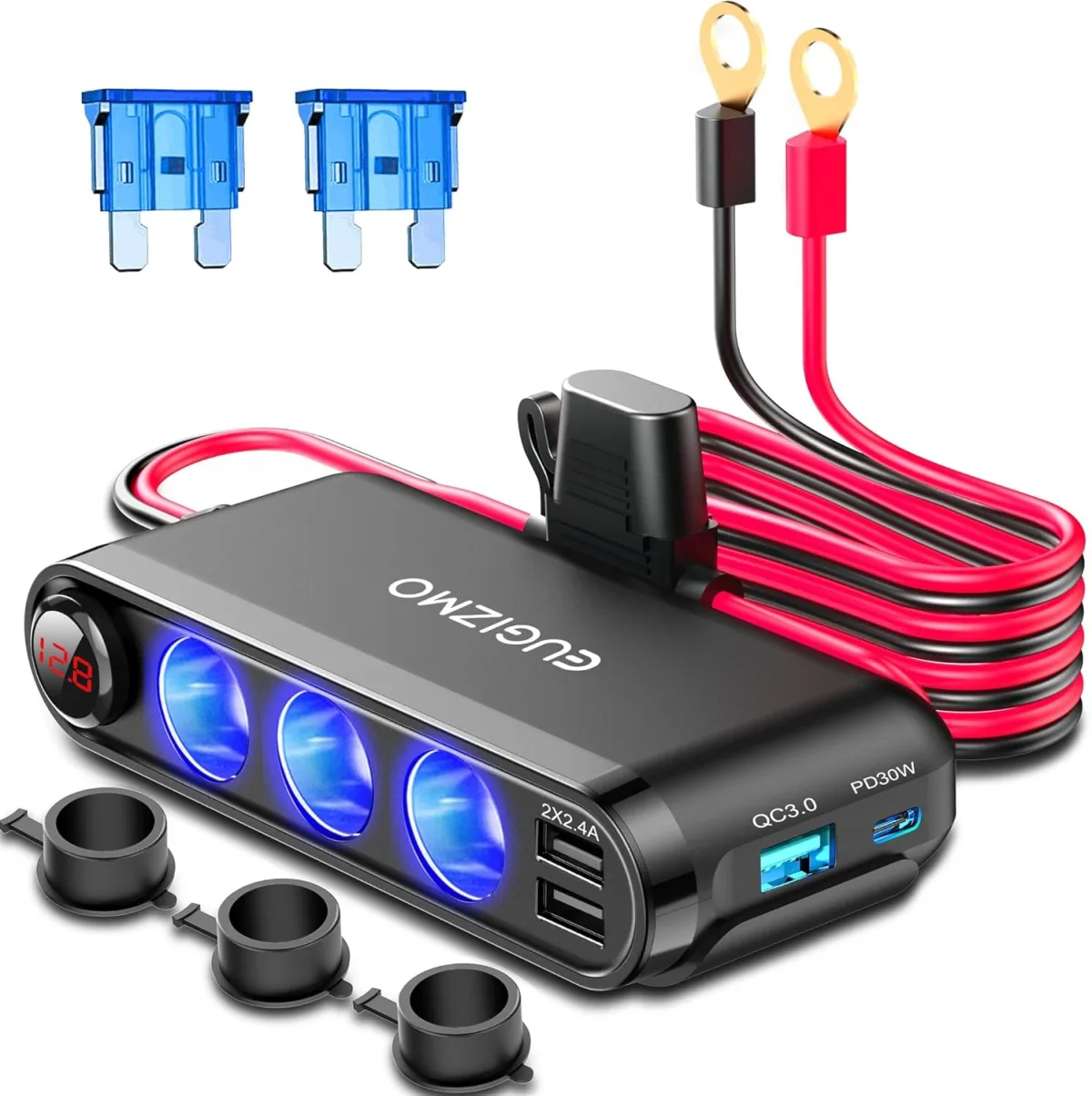
When the package arrived, I was pleased to see the build quality felt decent for the price. The ring terminals are sized correctly for standard motorcycle battery bolts, and the wiring felt thick enough to handle the 12V load without getting hot. Installation was a total breeze. It literally took me about ten minutes to undo the battery cover, bolt the ring terminals onto the battery posts, and route the cable to a place where I could easily reach it.
One thing I noticed immediately was the weather cap. Since this is going to be exposed to the elements, the rubber cover is essential. It fits snugly, which gives me peace of mind when I’m caught in the rain. If you want to check today's price, you'll see it’s a very affordable way to add utility to your bike without spending a fortune at a dealership.
What I Liked
- Simplicity: It’s a direct connection. No need to tap into ignition wires or find switched power.
- Durability: After three weeks of riding, the connection remains solid. It hasn't rattled loose, and the casing shows no signs of brittleness.
- Versatility: Having a standard cigarette lighter socket means I can use a variety of adapters, including fast-charging USB-C blocks.
What Annoyed Me
It’s not all perfect, though. The length of the wire is just about right, but if you have a massive cruiser with a battery located far from the handlebars, you might find it a bit short. I had to get a little creative with my cable management to make sure it didn't interfere with the steering head. Also, since it’s a direct battery connection, it is always "live." You have to be careful not to leave a power-hungry adapter plugged in while the bike is parked for a few days, or you might find yourself with a dead battery.
Performance on the Road
I’ve used this to power a phone mount with a wireless charger, and it works flawlessly. Even on bumpy backroads, the connection hasn't cut out. I was worried about the weight of the phone charger pulling the socket out, but as long as you mount the socket base securely with a zip tie or bracket, it stays put.
I’ve seen some forum users complain about cheap sockets failing after a few months, but so far, this one seems to have a better internal spring mechanism than the ones I’ve bought at local auto parts stores. It holds the plug tight. If you’re curious about how it compares to other models, you can see what others paid and read their experiences in the reviews section.
Who Should Buy This
This is a great product for riders who have older bikes without native USB ports. It’s perfect for the DIY mechanic who wants a cheap, effective solution without messing with the bike's electrical system. If you take long road trips or use your phone for navigation, this is an essential upgrade.
Who Should Skip It
If you aren't comfortable remembering to unplug your devices, you might want to look for a unit that includes a relay or a power switch. Also, if your battery is tucked away in a very difficult spot to access, you might find the cable length frustrating.
Overall, for the money, I’m happy with how this turned out. It’s a low-risk, high-reward upgrade for any motorcycle owner looking to stay connected.