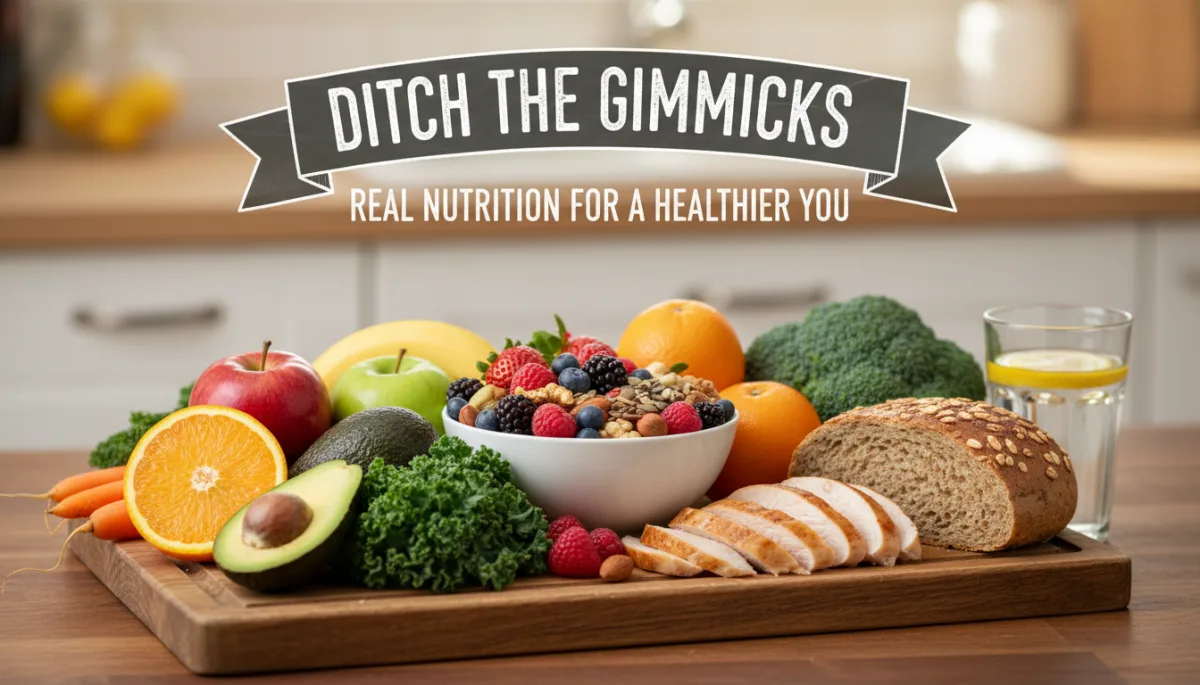
Enough with the Confusion: It's Time for Real Nutrition
Walk into any bookstore or scroll through social media, and you'll drown in a sea of conflicting dietary advice. One guru swears by keto, another champions veganism, and a third insists you should only eat what our hunter-gatherer ancestors did. It's enough to make your head spin, isn't it? As someone who's covered health and wellness for decades, I'm here to tell you a fundamental truth: most of that noise is just that—noise. True, lasting health doesn't come from deprivation or trendy, restrictive plans. It comes from a consistent, common-sense approach to nutrition rooted in real food.
We’ve become a society obsessed with quick fixes, magical pills, and the latest celebrity diet. We fall for the allure of shedding ten pounds in a week, only to regain it with interest, feeling more frustrated and defeated than before. This isn't just ineffective; it's damaging, both to our physical health and our relationship with food. We've lost sight of the simple, profound power of eating well. It’s time we reclaim it.
The Problem with Chasing Fads
Think about the sheer number of diets that have come and gone over the past few decades: the cabbage soup diet, Atkins, Paleo, Whole30, intermittent fasting, Mediterranean, plant-based, raw food – the list stretches on endlessly. While some of these approaches hold valid principles, many morph into extreme, unsustainable lifestyles that leave people feeling deprived, anxious, and often, nutritionally deficient. They create an "us vs. them" mentality, demonizing entire food groups and fostering a fear of eating.
Take, for instance, the recent surge in highly restrictive low-carb diets. While cutting down on refined sugars and processed grains is undeniably beneficial, completely eliminating healthy carbohydrates like whole grains, fruits, and starchy vegetables can rob your body of essential fiber, vitamins, and minerals. Our bodies thrive on a diverse array of nutrients, and when we cut too much out, we inevitably create imbalances. The goal isn't to be perfect; it's to be consistent and balanced.
Back to Basics: The Power of Whole Foods
Here's the bedrock principle, the undeniable truth that stands firm regardless of the latest diet book: prioritize whole, unprocessed foods. This isn't groundbreaking news, I know, but its simplicity is its strength. Your grandmother probably knew this, and science continues to validate it. When you build your diet around foods as close to their natural state as possible, you’re giving your body the fuel it truly understands and needs.
What does this look like in practice? It means choosing an apple over apple juice, brown rice over white bread, and grilled chicken over a highly processed chicken nugget. It’s about reading ingredient labels and opting for items with five ingredients or less, ingredients you can actually pronounce. This shift naturally reduces your intake of added sugars, unhealthy fats, and artificial additives that contribute to inflammation, energy crashes, and a host of chronic diseases. The data is clear: countries where people consume diets rich in whole, unprocessed foods consistently show lower rates of obesity, heart disease, and type 2 diabetes.
Actionable Nutrition Tips for a Healthier You
So, how do you translate this philosophy into your daily life without feeling overwhelmed? It's simpler than you think. Focus on these pillars:
- Embrace Protein at Every Meal: Protein keeps you feeling full, stabilizes blood sugar, and supports muscle health. Think lean meats, fish, eggs, legumes, nuts, seeds, and dairy or plant-based alternatives. A breakfast with eggs and avocado will power you through the morning far better than a sugary donut.
- Load Up on Fiber-Rich Produce: Fruits and vegetables are your nutritional superheroes. They're packed with vitamins, minerals, antioxidants, and crucial fiber. Fiber aids digestion, helps regulate blood sugar, and promotes satiety. Aim for a rainbow of colors on your plate; each color signifies different beneficial compounds.
- Don't Fear Healthy Fats: Healthy fats are essential for hormone production, nutrient absorption, and brain health. Incorporate avocados, nuts, seeds, olive oil, and fatty fish like salmon. They provide sustained energy and make meals more satisfying.
- Hydrate, Hydrate, Hydrate: Water is often overlooked but plays a vital role in virtually every bodily function. Skip sugary drinks and make water your primary beverage. Keep a reusable water bottle handy and sip throughout the day.
- Choose Complex Carbohydrates: While I advocate reducing refined carbs, your body needs carbohydrates for energy. Opt for whole grains like oats, quinoa, brown rice, whole-wheat bread, and starchy vegetables like sweet potatoes. These provide sustained energy and fiber.
Mindful Eating and Consistency Over Perfection
Beyond the "what" of eating, we need to address the "how." Slow down. Savor your food. Pay attention to your body's hunger and fullness cues. We often eat distractedly, scarfing down meals in front of screens, missing the signals our bodies send. Mindful eating helps you appreciate your food and prevents overeating.
And here's a crucial point: consistency beats perfection every single time. You don't need to be a saint. Acknowledge that you'll have off days, celebratory meals, or moments where convenience wins. That's perfectly human. One indulgent meal won't derail your health journey, just as one salad won't make you instantly healthy. It's the cumulative effect of your daily choices that truly matters. Get back on track at your next meal, without guilt or self-punishment.
Cut Through the Noise, Trust Your Body
We've created an unnecessarily complicated narrative around food. Our bodies are remarkably intelligent; they tell us what they need if only we listen. So, ignore the siren call of extreme diets promising miracles. They rarely deliver on their promises, and they often leave you feeling worse off than when you started.
Instead, invest in your long-term health by embracing the simple, powerful truth of whole foods. Cook more at home. Experiment with new vegetables. Enjoy your meals with loved ones. It isn't just about weight loss; it's about energy, vitality, mental clarity, and a robust immune system. It's about living a fuller, healthier life. Isn't that what we all truly want?