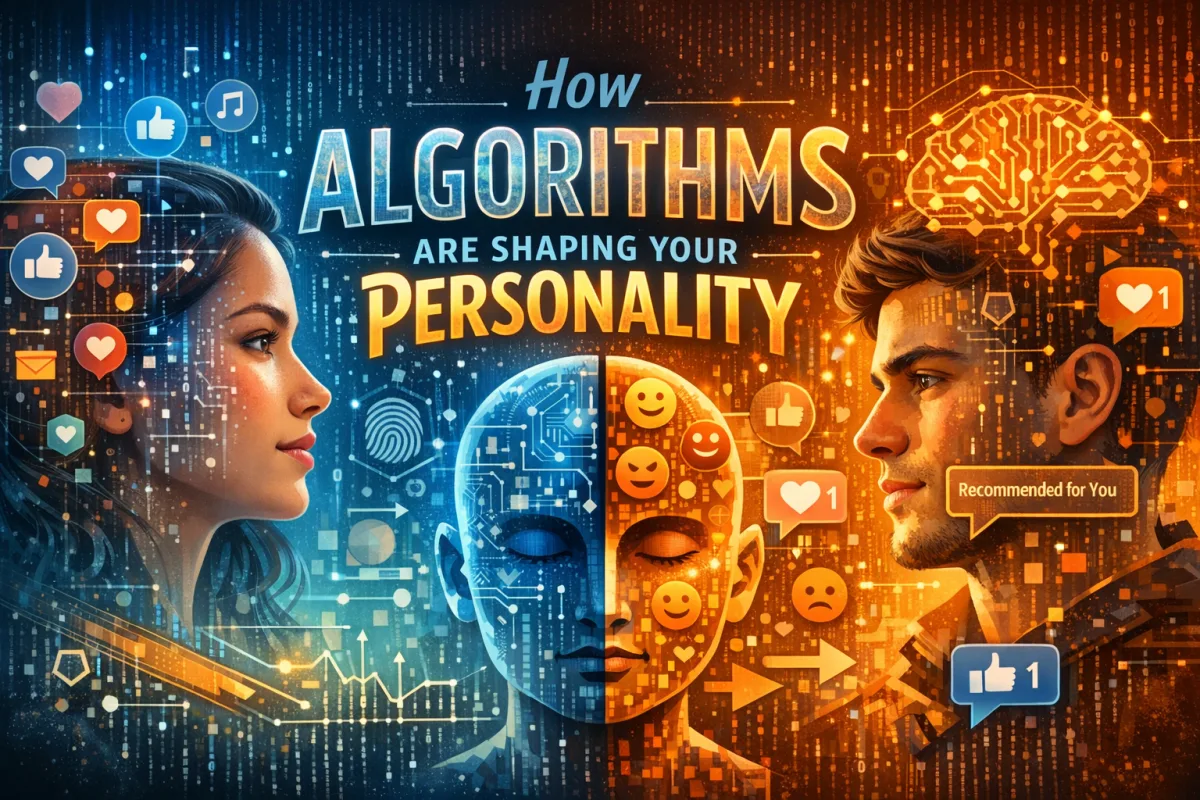
You scroll, you click, you like. Every interaction you make online, every piece of content you consume, isn't just a fleeting moment; it's data. And that data feeds powerful algorithms designed to understand and predict you. But here's the kicker: these algorithms aren't just reflecting your preferences back at you. They're actively influencing, and in some profound ways, shaping your personality. It's a subtle, pervasive force, operating beneath the surface of your digital life, meticulously tailoring your world and, by extension, altering who you become.
The Algorithmic Mirror: Reflecting and Reinforcing Who You Are
Think of your digital experience as a highly personalized mirror. Platforms like TikTok, Instagram, and YouTube employ sophisticated algorithms that learn from your past behavior. They track what videos you watch to completion, what posts you linger on, what ads you click. This isn't just about showing you more of what you already enjoy; it's about creating a feedback loop that reinforces existing facets of your personality.
If you show an interest in fitness, you'll see more fitness content. If you engage with political discussions from a certain viewpoint, that viewpoint will dominate your feed. This constant affirmation of your current interests and beliefs can solidify them, making them feel more central to your identity. You might start to define yourself more strongly by these digitally reinforced traits, simply because they're always in your face.
This process amplifies confirmation bias. You're less likely to encounter dissenting opinions or alternative lifestyles when the algorithm is so effective at filtering them out. It's a comforting, albeit narrow, world it builds for you, reinforcing your current self rather than challenging you to explore new dimensions.
Beyond Preferences: How Algorithms Are Shaping Your Personality Traits
The impact of algorithms extends far beyond simply showing you what you like; they subtly influence the development, or erosion, of core personality traits. Consider traits like openness to experience, conscientiousness, extraversion, agreeableness, and neuroticism – often called the Big Five. Our digital diets can nudge these traits in specific directions without us even realizing it.
For instance, constant exposure to highly curated, often idealized, lives on social media can heighten neuroticism, manifesting as increased anxiety, self-doubt, or envy. You might find yourself more prone to comparison, feeling inadequate when juxtaposed with the seemingly perfect lives presented online. This isn't a minor side effect; it's a constant, low-level stressor that can genuinely alter your emotional landscape over time.
Conversely, the digital world's penchant for extreme content, often prioritized by engagement algorithms, can make you less agreeable. If your feed constantly serves up outrage-inducing stories or polarizing debates, you might become more cynical, more confrontational, and less inclined to seek common ground in real-world interactions. The internet's incentive structure for strong reactions cultivates a personality that's always ready for a fight, rather than a conversation.
The Echo Chamber Effect: When Your World Shrinks
One of the most profound ways algorithms are shaping your personality is through the creation of echo chambers and filter bubbles. These aren't just about what news you consume; they dictate the range of ideas, values, and even humor you encounter. When algorithms prioritize content that aligns with your existing views, they effectively shield you from differing perspectives. A 2018 study by researchers at Stanford and NYU, for instance, showed how partisan news consumption is heavily influenced by algorithmic recommendations, leading to more extreme political views.
This constant reinforcement of a particular worldview can diminish your openness to experience and reduce your capacity for empathy towards those outside your digital bubble. You might find yourself less tolerant of ambiguity, more rigid in your beliefs, and quicker to dismiss opposing viewpoints. How can you develop a nuanced understanding of the world when the algorithm only shows you one side of it?
The lack of exposure to diverse ideas doesn't just impact your political leanings; it shapes your capacity for critical thinking and your ability to engage constructively with difference. Your personality might become less adaptable, less curious, and more entrenched.
The Gamification of Self: Seeking Validation Online
Social media platforms have mastered the art of gamification. Likes, comments, shares, and follower counts act as digital rewards, triggering dopamine hits in our brains. Algorithms are designed to maximize this engagement, creating an environment where our sense of self can become inextricably linked to external validation.
This pursuit of digital approval can profoundly shape your personality, pushing you towards behaviors that garner more attention. You might find yourself curating a version of yourself online that isn't entirely authentic, constantly performing for an unseen audience. This can lead to a divergence between your online persona and your true self, creating internal conflict and potentially eroding your self-esteem when digital validation falls short.
The pressure to maintain a certain image, to post consistently, or to chase viral trends can make you more anxious, less spontaneous, and overly concerned with how others perceive you. Your personality begins to adapt to the demands of the platform, prioritizing visibility and popularity over genuine connection and self-acceptance.
Reclaiming Your Authentic Self: What This Means for You
Understanding how algorithms are shaping your personality isn't about fear-mongering; it's about empowerment. You have agency in this digital landscape. Recognizing the subtle shifts these systems induce is the first step toward reclaiming your authentic self and consciously cultivating the personality traits you value.
Here are some practical steps you can take:
- Diversify your information diet: Actively seek out news sources, content creators, and perspectives that challenge your existing views. Don't rely solely on algorithmic recommendations.
- Curate your feed manually: Use features to unfollow, mute, or block accounts that negatively impact your mood or reinforce narrow viewpoints. Actively search for and follow diverse voices.
- Practice mindful consumption: Before you scroll, ask yourself why you're opening the app. Are you seeking connection, information, or just mindless distraction? Be aware of how content makes you feel.
- Engage critically: Don't accept everything at face value. Question the narratives presented, consider the source, and look for underlying biases.
- Take digital detoxes: Regularly step away from screens. Engage in real-world activities, conversations, and experiences. This helps recalibrate your perspective and strengthen your non-digital identity.
- Reflect on your values: Periodically assess whether your online behavior aligns with your core values and the kind of person you aspire to be.
These actions help you break free from algorithmic control, fostering a more robust and self-directed personality.
The Subtle Shift: From Consumer to Product of the Algorithm
The power of algorithms lies in their subtlety. They don't overtly tell you what to think or who to be. Instead, they gently nudge, prioritize, and filter, slowly but surely altering the landscape of your mind. We've moved beyond simply consuming digital content; in many ways, we've become a product of it, our personalities molded by the invisible hands of code.
Your digital environment is no longer a neutral space; it's a powerful force actively participating in your personal development. By understanding this dynamic, you gain the power to choose. You can either passively allow algorithms to define your reality and, consequently, your very essence, or you can consciously engage, asserting your will and shaping your own personality in an increasingly algorithm-driven world.