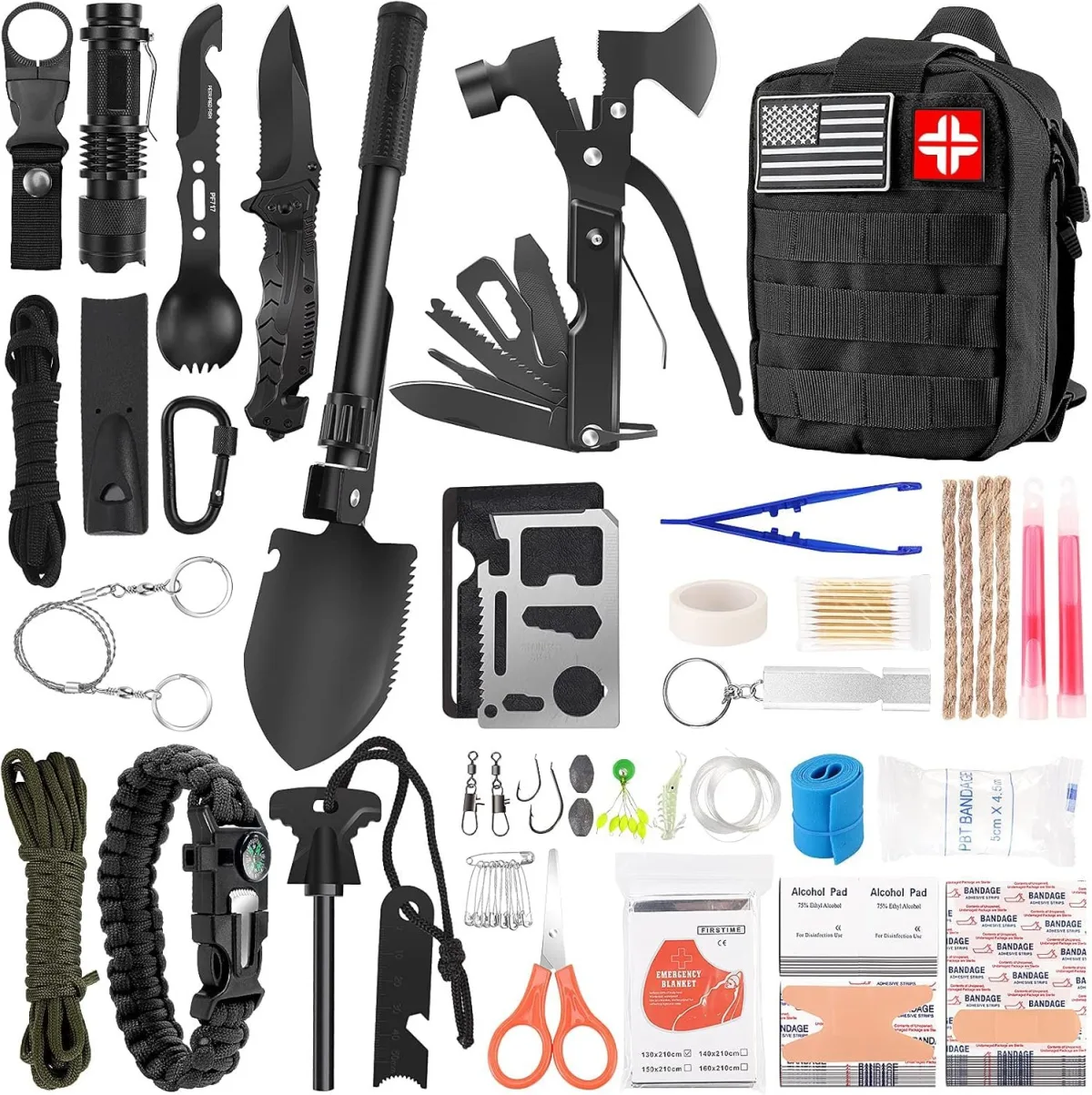
The smoke alarm blared, not with its usual low-battery chirp, but with an urgent, piercing wail that sliced through the pre-dawn quiet. For the Millers in Paradise, California, on November 8, 2018, that sound was the first brutal harbinger of the Camp Fire. They'd always considered themselves reasonably prepared, with a basic "go-bag" stashed in the garage, but in the chaos of a rapidly advancing inferno, their hastily assembled kit felt woefully inadequate. They grabbed what they could, leaving behind critical documents, essential medications, and even their pet's carrier, scrambling into a choked, smoke-filled exodus that would scar their lives forever. Their story isn't unique; it's a stark reminder that conventional wisdom around emergency preparedness often misses the mark, focusing on generic lists instead of tailored, dynamic strategies built on local risk assessment and psychological resilience.
- Your go-bag's effectiveness hinges on a precise assessment of your local natural disaster risks.
- Information, communication, and psychological preparedness are as critical as physical supplies.
- Regular maintenance and adaptation make your emergency kit a living, reliable resource, not a static burden.
- The "72-hour" rule is a minimum; plan for extended self-sufficiency far beyond initial aid arrival.
Beyond the Checklist: Why Your Local Risk Profile Dictates Everything
Most articles on emergency preparedness offer a one-size-fits-all list for your go-bag: water, food, first aid. But here's the thing. A family in Miami bracing for a hurricane faces fundamentally different challenges than one in San Francisco preparing for an earthquake or a rural Montana household planning for blizzards and wildfires. Generic checklists, while a starting point, can lead to dangerous oversights. Your go-bag isn't just a collection of items; it's a strategic response to your specific environment.
Consider the devastating impact of the 2021 Texas winter storm, Uri. Millions were left without power, heat, and safe drinking water for days, even weeks. While coastal residents often prioritize flood protection, Texans suddenly needed insulated clothing, alternative heating, and non-perishable food that didn't require cooking. This wasn't a standard "natural disaster" for the region, highlighting the need to think beyond the obvious threats. A truly effective emergency go-bag accounts for the unique probabilities and potential durations of local threats, from seismic activity to extreme weather events, and even infrastructure failures.
The first step in building a truly robust emergency go-bag involves a deep dive into your geographical location and its specific vulnerabilities. What's the historical data for your area? Is it prone to wildfires, hurricanes, floods, tornadoes, or earthquakes? Are you in a tsunami zone? Understanding these probabilities allows you to prioritize and customize, ensuring your kit isn't just full, but truly functional.
Mapping Your Personal Disaster Landscape
Start by consulting local emergency management agencies. Many provide detailed risk assessments. For example, California's Office of Emergency Services (CalOES) offers extensive guidance on earthquake and wildfire preparedness, complete with specific item recommendations. Similarly, coastal states like Florida publish detailed hurricane preparedness guides, emphasizing items like plywood, sandbags, and specific water purification methods relevant to saltwater intrusion. Your local utility companies can also offer insights into common infrastructure vulnerabilities in your area.
The Silent Threat: Preparing for Secondary Impacts
It's not just the primary disaster; it's the cascading failures that follow. A major earthquake might disrupt water lines, making purification tablets essential. A hurricane could lead to prolonged power outages, rendering electronic devices useless without alternative charging. The Camp Fire, for instance, didn't just burn homes; it destroyed power grids, communication towers, and roads, isolating communities. Your go-bag needs to anticipate these secondary impacts, ensuring you have redundancy for critical systems like communication, light, and water. This often means including items like hand-crank radios, solar chargers, and robust water filters capable of handling various contaminants.
The Unseen Essentials: Information, Communication, and Documentation
While physical supplies are critical, the most powerful items in your emergency go-bag might be intangible: information and the means to communicate. During Hurricane Katrina in 2005, the breakdown in communication was as devastating as the storm itself. Families were separated, unable to reach loved ones, exacerbating trauma and hindering rescue efforts. A comprehensive communication plan and readily accessible vital documents are non-negotiable components of any serious preparedness strategy.
Think about a scenario where cell towers are down, and the internet is inaccessible. How will you contact family members who evacuated to different locations? How will emergency services identify you if you're injured? This is where a pre-determined out-of-state contact person, physical maps, and copies of essential documents become life-savers. Don't underestimate the psychological relief of knowing you have a plan and the tools to execute it.
Dr. Samantha Reyes, a Disaster Psychologist at the University of California, Berkeley, highlighted in a 2023 study that "individuals who engage in proactive disaster preparedness, including assembling a go-bag and establishing communication plans, report significantly lower levels of acute stress and post-traumatic symptoms in the aftermath of a disaster, with a 40% reduction observed in those with comprehensive plans versus none." This suggests that the act of preparing itself builds a crucial psychological buffer.
Here's a breakdown of what to include:
- Critical Documents: Waterproof and sealed copies of identification (driver's license, passport), birth certificates, marriage licenses, insurance policies (home, auto, health), medical records, prescription lists, bank account numbers, and deeds/titles. Scan these and save them on an encrypted USB drive, too.
- Communication Devices: A fully charged power bank with appropriate cables for all devices, a hand-crank or solar-powered radio (NOAA weather alerts are vital), and a whistle for signaling. Consider a satellite phone if you're in a very remote area or have specialized communication needs.
- Cash: ATMs won't work without power. Keep small denominations – at least $100-$200 – in your bag for immediate needs.
- Local Maps: Paper maps of your immediate area and potential evacuation routes. GPS won't function without power or signal, and you won't always have time to navigate unfamiliar routes.
- Contact Information: A laminated list of emergency contacts, family members, doctors, and insurance agents, including out-of-state contacts. Don't rely solely on your phone.
Mark Johnson, former FEMA Regional Administrator for Region IX, often stresses that "during the critical initial hours of any major incident, government resources are stretched thin. Your ability to self-sustain and communicate isn't just about your survival; it frees up first responders to focus on those who truly cannot help themselves." This sentiment underscores the profound importance of self-sufficiency in the immediate aftermath of a disaster.
Water, Sustenance, and Sanitation: The Non-Negotiables
When infrastructure collapses, access to clean water and reliable food sources becomes the primary concern. The general rule of thumb is to have at least one gallon of water per person per day for a minimum of three days for drinking and sanitation. But wait, that's just a minimum. For events like the Texas winter storm or extended power outages in Puerto Rico post-Hurricane Maria (2017), water purification systems and a more substantial supply were absolutely essential for survival, often extending well beyond the initial 72 hours.
Storing enough bottled water for a family for several days is heavy and bulky. This is where strategic thinking comes in. Consider portable water filters (like Sawyer filters or LifeStraws) and purification tablets. These can make potentially unsafe water sources potable, dramatically reducing the weight and volume of your go-bag. Just ensure you know how to use them and have practiced. You don't want to be reading instructions for the first time in a crisis.
Food That Fuels Without Fuss
For food, prioritize non-perishable, high-energy, lightweight items that require no cooking or refrigeration. Emergency ration bars, dried fruit, nuts, granola bars, and ready-to-eat pouches are excellent choices. Rotate these items every six months to a year to ensure freshness. Avoid anything that will make you excessively thirsty or requires a lot of preparation. The goal is caloric intake and nutrition with minimal effort and resources.
The Centers for Disease Control and Prevention (CDC) reported in 2022 that access to safe water and sanitation is a leading challenge in disaster-affected areas, often directly correlating with outbreaks of waterborne diseases. This underscores the need for robust personal hygiene supplies.
Don't forget basic sanitation supplies: wet wipes, hand sanitizer, garbage bags (for waste and makeshift toilets), and feminine hygiene products. These not only maintain health but also provide a crucial sense of normalcy and dignity during extremely stressful times.
Shelter, Safety, and First Aid: Building Your Immediate Refuge
Depending on the disaster, your home might be damaged, inaccessible, or unsafe. Your emergency go-bag needs to provide immediate solutions for shelter, personal safety, and medical care. This isn't about luxury; it's about core survival in the elements, protecting yourself from injury, and addressing immediate health concerns. Think of the sudden evacuations during the 2018 Camp Fire, where thousands slept in cars or temporary shelters. Having even a basic emergency blanket or tarp could be the difference between hypothermia and a relatively stable night.
A compact, lightweight emergency shelter, such as a Mylar thermal blanket or a small tarp, can offer crucial protection from rain, wind, and cold. A small, durable tent is ideal if space and weight permit, especially if you anticipate prolonged outdoor stays. Beyond basic shelter, consider items for personal safety: a multi-tool with a knife, rope, duct tape, and work gloves. These are invaluable for small repairs, securing items, or navigating debris.
Your Personalized First-Aid Nexus
Your first-aid kit shouldn't just be a box of bandaids. It needs to be comprehensive and tailored to your family's specific medical needs. Beyond the standard bandages, antiseptic wipes, and pain relievers, include at least a week's supply of any prescription medications. Make sure to rotate these regularly to avoid expiration. Epinephrine auto-injectors, insulin, or specific allergy medications are non-negotiable if needed by anyone in your household.
Consider also including items for wound care, such as gauze rolls, medical tape, splinting materials, and an emergency trauma dressing. A compact first aid guide can also be incredibly helpful for unfamiliar injuries. According to the World Health Organization (WHO) in 2023, injuries account for a significant portion of immediate post-disaster morbidity and mortality, making a well-stocked and understood first-aid kit paramount.
Here's an internal link you might find useful for maintaining your pet's health: The Best Way to Transition Your Pets to a Healthier Diet, which could apply to long-term diet changes after an emergency.
Powering Through: Light, Heat, and Charging Solutions
A significant natural disaster often means a significant power outage. When the lights go out, everything changes. From navigating your home in the dark to charging your critical communication devices, reliable sources of light, heat, and power are paramount. The long-term power outages that plagued Puerto Rico after Hurricane Maria (2017), affecting some areas for nearly a year, vividly illustrate the necessity of independent power solutions.
Your emergency go-bag must contain redundant lighting sources. Flashlights are essential, but ensure they're LED for longer battery life and pack extra batteries. Headlamps are even better, freeing your hands for other tasks. Beyond flashlights, consider chemical light sticks for ambient light or safety markers, as they have no moving parts and a long shelf life. A reliable source of heat, especially in colder climates, can be critical. Emergency thermal blankets offer passive warmth, but a small, safe heat source like hand warmers can make a significant difference.
Charging your phone or radio is non-negotiable for information and communication. A high-capacity power bank (at least 20,000 mAh) is a good start, but it's only useful if it's charged. This is where solar chargers or hand-crank chargers become invaluable. While they might charge slower, they offer unlimited power as long as you have sun or can crank. Look for models that can charge multiple devices simultaneously or have built-in lights.
| Power Solution | Capacity (mAh/Watts) | Weight (approx.) | Cost Range (USD) | Charge Method | Ideal Use Case |
|---|---|---|---|---|---|
| High-Capacity Power Bank | 20,000-30,000 mAh | 1-1.5 lbs | $40-$80 | USB-C/Wall adapter | Short-term phone/tablet charging |
| Portable Solar Panel | 20-50 Watts | 2-5 lbs | $80-$200 | Sunlight | Extended outages, remote areas |
| Hand-Crank/Solar Radio | N/A (internal battery) | 0.5-1 lb | $25-$50 | Crank, Solar, AAA batteries | Emergency info, backup light/charge |
| AA/AAA Battery Pack | Varies by battery | Varies | $10-$30 (for pack) | N/A | Backup for flashlights, small devices |
| Small Gas Generator | 1000-2000 Watts | 30-50 lbs | $300-$800 | Gasoline | Home backup (not for go-bag) |
Source: Consumer Reports, TechRadar reviews, 2024.
Don't Forget Fido: Integrating Pets into Your Evacuation Bag Strategy
For many, pets aren't just animals; they're beloved family members. Yet, during emergencies, countless pets are left behind or separated from their owners because their needs weren't integrated into the go-bag strategy. The images of animals rescued from the aftermath of Hurricane Harvey in Houston (2017) highlighted this painful reality. If you have pets, their emergency go-bag needs to be as meticulously planned as your own.
Here's where it gets interesting. Many shelters cannot accept animals due to health and safety regulations. You'll need a plan for them. This means researching pet-friendly hotels or identifying friends/family outside your immediate disaster zone who can host your pets. Having a separate, clearly labeled pet go-bag makes this transition significantly smoother and reduces stress for both you and your animal companions.
What should go into a pet's emergency go-bag? Start with at least a 3-5 day supply of their regular food, stored in an airtight, waterproof container. Don't forget water and collapsible bowls. If your pet takes medication, include a minimum one-week supply, along with veterinary records and vaccination proof. A current photo of you with your pet can help prove ownership if you become separated. Beyond the basics, pack a sturdy leash, collar with ID tags, a comfortable carrier (labeled with your contact info), and some familiar toys or bedding to reduce stress. Waste bags are also essential for maintaining hygiene in temporary accommodations.
Just like human food and medications, pet supplies have expiration dates. Regularly check and rotate pet food, treats, and medications to ensure freshness and potency. A little proactive planning for your furry, feathered, or scaled friends can prevent heartbreaking separations and ensure their safety during a crisis.
Your Dynamic Go-Bag: Maintaining and Adapting Your Lifeline
A go-bag isn't a "set it and forget it" item. It's a dynamic, living system that requires regular attention. Leaving a go-bag untouched for years is akin to driving a car without ever checking the oil; it's a disaster waiting to happen. Foods expire, batteries lose their charge, medications become ineffective, and your family's needs change. The effectiveness of your emergency go-bag is directly proportional to its recency and relevance. So what gives?
Regular maintenance ensures that when an emergency strikes, your go-bag is truly ready. Think about your kids growing out of clothes, or a new prescription medication you've started taking. Your go-bag needs to reflect these changes. Moreover, as technology evolves, better and more compact emergency tools become available. Staying updated can improve your chances of survival and comfort during a prolonged evacuation.
Five Steps to Keep Your Go-Bag Ready for Anything
- Bi-Annual Inventory Check: Every six months (e.g., when you change clocks for daylight saving), take everything out of your bag. Check expiration dates on food, water, and medications. Test flashlights and radios.
- Rotate Perishables: Replace expired food and water. Consider using older items in your daily life and replenishing with fresh supplies to avoid waste.
- Update Documents: Ensure copies of IDs, insurance policies, and medical records are current. If you get a new passport or change addresses, update these immediately.
- Family Needs Assessment: Re-evaluate your family's needs. Has someone started a new medication? Have children outgrown their emergency clothing? Have you acquired a new pet?
- Practice and Review: Periodically review your family communication plan and evacuation routes. Even better, practice a "mini-evacuation" drill to identify any weak points in your plan or go-bag contents.
The Psychological Edge: How Preparedness Builds Resilience
Beyond the practical considerations of food, water, and shelter, creating an emergency go-bag plays a crucial, often overlooked, role in psychological preparedness. The act of planning, packing, and maintaining a go-bag instills a sense of control and agency in the face of unpredictable threats. This isn't just anecdotal; it's backed by research.
"Post-disaster studies consistently show that individuals and communities with higher levels of preparedness, even basic measures like a well-stocked emergency kit, exhibit significantly lower rates of anxiety, depression, and post-traumatic stress disorder (PTSD) compared to those who felt entirely unprepared." – Pew Research Center, 2021.
When chaos erupts, the ability to act decisively, knowing you have the immediate tools for survival, can mitigate the initial shock and panic. This isn't just about individual resilience; it radiates outward. A prepared individual can better assist family members, neighbors, and their community, fostering collective resilience. It builds confidence and reduces the feeling of helplessness, which is often one of the most debilitating psychological impacts of a disaster. The psychological peace of mind derived from knowing you've taken concrete steps to protect yourself and your loved ones is invaluable.
Here's another resource that might help you manage long-term planning: Why "Slow Fashion" Is Becoming More Affordable. While seemingly unrelated, it touches on sustainable choices and long-term value, concepts that resonate with building a durable, lasting go-bag.
The evidence is clear: a generic, neglected go-bag is largely a placebo. True preparedness transcends a simple list; it demands a personalized, dynamic strategy rooted in local risk assessment, psychological readiness, and continuous maintenance. While physical items are essential, the overarching data indicates that information, communication, and the mental framework of proactive planning are equally, if not more, critical for post-disaster survival and recovery. The investment isn't just in gear, but in a resilient mindset.
What This Means for You
Creating an emergency go-bag isn't just another chore on your to-do list; it's a vital investment in your safety, peace of mind, and ability to navigate unforeseen crises. Here are the practical implications:
- Personalize Your Preparedness: Ditch the generic list. Research your local natural disaster risks and tailor your go-bag contents to those specific threats, including secondary impacts like power outages or communication blackouts.
- Prioritize Information & Communication: Recognize that documents, communication devices, and pre-established family plans are as critical as food and water. They are the backbone of effective evacuation and reunification.
- Embrace Ongoing Maintenance: Your go-bag is a living entity. Implement a bi-annual review and rotation schedule to ensure all items are current, functional, and relevant to your family's evolving needs.
- Build Mental Fortitude: The act of preparedness itself is a powerful psychological tool. It fosters a sense of control and reduces anxiety, contributing significantly to your resilience during and after a disaster.
Frequently Asked Questions
What's the absolute minimum I should have in an emergency go-bag for a family of four?
For a family of four, the absolute minimum for a 72-hour period should include 12 gallons of water (1 gallon/person/day), non-perishable food for three days, a comprehensive first-aid kit with any necessary prescription medications, a hand-crank radio, flashlights with extra batteries, copies of vital documents, and a communication plan. This aligns with FEMA's baseline recommendations for immediate self-sufficiency.
How often should I check and update my emergency go-bag supplies?
You should check and update your emergency go-bag at least twice a year. A common practice, recommended by the American Red Cross, is to do it when you change your clocks for daylight saving time (spring forward and fall back). This ensures food and water haven't expired, batteries are fresh, and medications are within their use-by dates.
Are specific go-bags needed for different types of disasters, or can one universal bag suffice?
While a universal go-bag provides a solid foundation, a truly effective strategy involves customizing it based on your specific local risks. For instance, a wildfire go-bag might prioritize N95 masks and fire-resistant gloves, whereas a hurricane bag would emphasize waterproof containers and sandbags. Consider supplemental kits tailored to specific regional threats, as generic solutions often fall short when specialized needs arise.
What's one often-overlooked item that can make a huge difference in an emergency go-bag?
One often-overlooked item that can make a huge difference is a robust, encrypted USB drive containing scanned copies of all critical family documents, photos of family members (for identification if separated), and important contact information. This digital backup, alongside physical copies, provides redundancy and access to vital information even if physical documents are lost or damaged.