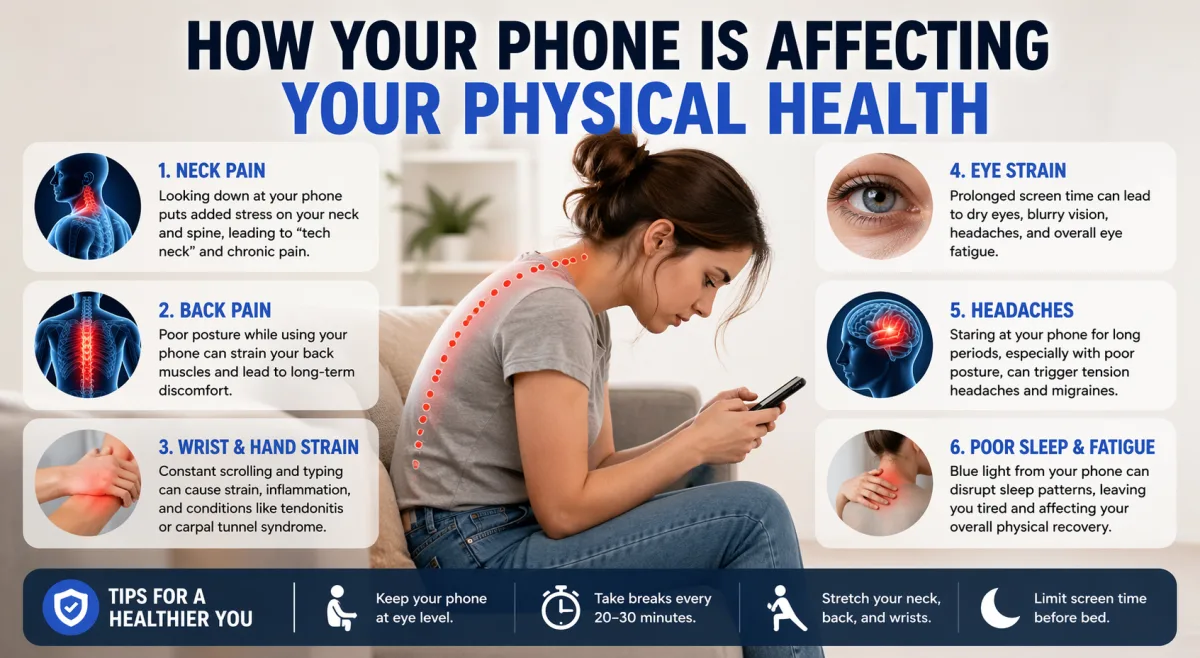
Our lives are inextricably linked to screens. From the moment we wake up to check emails on our phones, to working eight hours on a computer, and unwinding with a streaming service on a tablet, our eyes are constantly engaged with digital displays. This relentless exposure, however, comes at a cost. If you're experiencing dry eyes, blurred vision, or persistent headaches, you're likely feeling the effects of digital eye strain. It’s a modern epidemic, and understanding how to protect your eyesight in the age of digital screens isn't just important; it's essential for long-term visual health.
Understanding Digital Eye Strain: The Silent Epidemic Affecting Your Vision
Digital eye strain, also known as Computer Vision Syndrome (CVS), isn't a single problem but a group of eye and vision-related issues that result from prolonged computer, tablet, e-reader, and cell phone use. It's incredibly common. A 2016 Vision Council report found that nearly 60% of Americans experience symptoms of digital eye strain, a figure that has undoubtedly climbed higher since.
What causes it? Several factors contribute. When we focus on a screen, we tend to blink less frequently – sometimes by as much as half. This reduced blink rate means our eyes don't get the lubrication they need, leading to dryness and irritation. The glare from screens, poor lighting conditions, improper viewing distances, and uncorrected vision problems all exacerbate the issue.
Symptoms often include headaches, blurred vision, dry eyes, eye fatigue, neck and shoulder pain, and even difficulty refocusing between distances. It’s not just an inconvenience; these symptoms can impact productivity, comfort, and overall quality of life. Left unaddressed, chronic strain can contribute to persistent discomfort and potentially mask other underlying eye conditions.
The 20-20-20 Rule and Beyond: Simple Habits to Protect Your Eyesight
Combating digital eye strain starts with conscious habits. The most widely recommended strategy is the "20-20-20 Rule." It's simple, yet incredibly effective:
- Every 20 minutes: Take a break from your screen.
- Look at something 20 feet away: This allows your eye muscles to relax from constant near-focus.
- For at least 20 seconds: Give your eyes enough time to fully recalibrate.
But don't stop there. Integrate these additional practices into your daily routine:
- Maintain proper viewing distance: Your screen should be about an arm's length (20-28 inches) away from your eyes.
- Position your screen correctly: The top of your monitor should be at or slightly below eye level. This helps you look down slightly, which is more comfortable for your neck and keeps more of your eye covered by your eyelid, reducing dryness.
- Remember to blink actively: When you take a break, or even during work, consciously blink fully and slowly a few times. This helps spread tears evenly across your eyes.
- Take micro-breaks: Even a few seconds of looking away from your screen every few minutes can make a difference. Stand up, stretch, or glance out a window.
These small adjustments can significantly reduce the cumulative stress on your eyes throughout the day, helping you maintain comfort and clarity.
Optimizing Your Digital Environment to Safeguard Your Vision
Your physical workspace and screen settings play a critical role in preventing eye strain. It's not just about how you use your devices, but also how they're set up and how your environment supports them.
Blue Light Filters: Friend or Foe?
The conversation around blue light is complex. Digital screens emit blue light, which is a part of the visible light spectrum. While blue light itself isn't inherently bad – it's naturally present in sunlight and helps regulate our circadian rhythm – excessive exposure, especially in the evening, can disrupt sleep patterns.
The scientific community is still debating the direct damage blue light from screens causes to the retina. However, many people report increased comfort with blue light filtering. You've got options:
- Software filters: Features like Apple's Night Shift, Android's Night Light, or third-party apps like F.lux can automatically adjust your screen's color temperature to warmer tones after sunset, reducing blue light emission.
- Hardware filters: Screen protectors that block blue light or glasses with blue light filtering lenses are also popular choices. They can help reduce glare and improve visual comfort for some users.
While the long-term ocular damage from screen-emitted blue light remains an area of active research, managing your exposure, particularly before bed, is a sensible strategy for promoting better sleep and reducing potential eye fatigue.
Beyond blue light, consider these environmental factors:
- Adjust screen brightness and contrast: Your screen's brightness should match the ambient light in your room. If it's too bright, it's like staring into a light bulb; too dim, and you'll strain to see. Aim for comfortable contrast between text and background.
- Enlarge text size: Don't hesitate to increase the font size on your devices if you find yourself squinting. Your eyes shouldn't have to work harder than necessary.
- Minimize glare: Position your screen to avoid reflections from windows or overhead lighting. Use anti-glare screen filters if necessary. Matte screen finishes are often preferable to glossy ones for this reason.
- Optimize lighting: Avoid working in a dimly lit room with a bright screen, or under harsh overhead lights that create glare. Soft, indirect lighting is ideal.
- Ergonomics matter: A comfortable chair, proper desk height, and a monitor arm that allows for flexible positioning all contribute to overall comfort and reduce strain on your neck and shoulders, which can indirectly affect your eyes.
Beyond the Screen: Holistic Approaches to Eye Health
Protecting your eyesight isn't solely about managing screen time; it's about nurturing overall eye health. Your diet and lifestyle choices play a significant role in maintaining sharp vision and preventing age-related conditions.
Nutrition is key. Specific nutrients are vital for eye function and protection. These include:
- Omega-3 Fatty Acids: Found in fatty fish like salmon, tuna, and mackerel, as well as flaxseeds and walnuts. Omega-3s are crucial for retinal health and can help alleviate dry eye symptoms.
- Lutein and Zeaxanthin: Powerful antioxidants concentrated in the macula of your eye, they act as natural sunglasses, protecting against harmful blue light. Rich sources include leafy green vegetables (spinach, kale), corn, peas, broccoli, and egg yolks.
- Vitamins C and E: Antioxidants that protect eye cells from damage. Citrus fruits, berries, bell peppers, almonds, and sunflower seeds are great sources.
- Zinc: Helps vitamin A create melanin, a protective pigment in the eyes. Oysters, lean red meat, poultry, beans, and nuts contain zinc.
Don't underestimate the power of hydration, either. Drinking enough water helps maintain moisture levels throughout your body, including your eyes. Dehydration can exacerbate dry eye symptoms, making screen time even more uncomfortable.
Finally, make regular comprehensive eye exams a priority. An optometrist or ophthalmologist can detect early signs of eye conditions, assess your visual acuity, and ensure your prescription (if you have one) is up-to-date. They can also offer personalized advice on managing digital eye strain. For children, outdoor time is particularly important, with studies suggesting that increased exposure to natural light can help reduce the risk of myopia (nearsightedness).
What This Means For You: Taking Control of Your Eye Health
The digital age isn't going anywhere, and neither are our screens. What we can control, however, is how we interact with them and how proactively we care for our vision. This isn't about shaming screen use; it's about empowering you with the knowledge and tools to use technology responsibly, safeguarding your most precious sense.
You're probably reading this on a screen right now. Have you taken a break recently? Are your eyes feeling comfortable? Make these adjustments part of your daily rhythm. It doesn't require drastic changes, just consistent, mindful effort. Your future self, with clear, comfortable vision, will thank you.
Protecting your eyesight in the age of digital screens means adopting a multi-faceted approach. It combines smart screen habits, an optimized environment, and a commitment to overall well-being. By integrating the 20-20-20 rule, tweaking your settings, and prioritizing nutrient-rich foods and regular eye check-ups, you're not just reacting to digital strain; you're actively investing in your long-term visual health. Don't wait for discomfort to become chronic; start making these positive changes today.