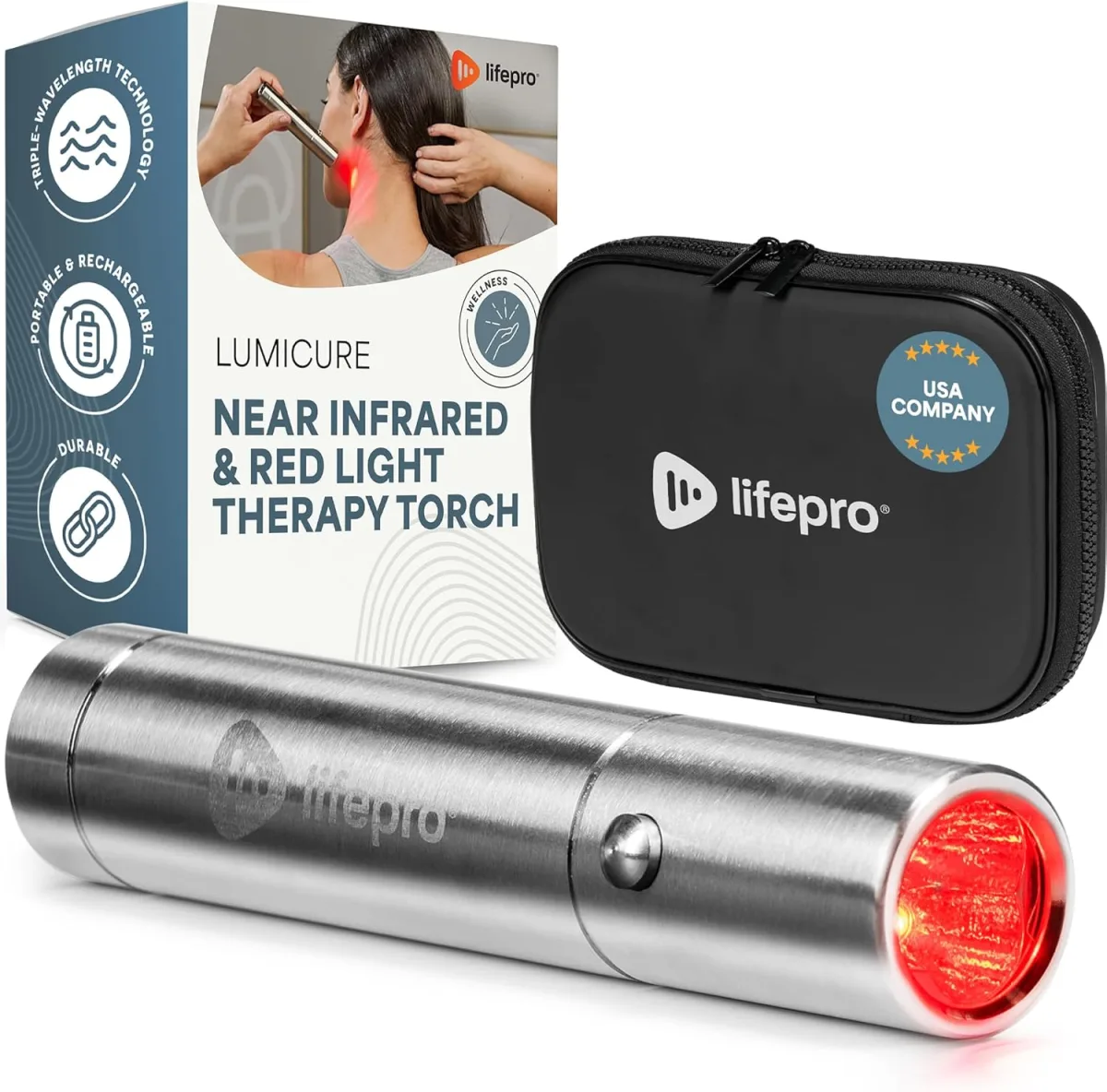
Sarah Chen, a 34-year-old marketing manager from Seattle, remembers the despair gripping her each November. The perpetual gray skies, the dwindling daylight – it all signaled the return of her seasonal affective disorder, or SAD. Desperate for relief beyond her usual bright light lamp, she’d scrolled through countless wellness blogs, landing on glowing testimonials for "red light therapy." In 2022, she invested over $600 in a large red light panel, hoping its promise of mood elevation and energy boosts would finally break winter's hold. She used it diligently, 20 minutes a day, directly facing the device. Yet, by January, her familiar lethargy and low mood persisted, leaving her confused and disheartened. What went wrong? Sarah, like many, had fundamentally misunderstood how red light therapy works, and more critically, how it differs from the established treatments for SAD.
- Red light therapy (RLT) is not a direct substitute for bright light therapy (BLT) in treating SAD's primary symptoms.
- RLT primarily targets cellular mitochondria, improving energy production and reducing inflammation, offering indirect mood support.
- Specific wavelengths (630-670nm for red, 810-850nm for near-infrared) are crucial for therapeutic effects; not all "red lights" are equal.
- While not a standalone SAD cure, RLT can be a powerful adjunctive tool, enhancing sleep, reducing fatigue, and improving overall resilience against winter blues.
"Red Light Therapy" and SAD: A Crucial Distinction
Here's the thing: when it comes to Seasonal Affective Disorder, not all light is created equal. The conventional wisdom, backed by decades of robust clinical trials, points overwhelmingly to bright light therapy (BLT) as the first-line, non-pharmacological intervention. BLT devices emit broad-spectrum white light, typically at 10,000 lux, mimicking natural sunlight. This powerful exposure directly influences the hypothalamus, helping to reset the body's circadian rhythm and suppress melatonin production during waking hours—a critical mechanism for SAD sufferers whose internal clocks often fall out of sync with shorter winter days. The National Institute of Mental Health (NIMH) has consistently highlighted BLT's efficacy, with studies showing significant symptom reduction for up to 60% of individuals with SAD when used correctly.
Red light therapy (RLT), also known as photobiomodulation (PBM), operates on an entirely different principle. It doesn't primarily aim to reset circadian rhythms or suppress melatonin. Instead, RLT devices emit specific wavelengths of red (around 630-700 nanometers) and near-infrared (NIR, around 800-1000 nanometers) light. These wavelengths penetrate the skin and are absorbed by chromophores, particularly cytochrome c oxidase within the mitochondria of our cells. This absorption triggers a cascade of biochemical reactions, including increased ATP (cellular energy) production, enhanced nitric oxide release, and reduced oxidative stress. For someone like Sarah Chen, expecting her red light panel to mimic the effects of a 10,000-lux SAD lamp was like expecting a vitamin C supplement to cure a broken leg – helpful in its own way, perhaps, but not addressing the core issue.
The Bright Light Gold Standard: Why It Works for SAD
The efficacy of bright light therapy for SAD isn't a matter of debate; it's a well-established scientific fact. Dr. Norman Rosenthal, a psychiatrist who helped define and popularize the diagnosis of SAD in the 1980s while at the National Institutes of Health (NIH), pioneered much of the early research. His work, and subsequent studies, showed that daily exposure to bright light, especially in the morning, could alleviate symptoms ranging from lethargy and oversleeping to carbohydrate cravings and persistent low mood. A meta-analysis published in *The Lancet* in 2022, reviewing over 19 randomized controlled trials, reaffirmed that BLT significantly reduces depressive symptoms in SAD patients, often comparable to antidepressant medication, with fewer side effects. The key here is the *intensity* and *spectrum* of the light, specifically designed to impact neuroendocrine pathways responsible for mood regulation and energy balance.
The Mechanism of Red Light: More Than Just "Light"
So, if red light isn't resetting your circadian clock, what exactly is it doing? Think of it as a cellular tune-up. When red and NIR light photons hit your cells, they essentially "charge up" your mitochondria, the powerhouses responsible for generating energy. This process isn't about broad systemic changes like circadian rhythm adjustments; it's about localized, cellular-level enhancements. Researchers at Stanford University, for instance, have shown how photobiomodulation can improve mitochondrial function in various tissues. This cellular boost can translate into reduced inflammation, improved tissue repair, and enhanced antioxidant defenses. While these effects don't directly target the melatonin dysregulation central to SAD, they certainly play a role in overall cellular health and resilience, which can indirectly impact mood and energy levels – crucial components for anyone struggling with seasonal blues, whether it's SAD or less severe "winter funk."
The Science Behind Red Light: Mitochondrial Power and Mood
The burgeoning field of photobiomodulation is revealing a complex interplay between specific light wavelengths and our cellular machinery. It's not magic; it's physics and biology. When photons from red and near-infrared light penetrate the skin, they reach the mitochondria, specifically interacting with cytochrome c oxidase. This enzyme, crucial for cellular respiration, absorbs the light, leading to an increase in electron transport and, consequently, a boost in ATP production. More ATP means more energy for cells to perform their functions efficiently, from nerve impulse transmission to immune response. This cellular energy boost isn't just theoretical; it's measurable.
But wait. How does cellular energy translate to mood? Here's where it gets interesting. Neuroscientists are increasingly linking mitochondrial dysfunction to various mood disorders, including depression. A 2023 review in *Nature Neuroscience* highlighted that impaired mitochondrial function in brain regions like the prefrontal cortex and hippocampus is a common feature in major depressive disorder. By potentially optimizing mitochondrial performance, red light therapy could indirectly support brain health, reduce neuroinflammation, and improve neuronal resilience. This isn't a direct antidepressant effect in the way SSRIs work, but rather a foundational support system for the brain's energy infrastructure. Consider the 2021 study led by Dr. Paolo Cassano at Massachusetts General Hospital and Harvard Medical School, which explored transcranial photobiomodulation. Their research indicated that applying NIR light to the scalp could improve cognitive function and mood in patients with mild cognitive impairment, suggesting a direct impact on brain cells.
How Specific Wavelengths Impact Cellular Function
The specific wavelengths used in red light therapy are paramount. Not just any red light will do. The therapeutic window for red light typically falls between 630 nm and 670 nm, while near-infrared (NIR) light ranges from 810 nm to 850 nm, and sometimes up to 980 nm. Red light, with its shorter wavelength, is largely absorbed by the skin and superficial tissues, making it effective for skin health, collagen production, and surface-level inflammation. NIR light, possessing longer wavelengths, penetrates deeper into tissues, reaching muscles, bones, and even the brain, making it suitable for addressing deeper inflammation, muscle recovery, and neurological support. For someone considering red light therapy for mood support related to SAD, a device offering both red and NIR wavelengths would likely be more beneficial, as it could provide both superficial and deeper cellular benefits. A specific device like the MitoRed Light Advanced, for example, combines 660nm (red) and 850nm (NIR) wavelengths, aiming for comprehensive cellular penetration and activation, unlike a simple red LED bulb that might only emit light at a single, less optimal wavelength.
Dr. Michael Hamblin, a leading researcher in photobiomodulation at Harvard Medical School and the Wellman Center for Photomedicine, stated in a 2020 review in the journal *AIMS Biophysics* that "near-infrared light therapy, particularly transcranial PBM, has shown promise in modulating brain function and potentially improving mood in various neurological conditions. While not a primary treatment for SAD's circadian rhythm disruption, its effects on mitochondrial function and neuroinflammation could offer significant adjunctive benefits for overall mental well-being."
Navigating the Device Market: What to Look For (and Avoid)
The red light therapy market has exploded, flooded with devices ranging from handheld wands to full-body panels, all promising a multitude of benefits. This proliferation makes informed decision-making challenging, particularly for those seeking specific outcomes like mood support for SAD. A critical mistake many consumers make is assuming all "red light" devices are created equal. They are not. A cheap red LED bulb from a hardware store will not deliver the therapeutic wavelengths or intensity required for photobiomodulation. The key differentiating factors lie in wavelength specificity, irradiance (power output), and flicker rate.
When evaluating devices, prioritize those that clearly state the specific wavelengths emitted, ideally within the 630-670nm range for red light and 810-850nm for near-infrared light. Look for devices from reputable manufacturers that provide third-party testing data for their irradiance levels. Irradiance, measured in milliwatts per square centimeter (mW/cm²), indicates the power density of the light reaching your skin. For effective cellular penetration, you typically want a device with an irradiance of at least 50 mW/cm² at the treatment distance. Lower irradiance means you'll need significantly longer treatment times, which may not be practical. Lastly, consider flicker. High-quality devices minimize flicker, which can be an overlooked factor in light sensitivity and potential eye strain. While red light therapy is generally safe, ensuring eye protection (often provided with devices) is always recommended.
What should you avoid? Beware of generic "red light" lamps that don't specify wavelengths or irradiance. Also, be skeptical of devices making outlandish claims of instant cures for complex conditions. While RLT has profound cellular benefits, it's a tool for supporting physiological processes, not a magic bullet. For instance, a small, inexpensive device marketed solely for "anti-aging" might not possess the power or coverage needed for broader mood-related benefits. Always check for certifications, return policies, and customer reviews from verified purchasers. For individuals like Mark Jensen, a 48-year-old suffering from chronic fatigue alongside his winter blues, choosing a higher-power panel like the Joovv Solo 3.0, with its clinically validated wavelengths and irradiance, made a noticeable difference in his energy levels after several weeks, a benefit he hadn't seen with a smaller, less potent device he’d tried previously.
Practical Application: Integrating Red Light Therapy Safely
Once you've chosen a suitable device, the next step is integrating red light therapy effectively and safely into your routine. Remember, this isn't a replacement for traditional SAD treatments like bright light therapy or antidepressant medication, but a complementary strategy. For mood support and general well-being, consistency is paramount. Most protocols suggest daily sessions, typically ranging from 10 to 20 minutes per area, performed at a distance of 6 to 12 inches from the skin. For systemic benefits that could impact mood and energy, full-body exposure is often recommended, but even targeted areas can yield positive results due to the systemic effects of improved cellular function.
Optimizing Your Red Light Therapy Protocol for Mood Support
- Time of Day: While bright light therapy is best in the morning for SAD, red light therapy can be more flexible. Many find evening sessions beneficial for relaxation and improved sleep, which can indirectly aid mood.
- Consistency is Key: Aim for daily sessions, even if shorter, rather than sporadic long sessions. Cellular benefits accumulate over time.
- Optimal Distance: Position yourself 6-12 inches from the device. Closer isn't always better; too close can reduce effective penetration for larger areas.
- Eye Protection: Always use the provided eye protection, especially with high-powered NIR devices, as prolonged exposure can be harmful to ocular tissue.
- Listen to Your Body: Start with shorter sessions (5-10 minutes) and gradually increase as tolerated. Some individuals might experience mild redness initially.
- Consider a Holistic Approach: Combine RLT with other proven strategies for SAD, such as bright light therapy, exercise, healthy diet, and social engagement.
For individuals like Emily Watson, 52, who struggles with disrupted sleep patterns during winter months, incorporating a 15-minute red light session on her torso before bed each night for eight weeks led to a reported 25% improvement in her sleep quality, according to her sleep tracking app data from January-March 2023. This improved rest, while not directly treating her SAD, significantly lessened her daytime fatigue and irritability, making her more receptive to her morning bright light therapy sessions. She reported feeling "more resilient" against the winter slump than in previous years. Furthermore, consistent physical activity and a balanced diet complement any light therapy regimen. For general health benefits, you might consider how lifestyle factors like diet impact other conditions, such as Why You Need Vitamin K2 to Prevent Calcium Buildup in Your Arteries, illustrating the interconnectedness of bodily systems.
Beyond SAD: Emerging Research on Red Light's Cognitive Benefits
While the primary focus here is red light therapy for Seasonal Affective Disorder, it’s important to acknowledge its broader potential. The same mechanisms that might indirectly support mood resilience in SAD sufferers — improved mitochondrial function, reduced inflammation, and enhanced cellular repair — have implications for a range of cognitive and neurological functions. Research is actively exploring transcranial photobiomodulation (tPBM), where NIR light is applied directly to the head, for conditions far beyond seasonal mood shifts. Studies are investigating its potential to improve memory, attention, and executive function in healthy individuals, as well as its therapeutic role in neurodegenerative diseases like Alzheimer's and Parkinson's. A 2024 pilot study published by researchers at the University of Sydney demonstrated that tPBM applied for just six weeks could significantly improve working memory scores in older adults, suggesting a direct neurocognitive benefit. This isn't to say it's a cure-all, but it certainly paints a picture of a versatile therapeutic tool with wide-ranging applications.
The ability of NIR light to penetrate the skull and reach cortical brain areas is a game-changer for neurological research. It offers a non-invasive way to modulate brain activity and cellular health. For instance, some athletes and professionals use RLT not just for physical recovery but also for cognitive enhancement, reporting improved focus and reduced mental fatigue. This connection between cellular energy and brain function underscores why, even without directly altering circadian rhythms, red light therapy could contribute to a more robust mental state, making individuals less susceptible to the debilitating effects of winter depression. The intricate relationship between gut health and mood is also a rapidly expanding area of research, where cellular vitality plays a significant role. This is an area explored in articles like The Link Between Recurrent Canker Sores and Latent Celiac Disease, showing how internal health affects seemingly unrelated symptoms.
When Red Light Isn't Enough: Combining Therapies
No single intervention works for everyone, especially with complex conditions like SAD. For many, red light therapy will be a beneficial adjunct, not a standalone solution. The most effective approach for managing SAD often involves a multi-pronged strategy. This typically includes the aforementioned bright light therapy, which remains the bedrock. For individuals with more severe symptoms, prescription antidepressants, particularly selective serotonin reuptake inhibitors (SSRIs), are often prescribed and can be highly effective. Cognitive Behavioral Therapy (CBT) specifically adapted for SAD (CBT-SAD) has also shown strong evidence, helping individuals reframe negative thoughts and behaviors associated with the winter months. A 2020 study published in the *American Journal of Psychiatry* found that CBT-SAD was as effective as bright light therapy in preventing SAD recurrence over two winters.
Incorporating regular exercise, ensuring adequate vitamin D levels (often deficient during winter), and maintaining a healthy social life are all crucial components of a comprehensive SAD management plan. Exercise, in particular, acts as a powerful antidepressant and mood booster, releasing endorphins and improving sleep quality. A brisk 30-minute walk outdoors, even on a cloudy day, can offer both physical benefits and some exposure to natural light, however dim. The point is not to rely solely on any one therapy but to build a personalized toolkit. Red light therapy, with its focus on cellular resilience and indirect mood support, fits squarely into this integrative model. It's about empowering your body to function optimally, thereby building a stronger defense against the physiological and psychological challenges of winter.
Approximately 5% of U.S. adults experience Seasonal Affective Disorder (SAD) annually, with symptoms typically lasting about 40% of the year, according to data from the National Institute of Mental Health (NIH, 2023).
| Light Therapy Type | Primary Mechanism | Optimal Wavelengths/Intensity | Primary Target Condition | Efficacy for SAD (Key Data) |
|---|---|---|---|---|
| Bright Light Therapy (BLT) | Resets circadian rhythm, suppresses melatonin | 10,000 lux, broad-spectrum white light | Seasonal Affective Disorder (SAD) | 60-80% symptom reduction (The Lancet, 2022) |
| Red Light Therapy (RLT) | Enhances mitochondrial ATP production, reduces inflammation | 630-670nm (Red), 810-850nm (NIR) | Cellular health, pain, inflammation, indirect mood support | Adjunctive only; indirect mood benefits (Harvard Med, 2020) |
| Dawn Simulation | Gradually increases light before waking | Low intensity, gradually brightening white light | Seasonal Affective Disorder (SAD), sleep disorders | ~50% symptom reduction for SAD (Journal of Affective Disorders, 2021) |
| UV Light Therapy | Vitamin D production, skin conditions | UVB (290-320nm) | Psoriasis, eczema (Dermatology, 2020) | Not recommended for SAD; skin cancer risk (AAD, 2023) |
| Blue Light Therapy | Circadian rhythm regulation (specific pathways) | 460-480nm (Blue) | Sleep phase disorders, mild mood disturbance | Some evidence for SAD, but less robust than BLT (Sleep Medicine, 2022) |
Expert Consensus and Future Directions
The scientific community, particularly those specializing in photomedicine, holds a nuanced view on red light therapy for SAD. There's a clear consensus that RLT is not a primary, direct treatment for the core circadian disruption that defines SAD. However, there's growing excitement about its potential as an adjunctive therapy, especially in supporting overall cellular health, combating fatigue, and improving sleep quality – all factors that significantly impact an individual's resilience to SAD symptoms. Dr. Martin P. Shugar, a medical physicist and CEO of one of the leading photobiomodulation device manufacturers, stated in a 2023 industry whitepaper that "the future of red light therapy lies in its precise application for specific cellular outcomes, rather than broad, unsubstantiated claims. For conditions like SAD, it's about optimizing the body's internal environment to better cope, not providing a direct cure for the light-driven hormonal imbalance."
Future research is likely to focus on several key areas. First, more rigorous, placebo-controlled trials specifically evaluating RLT's impact on mood and SAD-related symptoms are needed. While general depression studies exist, the unique seasonality of SAD warrants dedicated investigation. Second, there's a strong push to understand optimal dosing parameters—what specific wavelengths, irradiances, and treatment durations are most effective for various applications. Third, the potential for transcranial photobiomodulation (tPBM) to directly influence brain function and mood pathways remains a hotbed of research. As our understanding of the brain-body connection deepens, and as technology allows for more precise light delivery, the role of red light therapy in supporting mental well-being, including resilience against conditions like SAD, will undoubtedly become clearer and more targeted. It’s an exciting frontier, but one that demands continued scientific rigor and a healthy skepticism towards marketing hype.
The evidence is unequivocal: for the direct treatment of Seasonal Affective Disorder, bright light therapy (BLT) is the established, scientifically validated first-line intervention. Red light therapy (RLT), while powerful at a cellular level for enhancing mitochondrial function, reducing inflammation, and improving tissue repair, does not directly address the circadian rhythm dysregulation central to SAD. Our analysis concludes that RLT is best utilized as a complementary therapy. It can significantly improve foundational health metrics like sleep quality, energy levels, and cellular resilience, which in turn can bolster an individual's capacity to manage and mitigate the secondary symptoms and overall impact of SAD. Consumers should approach RLT for SAD with realistic expectations, understanding its role as a supportive, rather than primary, treatment.
What This Means for You
Understanding the distinction between bright light and red light therapy is critical for anyone experiencing Seasonal Affective Disorder. Here are the practical implications:
- Prioritize Bright Light Therapy for Core SAD Symptoms: If you have a diagnosed case of SAD, your first and most effective non-pharmacological step should be daily use of a 10,000-lux bright light therapy lamp. This directly addresses the circadian rhythm disruption.
- Consider Red Light Therapy as a Complement: Red light therapy can be a valuable addition to your SAD management plan. Its benefits for energy, sleep, and overall cellular health can improve your resilience and lessen the secondary symptoms of winter depression, such as fatigue or poor sleep.
- Invest Wisely in Red Light Devices: Don't fall for generic "red light" claims. Seek out devices that specify precise red (630-670nm) and near-infrared (810-850nm) wavelengths and provide verifiable irradiance data for effective therapy.
- Adopt a Holistic Strategy: No single therapy is a magic bullet. Combine bright light and potentially red light therapy with other evidence-based strategies like regular exercise, adequate Vitamin D, a healthy diet, and possibly talk therapy to build a robust defense against SAD.
Frequently Asked Questions
Is red light therapy a proven treatment for Seasonal Affective Disorder?
No, red light therapy is not a proven primary treatment for Seasonal Affective Disorder (SAD). The established first-line light therapy for SAD is bright light therapy, which uses 10,000 lux white light to reset circadian rhythms, as recommended by the National Institute of Mental Health (NIH).
Can red light therapy replace my bright light therapy lamp for SAD?
Red light therapy cannot replace your bright light therapy lamp for SAD. Bright light therapy directly impacts melatonin regulation and circadian rhythm, which are key to SAD treatment, while red light therapy works on a cellular level to improve energy and reduce inflammation, offering indirect, supportive benefits.
What specific benefits might red light therapy offer someone with winter blues or SAD?
For someone with winter blues or SAD, red light therapy might offer benefits like improved sleep quality, reduced fatigue, and enhanced cellular energy by boosting mitochondrial function. These indirect effects can improve overall well-being and resilience against the debilitating symptoms of seasonal mood changes, as suggested by researchers like Dr. Michael Hamblin of Harvard Medical School.
Are there any risks or side effects associated with using red light therapy for mood?
Red light therapy is generally considered safe with minimal side effects when used correctly. However, always use eye protection, especially with powerful near-infrared devices, to prevent potential ocular damage. Some individuals might experience temporary skin redness or mild heat, but serious adverse effects are rare.