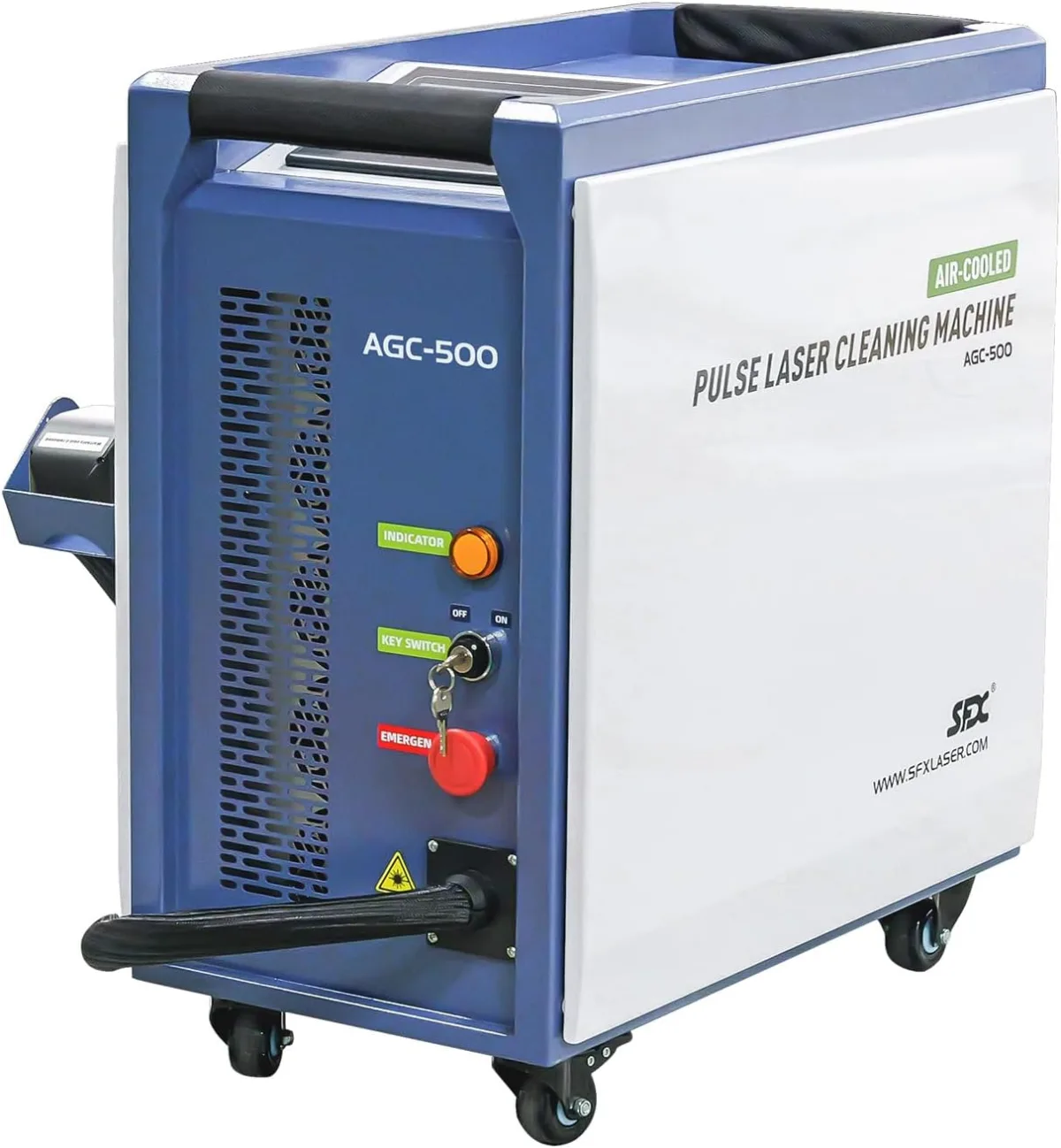
My Experience with the LYXC Air-Cooled Laser Cleaning Machine
Okay, let's get real. When I first heard about laser cleaning, I was skeptical. I run a small fabrication and restoration shop, and we deal with a lot of rust, old paint, and grime on metal parts. Traditionally, that means hours of grinding, sandblasting, or harsh chemical stripping – all messy, time-consuming, and frankly, a pain. So, when I started researching alternatives, the LYXC Air-cooled Cleaning Machine kept popping up. After a lot of deliberation (and saving!), I decided to bite the bullet and pick one up here.
Unboxing and First Impressions
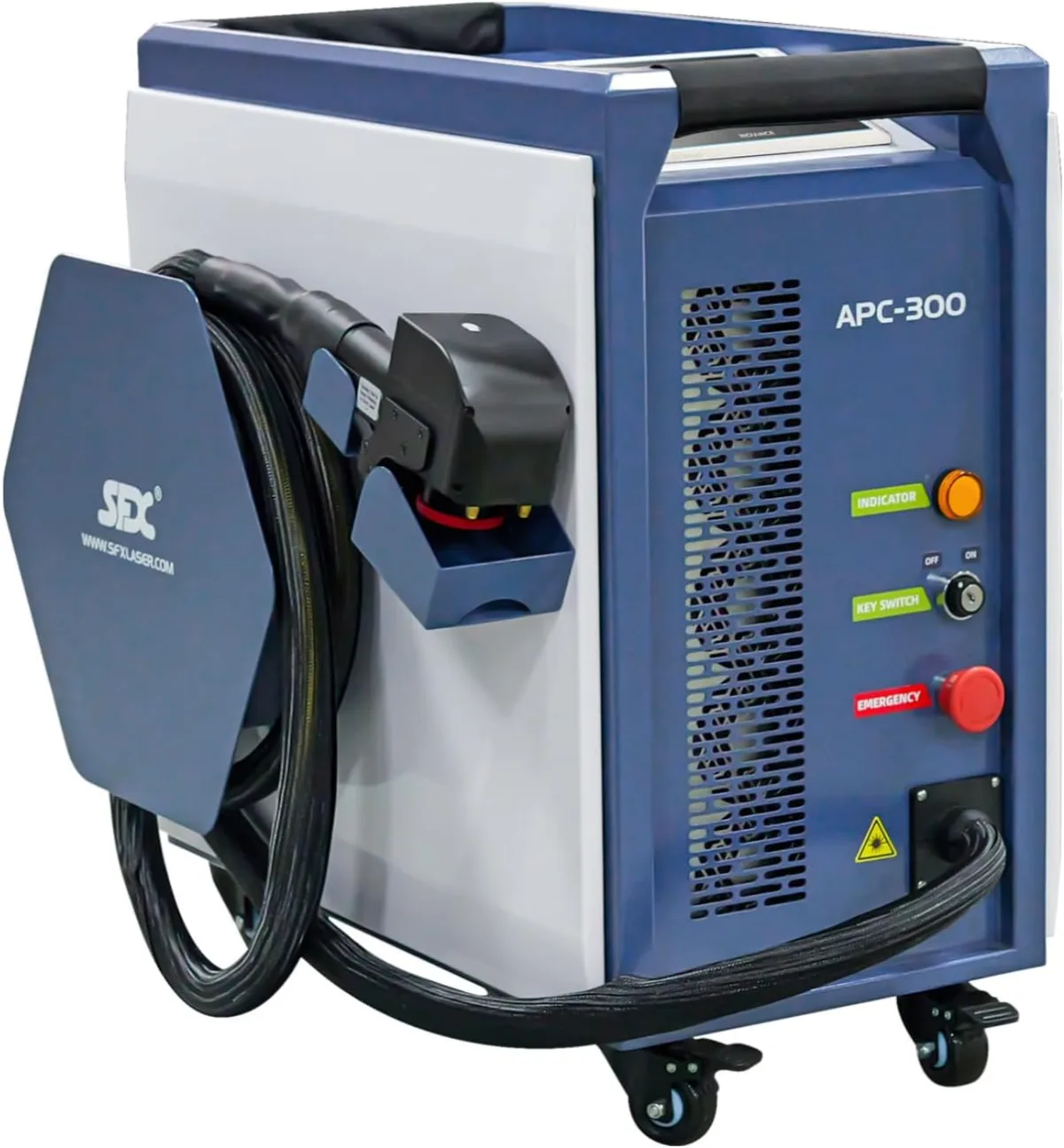
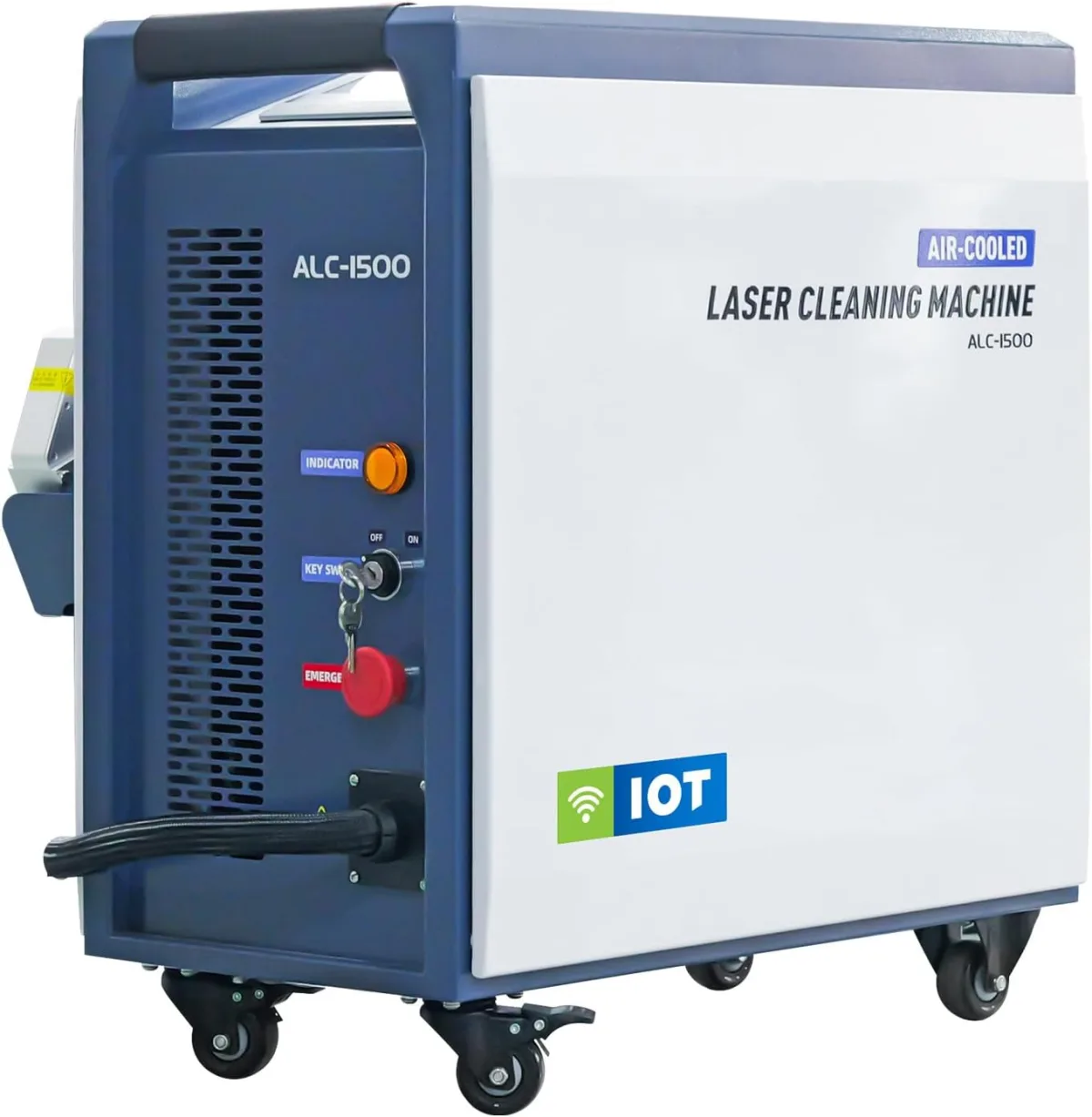
The unit arrived well-packaged, which was a relief given its complexity. It’s certainly not a small package, but once out, the machine itself is surprisingly compact for what it does. I opted for the 1000W model, figuring it would be a good balance of power and portability for my needs. The "lightweight handheld" claim holds up, at least for the gun itself, which feels robust yet manageable. The main unit is definitely a two-person lift or best moved with a pallet jack, but that's expected for industrial equipment.
Initial setup wasn't plug-and-play, but it wasn't overly complicated either. There's a learning curve, especially with understanding the safety protocols and different settings for various materials. I spent a good half-day going through the manual and watching some online tutorials before I even thought about firing it up. Safety goggles (specific laser ones), gloves, and a well-ventilated area are non-negotiable. This isn't a toy.
Performance: What It Can Do
Once I got the hang of it, this machine impressed me. My primary use has been rust and paint removal from steel parts, and it excels at both. The 15m fiber optic cable is a godsend, giving me incredible reach around the shop without having to constantly reposition the main unit. This flexibility is a huge win for larger items or when working in awkward spaces.
- Rust Removal: It zaps away surface rust almost instantly, leaving a clean, bare metal finish. For deeper pitting, it takes a bit more time and passes, but the result is consistently better than anything I could achieve with wire brushes or even some sandblasting setups without significant material removal.
- Paint Stripping: Old, flaky paint comes right off. Thicker, more stubborn coatings require a few passes, but the precision is incredible. I've used it to clean specific areas without affecting the surrounding paint, which is impossible with traditional methods.
- Oil and Grease: For light oil and grease residues, it cleans them up nicely, though for heavy buildup, a pre-clean with degreaser is still the way to go.
- Weld Cleaning: This has been an unexpected bonus. Cleaning up weld discoloration and spatter is quick and leaves a professional finish.
I noticed the air-cooled system handled continuous use pretty well for the tasks I was doing. For extremely heavy, non-stop industrial runs, a water-cooled system might be needed, but for my shop's workflow, it hasn't been an issue. The fan noise is noticeable but not excessive for a workshop environment.
The Good Stuff (Pros)
- Incredible Precision: You can clean incredibly detailed areas without affecting surrounding material. It's like having a surgical tool for cleaning.
- Speed and Efficiency: What used to take hours of manual labor can now be done in minutes or seconds, depending on the size of the part and the contaminant.
- No Consumables (Mostly): No sand, no chemicals, no grinding discs to buy constantly. Just electricity. This translates to significant long-term savings.
- Environmentally Friendlier: No chemical waste, no dust clouds like sandblasting. The waste is minimal – just the vaporized contaminants, which you still need to ventilate properly.
- Long Reach: That 15m fiber optic cable is a game-changer for versatility.
- Lightweight Handheld Gun: Reduces fatigue during extended use.
What Annoyed Me (Cons)
- High Upfront Cost: Let's be honest, this is a serious investment. It's not for hobbyists. You can check today's price, but be prepared.
- Steep Learning Curve and Safety: This is industrial-grade laser equipment. You absolutely need to understand how to use it safely, what PPE is required, and how to manage the fumes. It's not something you can just hand to an untrained employee.
- Not for All Materials: While great for metals, it's not designed for plastics, wood (unless you're looking to engrave/burn), or delicate surfaces. Knowing its limitations is crucial.
- Power Requirements: It needs a dedicated 220V circuit, which might require an electrician for some shops.
- Air-cooled Limitations: While fine for my intermittent use, I suspect continuous, heavy-duty cleaning at higher wattages might push the limits of an air-cooled system compared to a water-cooled one.
Maintenance and Durability
After a few months of regular use, the machine has held up well. There isn't much "maintenance" in the traditional sense beyond keeping the optical path clean and ensuring proper ventilation. The build quality feels solid, designed for a workshop environment. The control panel is intuitive enough once you've learned the ropes, and the components seem robust.
Value for Money
This is where it gets tricky. For a small shop like mine, the initial investment was substantial. However, when I factor in the time saved, the reduction in consumable costs (sandblasting media, grinding discs, harsh chemicals), and the vastly superior finish I can achieve, the ROI is starting to look very promising. It's allowed me to take on jobs I might have previously turned down due to the labor involved in cleaning. If you're running a business that frequently deals with surface preparation, this machine could pay for itself faster than you think.
Who Should Buy This
- Small to medium fabrication or restoration shops.
- Businesses that regularly need to remove rust, paint, oil, or other contaminants from metal surfaces.
- Operations looking to reduce consumable costs and improve efficiency.
- Anyone prioritizing precision and a cleaner work environment over traditional methods.
- If you're serious about upgrading your cleaning process, you should definitely grab it on Amazon.
Who Should Skip It
- Hobbyists or DIYers without significant budget or specialized cleaning needs.
- Anyone unwilling to invest time in understanding laser safety and operation.
- Businesses that primarily work with materials other than metal.
- If your primary need is for continuous, extremely heavy-duty cleaning at the highest power levels (you might need a water-cooled system then).
Final Thoughts
The LYXC Air-cooled Cleaning Machine isn't a casual purchase, but it's a powerful tool that delivers on its promises for industrial applications. It has genuinely improved my shop's efficiency and the quality of our surface prep. It's a testament to how far technology has come in a practical, hands-on field. If you're in the market for a serious upgrade to your cleaning process, and you understand the investment and learning curve involved, I can confidently say this machine is worth considering. It’s certainly changed how I approach tough cleaning jobs.