The Illusion of Progress: Are Smartphones Really Innovating?
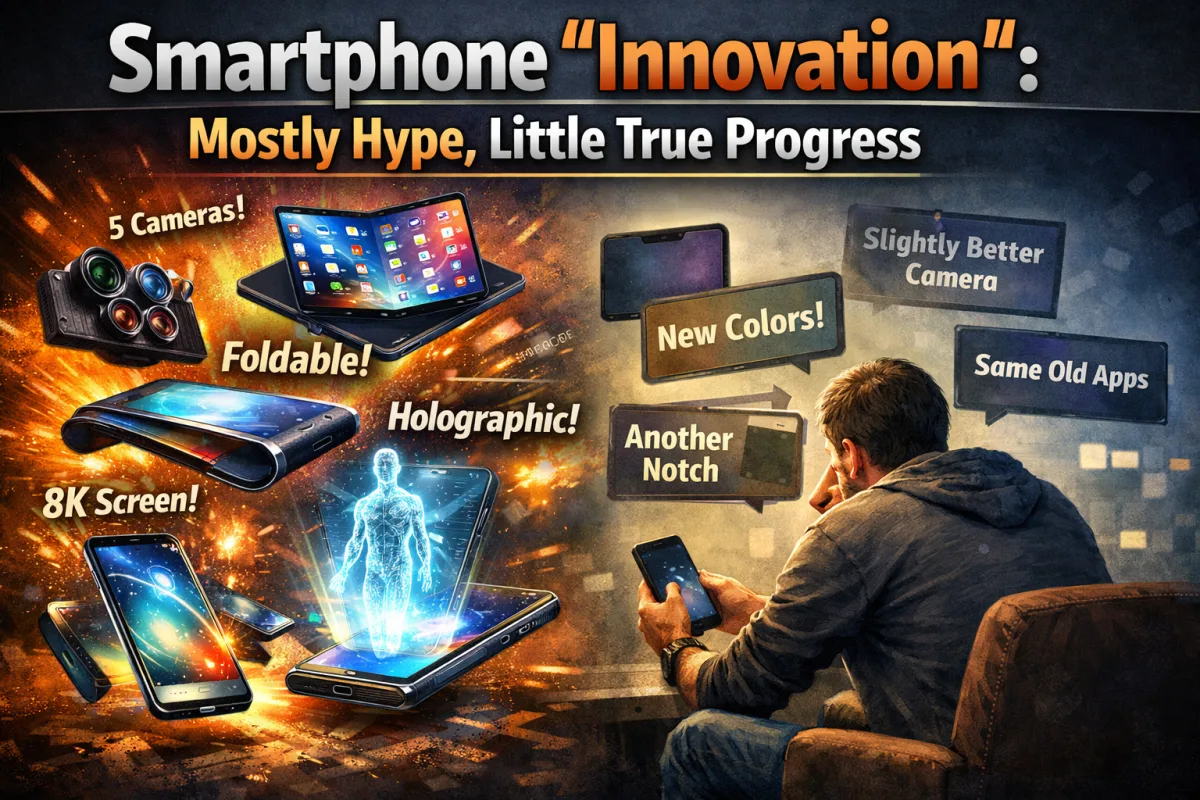
Another year, another parade of shiny new smartphones. Manufacturers line up, each touting their "revolutionary" new features: faster chips, brighter screens, more megapixels, and ever-more-exotic materials. The tech press dutifully reports the specs, consumers flock to pre-orders, and the cycle continues. But pause for a moment. Take a step back from the polished marketing campaigns and the breathless reviews. Are these devices truly innovating, or are we witnessing a masterclass in incrementalism, dressed up as genuine progress?
I've covered the tech industry for decades, and what I see in the smartphone market today is less about groundbreaking leaps and more about sophisticated refinement. We're certainly getting *better* phones, no one disputes that. They’re faster, smoother, and incredibly capable. Yet, the core experience, the fundamental way we interact with these devices, hasn't dramatically shifted in years. It’s time we asked harder questions about what constitutes "innovation" in a market seemingly obsessed with solving problems that don't truly exist for the average user.
Foldables: A Solution in Search of a Problem?
Perhaps the most visually striking "innovation" of recent years comes in the form of foldable phones. They’re undeniably cool, a marvel of engineering that allows a tablet-sized screen to fit in your pocket. But let's be honest, how many people do you see regularly using these devices? Their eye-watering price tags, often starting north of $1,000, immediately put them out of reach for many. Then there's the durability question. While manufacturers assure us hinge mechanisms and flexible screens have improved, the collective memory of early models plagued by dust ingress and display creases lingers. It’s hard to shake the feeling that foldables, while technically impressive, remain a niche luxury item. They offer a novel form factor, yes, but do they fundamentally change how we *work* or *play* in a way that justifies the compromises and cost? For most, a conventional slab phone paired with a tablet for larger screen needs remains a far more practical and economical choice.
The Never-Ending Camera Wars
Every new flagship phone boasts a "pro-level" camera system. We're bombarded with numbers: 108 megapixels, 200 megapixels, 10x optical zoom, cinematic modes. It's a spec war that's become almost comical. Yes, smartphone cameras have become astonishingly good, capable of capturing incredible detail and performing wonders in low light. But here's the kicker: much of that improvement isn't purely hardware. It's the computational photography, the AI algorithms working furiously behind the scenes to stitch together multiple exposures, enhance colors, and correct imperfections. The hardware provides the raw data, but the software engineers are the real magicians.
For the vast majority of users, who simply snap photos of their kids, pets, or dinner, the difference between a top-tier flagship camera and a mid-range phone from two years ago is negligible. Do we truly *need* a 200-megapixel sensor to capture Aunt Sally's birthday cake? Or are we just being sold on bigger numbers that rarely translate into meaningfully better photos for the average Instagram post?
Power Overkill and Battery Stagnation
Processors get faster every year. Benchmarks climb higher. Apps launch instantaneously. This relentless pursuit of raw power, however, often feels like overkill. Most people spend their phone time scrolling social media, browsing the web, streaming video, and sending messages. These tasks don't demand the kind of desktop-level processing power crammed into today's smartphones. It's akin to buying a Formula 1 car to drive to the grocery store. It'll get you there, sure, but you're paying for and carrying around capabilities you'll never fully utilize.
And what about battery life? Despite these increasingly powerful chips, genuine leaps in battery endurance seem to elude us. We've seen incremental gains, certainly, but the dream of a phone that lasts multiple days on a single charge remains just that – a dream. Instead, manufacturers push ever-faster charging speeds, a welcome convenience, but ultimately a workaround for batteries that haven't kept pace with our demands. We’re still tethered to power outlets, just for shorter periods.
Niche Features and Neglected Essentials
Then there are the features that capture headlines but impact few. Satellite connectivity, allowing emergency calls from remote areas, is genuinely life-saving for those few unfortunate souls who might need it. That's a true innovation. But it’s not a daily driver feature for 99.9% of users. Under-display cameras, while neat, often compromise image quality. What about the essentials?
- Repairability: Most phones remain glued-shut, difficult-to-repair labyrinths, driving consumers to replace rather than fix. Where's the innovation in making devices less sustainable?
- Privacy & Security: While improving, the constant battle against data breaches and intrusive tracking demands more robust, user-friendly solutions, not just faster processors.
- Software Longevity: Why do some manufacturers still only offer a few years of software updates, forcing perfectly capable hardware into obsolescence?
These are the areas where genuine, impactful innovation could truly benefit consumers and the planet. Yet, they rarely get the same fanfare as a slightly brighter screen or a new zoom lens.
Looking Beyond the Hype
So, where does that leave us? With highly refined, incredibly capable devices that, for all their marketing sizzle, often feel more iterative than revolutionary. The "latest innovations" often serve to justify higher price points and fuel upgrade cycles, rather than fundamentally improving our digital lives. When you're considering your next smartphone, look past the glossy advertisements and the impressive-sounding spec sheets. Ask yourself: Does this feature genuinely improve my daily experience? Is it solving a real problem I have, or one the manufacturer wants me to think I have?
True innovation isn't just about making things faster or prettier. It's about making them more useful, more accessible, more sustainable, and more aligned with our real-world needs. Until manufacturers refocus their efforts on these core principles, much of what they label "innovation" will remain, sadly, just clever marketing.