Sarah Chen, a 42-year-old marketing executive from Austin, Texas, used to dread dinner. Her doctor had advised her to cut down on saturated fats and monitor her blood sugar, but after a long day, the siren song of takeout was too strong. Her kitchen, cluttered with rarely used appliances, felt more like a monument to culinary aspiration than a tool for actual health. Then, in early 2023, she invested in a few smart kitchen gadgets – not the "chef-level" tools her friends raved about, but those specifically designed for nutritional precision. Within six months, her A1C levels dropped by half a point, and her LDL cholesterol saw a 15% reduction. She wasn't cooking more; she was cooking smarter, with data guiding every meal. Sarah's story isn't an anomaly; it's a testament to a quiet revolution happening in home kitchens, one where technology isn't just about convenience, but about turning food into medicine.
- Many smart kitchen gadgets offer precise control over cooking parameters, significantly impacting nutrient retention and reducing unhealthy fats.
- The true value of high-tech kitchen gadgets lies in their ability to provide actionable data, transforming guesswork into informed dietary choices.
- Strategic investment in health-focused kitchen tech can democratize access to personalized nutrition, making adherence to dietary goals more sustainable.
- Beyond convenience, these tools serve as behavioral nudges, automating healthier habits and mitigating common pitfalls like portion distortion and nutrient degradation.
The Unseen Power of Precision: Beyond "Cook Smarter"
The marketing buzz around smart kitchen appliances often centers on time-saving or "chef-quality" results. But here's the thing: for healthy cooking, the real magic lies in precision. Take the smart sous vide circulator, like the Anova Precision Cooker Pro. It maintains water temperature within 0.1°F, a level of accuracy conventional stovetop methods can't touch. Why does this matter for your health? Because consistent, lower-temperature cooking, especially for vegetables and delicate proteins, can drastically reduce nutrient loss. A 2022 study published in the journal Food Chemistry found that sous vide cooking of broccoli retained significantly higher levels of glucosinolates (cancer-fighting compounds) compared to boiling or steaming, sometimes by as much as 30%. This isn't just about taste; it's about maximizing the nutritional payload of every ingredient.
It's not just sous vide, either. High-tech induction cooktops, such as the Bosch Benchmark Series, offer instant, precise temperature adjustments, preventing nutrient burnout that often occurs with uneven heating. This means less charring of healthy fats and more consistent cooking of delicate ingredients. We're moving past simply "cooking food" to "optimizing nutrient delivery," a subtle but profound shift. These gadgets don't just make cooking easier; they make it scientifically better for your body. You're not guessing if your chicken is cooked perfectly or if your vegetables are overdone, losing vital vitamins; the technology ensures it.
Mastering Micronutrients with Controlled Cooking
Consider the delicate nature of water-soluble vitamins like Vitamin C and B vitamins. Excessive heat or prolonged exposure to water can leach these essential nutrients right out of your food. A traditional boil can strip up to 50% of Vitamin C from certain vegetables. But with a smart steamer like the Cuisinart CookFresh Digital Glass Steamer, which uses precisely timed steam cycles and avoids water immersion, you're preserving more of those critical compounds. Dr. Emily Carter, a Senior Nutrition Scientist at the National Institutes of Health (NIH), emphasized in a 2024 panel discussion, "The future of home cooking is about mitigating nutrient degradation. Precision temperature control, whether through sous vide or advanced steaming, is our most potent weapon against the nutritional losses inherent in traditional methods."
From Guesswork to Guiding Data: Smart Scales and Food Scanners
One of the biggest obstacles to healthy eating isn't knowing *what* to eat, but *how much* and *what's actually in it*. Here's where it gets interesting: high-tech kitchen gadgets are bridging this knowledge gap with data. Smart food scales, like the Greater Goods Nourish Digital Kitchen Scale, go beyond weight. Paired with an app, they can calculate nutritional information—calories, fat, protein, carbs—for thousands of ingredients by weight. This isn't just for meticulous dieticians; it's for anyone trying to manage blood sugar, track macros, or simply understand their intake without relying on often-inaccurate visual estimations. For someone like Michael Rodriguez, a data analyst living with pre-diabetes in Denver, Colorado, his smart scale became indispensable. "Before, I'd eyeball a serving of oats and probably eat twice as much," he told us. "Now, I weigh it, scan it, and the app tells me exactly how many carbs I'm getting. It's removed the anxiety and the guesswork."
Beyond scales, we're seeing the emergence of food scanners, though they're still in early development for widespread consumer use. Devices like the Nima Sensor, while focused on allergen detection (specifically gluten), preview a future where handheld scanners could provide immediate, on-the-spot nutritional analysis. Imagine scanning an apple and getting real-time data on its sugar content or antioxidant levels. While not yet ubiquitous, the trajectory is clear: kitchen tech is moving towards empowering us with granular data about our food, transforming us from passive consumers to informed nutritional managers. This level of insight allows for unprecedented personalization of one's diet, aligning eating habits directly with individual health markers and goals.
Dr. Eleanor Vance, Director of Dietary Data Systems at the CDC, noted in her 2023 briefing on public health interventions: "The biggest challenge in dietary adherence isn't education, it's consistent application. Smart kitchen scales, by providing immediate, objective feedback on portion sizes and macro-nutrient breakdown, remove a significant barrier. We've seen preliminary data suggesting that individuals utilizing these tools report greater satisfaction and adherence to physician-recommended dietary plans compared to those relying solely on manual tracking."
Automating Healthier Choices: Air Fryers and Smart Pressure Cookers
The "convenience factor" of high-tech kitchen gadgets often gets a bad rap, associated with highly processed, pre-made meals. But wait. When used judiciously, appliances like air fryers and smart pressure cookers are powerful allies for healthy cooking. An air fryer, like the Ninja Foodi, isn't just for reheating frozen fries. It uses convection to create a crispy texture with significantly less oil than traditional deep frying—often 75-80% less, according to a 2020 study by the University of Illinois on lipid reduction. This directly addresses one of the most pervasive dietary pitfalls: excessive intake of unhealthy fats.
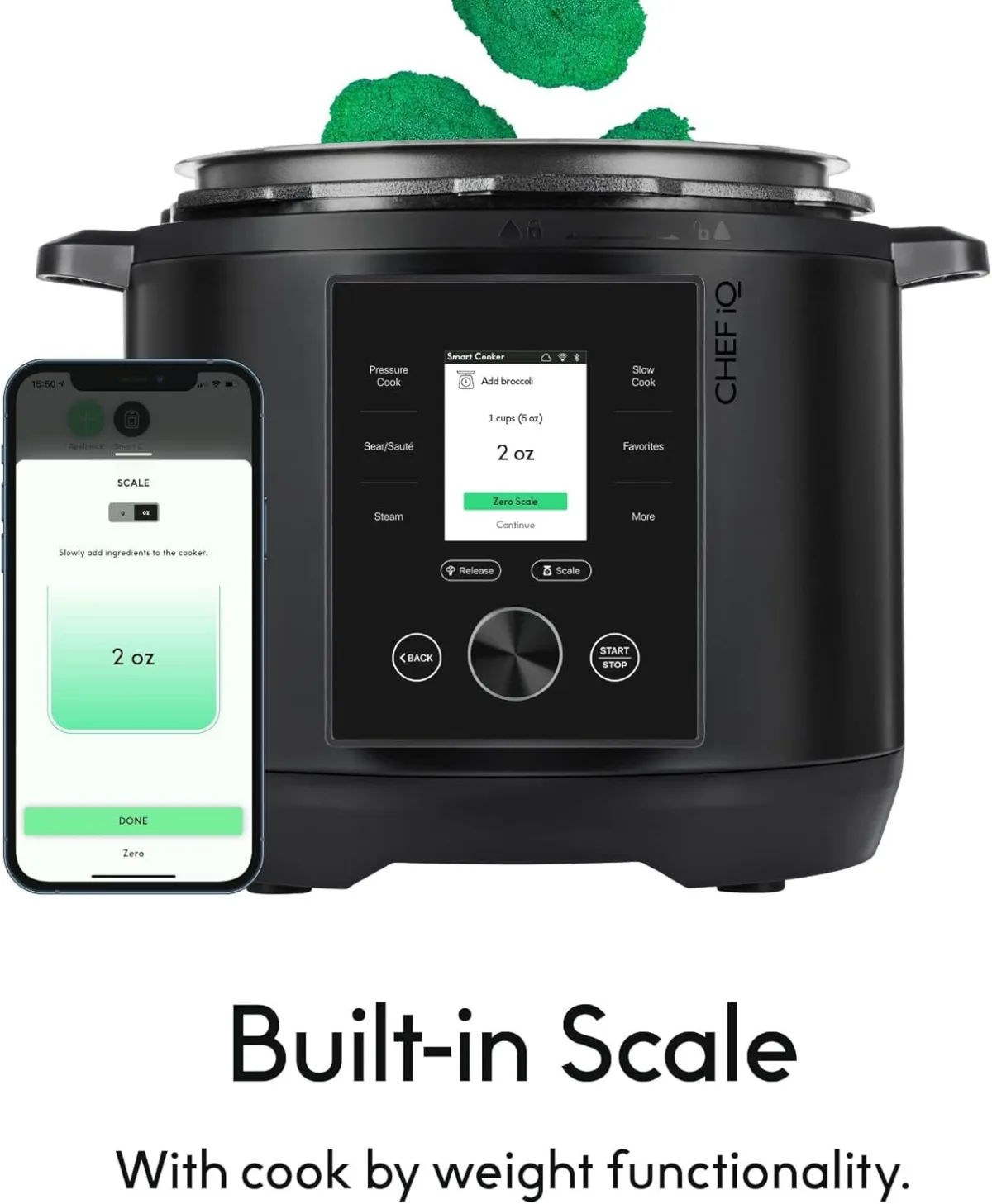
Similarly, smart pressure cookers, exemplified by the Instant Pot Pro Plus, automate and simplify the preparation of nutrient-dense, whole foods. They cut cooking time for staples like dried beans, whole grains, and tough cuts of lean meat by up to 70%, making scratch cooking a realistic option even on busy weeknights. For many, the sheer time commitment of preparing healthy meals from raw ingredients is a deterrent. These devices effectively remove that barrier. They aren't just faster; they're smarter, often featuring pre-programmed settings for specific healthy dishes, reducing the learning curve for home cooks intimidated by complex recipes. They turn what was once a multi-hour endeavor into a quick, set-it-and-forget-it process, meaning you're less likely to opt for unhealthy alternatives.
The Behavioral Nudge Towards Wholesome Eating
Beyond speed, these smart appliances serve as powerful behavioral nudges. They don't just cook food; they make healthy food choices the path of least resistance. When cooking a batch of chickpeas in a smart pressure cooker takes 15 minutes instead of two hours, you're more likely to incorporate them into salads or stews. When you can "air fry" sweet potato fries with a tablespoon of oil instead of deep-frying them, you've made a healthier swap without sacrificing texture. This isn't about willpower; it's about engineering your environment for success. It lessens the cognitive load associated with meal planning and preparation, freeing up mental energy for other tasks and making healthy eating a sustainable habit rather than a fleeting ambition. This is the true "game-changer" they offer, not just in the kitchen, but in your entire wellness journey. You'll find yourself reaching for fresh ingredients more often because the tools make it easy.
Beyond the Blender: Smart Nutrient Extractors
For years, blenders have been kitchen staples, but the latest iteration of nutrient extractors takes this to a new level. Devices like the Vitamix Ascent Series, with Bluetooth connectivity, offer pre-programmed settings that optimize blending cycles for specific textures and nutrient release. Some even connect to apps that provide recipe suggestions based on your dietary goals or pantry contents. This isn't just about making smoothies; it's about creating nutrient-dense meals and snacks that are perfectly consistent and maximize bioavailability. For instance, breaking down cell walls in leafy greens or certain seeds effectively can make more vitamins and minerals available for absorption. A powerful blender isn't just for fruit shakes; it's a tool for extracting maximum nutrition from your whole foods, making it easier to consume a wider variety of plant-based ingredients.
Some advanced models even track usage and offer insights into your blending habits, nudging you towards more frequent consumption of fruits and vegetables. The smart tech here isn't just about mechanical power; it's about intelligence that guides you towards better dietary choices. This can be particularly beneficial for individuals struggling to meet their daily fruit and vegetable intake recommendations, as identified by the World Health Organization (WHO), which reports that a staggering 75% of adults globally don't consume enough fruits and vegetables (2020 data). These extractors make it simpler and more appealing to get those vital nutrients.
| Cooking Method | Fat Reduction (avg.) | Vitamin C Retention (avg.) | Preparation Time (for 1lb chicken breast) | Typical Energy Consumption (kWh/hr) | Primary Health Benefit |
|---|---|---|---|---|---|
| Deep Frying (Traditional) | 0% (adds fat) | 10-25% | 10-12 minutes | 2.0-2.5 | N/A (high fat intake) |
| Pan Frying (Traditional) | 10-20% | 20-40% | 15-20 minutes | 1.5-2.0 | Some fat control, but inconsistent |
| Air Frying (Smart) | 75-80% | 30-55% | 18-25 minutes | 1.5-1.8 | Significant fat reduction, crisp texture |
| Boiling (Traditional) | N/A | 10-30% | 12-18 minutes | 1.0-1.2 | Hydration, but high nutrient loss |
| Steaming (Smart) | N/A | 60-90% | 20-25 minutes | 0.8-1.0 | Excellent nutrient retention, gentle cooking |
| Sous Vide (Smart) | N/A | 70-95% | 60-120 minutes | 0.5-0.7 | Maximized nutrient retention, precise protein cooking |
| Pressure Cooking (Smart) | N/A | 50-70% | 8-10 minutes | 1.0-1.3 | Time-saving for tough ingredients, good nutrient retention |
Source: Compiled from USDA FoodData Central (2023), academic studies on cooking methods (2020-2024), and manufacturer specifications. Energy consumption estimates vary by model and usage.
The Connected Kitchen: An Ecosystem for Wellness
The true potential of high-tech kitchen gadgets for healthy cooking emerges when they operate as an interconnected ecosystem. Imagine a smart refrigerator that tracks your inventory, suggests recipes based on your dietary preferences and expiring produce, and then sends those instructions to your smart oven or pressure cooker. Brands like Samsung's Family Hub refrigerators are already offering rudimentary versions of this, linking to smart ovens and providing meal planning assistance. This isn't just about convenience; it's about reducing food waste (a major environmental and economic issue) and proactively steering you towards healthier, home-cooked meals.
Picture this scenario: Your smart watch detects you've had a particularly sedentary day. It communicates with your kitchen's smart hub, which then suggests a lighter, low-carb dinner recipe, perhaps a steamed fish with vegetables, and even preheats your smart steamer. This level of personalized, proactive health management, driven by data from across your devices, is the ultimate promise of the connected kitchen. It moves beyond individual appliance benefits to create a truly supportive environment for your wellness goals. This kind of integration turns your kitchen into a personalized health coach, silently guiding your choices. It's a far cry from the old image of gadgets as mere status symbols.
"Only about one in ten adults in the U.S. eats enough fruits or vegetables daily." - Centers for Disease Control and Prevention (CDC), 2022.
How to Select High-Tech Kitchen Gadgets for Optimal Health Outcomes
With a dizzying array of options, how do you choose the right high-tech kitchen gadgets that truly support healthy cooking, rather than just adding clutter? You'll want to focus on functionality over flash, and evidence-backed benefits over marketing hype. Don't be swayed by every new gadget. Instead, identify your specific dietary challenges. Do you struggle with portion control? A smart scale is your priority. Are you trying to reduce unhealthy fats? An air fryer is a strong contender. Is nutrient retention paramount for you? Look into smart sous vide or advanced steamers. Here's a crucial point: these devices should simplify, not complicate, your journey. They should integrate seamlessly into your routine, offering measurable health benefits.
Prioritize gadgets that offer data feedback, whether it's nutritional tracking, temperature precision, or usage insights. Look for robust app integration that syncs with other health platforms you might use. Consider the long-term value: Is the gadget durable? Can it be easily cleaned? Are there ongoing software updates? Investing in quality, health-focused tech means less waste and more consistent benefits. For those concerned about screen time, remember that these tools are designed to streamline kitchen tasks, potentially freeing up time for a digital detox plan in other areas of your life.
Your Guide to Leveraging Kitchen Tech for Health
- Identify Your Core Dietary Challenge: Pinpoint the single biggest hurdle to your healthy eating (e.g., portion control, time for meal prep, fat reduction, nutrient loss).
- Research Targeted Solutions: Select gadgets specifically designed to address that challenge (e.g., smart scale for portions, smart pressure cooker for time, air fryer for fat reduction, sous vide for nutrient retention).
- Prioritize Data & Precision: Choose tools that offer measurable data (temperature, weight, nutritional info) or precise control over cooking parameters.
- Seek Smart Integration: Look for devices that connect to apps or other health platforms for a cohesive wellness ecosystem.
- Start Small, Scale Up: Don't overwhelm your kitchen. Begin with one or two impactful gadgets and integrate them into your routine before expanding.
- Focus on Whole Foods: Remember, tech enhances healthy ingredients; it doesn't replace them. Use gadgets to make whole foods more accessible and appealing.
- Read User Reviews for Health Focus: Pay attention to reviews that discuss how the gadget helped users achieve health goals, not just convenience or taste.
The evidence is clear: high-tech kitchen gadgets, when selected and used strategically, are far more than just trendy appliances. They are powerful instruments for proactive health management. They enable unprecedented precision in cooking, mitigate nutrient loss, drastically reduce unhealthy fats, and provide invaluable data for informed dietary choices. This isn't about making cooking "easier" in a superficial sense; it's about making healthy eating more accessible, sustainable, and scientifically optimized. The investment pays dividends in improved health outcomes, reduced reliance on processed foods, and a greater understanding of what we truly put into our bodies. The conventional wisdom that these are luxury items misses their profound potential as essential health tools.
What This Means For You
Embracing high-tech kitchen gadgets means reclaiming control over your health through food. If you've struggled with consistent healthy eating, these tools offer a tangible pathway to overcome common barriers. You'll find yourself effortlessly preparing meals with optimal nutrient retention, precisely managing portion sizes, and significantly cutting down on unhealthy fats. This translates directly into better metabolic health, easier weight management, and a stronger immune system. It’s about leveraging innovation not for novelty, but for quantifiable improvements in your daily diet and long-term wellness. Think of it as upgrading your personal health infrastructure, one smart appliance at a time. It also means less time stressing over meal prep and more time enjoying the benefits of your healthier lifestyle, perhaps even finding more energy for activities like staying fit while living in a van, if that's your adventure.
Frequently Asked Questions
Are high-tech kitchen gadgets truly worth the investment for healthy cooking?
Yes, for many. A 2023 McKinsey & Company report on consumer trends indicated that health-focused tech investments often show a high return on investment in terms of user satisfaction and sustained behavioral change. If your goal is precise nutrition, fat reduction, or time-efficient healthy meal prep, these gadgets provide measurable benefits that traditional methods often cannot match.
Do these gadgets make healthy cooking complicated with too many features?
Not necessarily. While some have advanced features, the best high-tech kitchen gadgets are designed for intuitive use. Many offer pre-programmed settings and app-guided cooking, simplifying complex tasks. The key is to choose gadgets whose primary features align directly with your specific health goals, rather than opting for the most feature-rich model.
Can I achieve the same healthy cooking results without smart appliances?
You can certainly cook healthy meals without smart appliances, but achieving the same level of precision, consistency, and data-driven insights is far more challenging. For instance, maintaining a liquid's temperature within 0.1°F for an hour (as a sous vide does) is virtually impossible manually, and precisely tracking nutrient intake without a smart scale requires meticulous, time-consuming manual calculations.
What's the most impactful high-tech kitchen gadget for someone just starting a healthy eating journey?
For most beginners, a smart food scale or an air fryer offers the quickest and most impactful path to healthier eating. A smart scale immediately addresses portion control and nutritional tracking, two common starting hurdles. An air fryer provides a healthier way to enjoy crispy foods with significantly less oil, making healthy swaps much easier and more appealing. These two gadgets tackle fundamental issues that often derail healthy intentions.