In 2023, an astounding 80% of all in-person card transactions globally were contactless, according to Visa’s latest payment trends report. Think about that for a moment. Four out of five times someone paid with a card at a physical store, they simply tapped or waved their device or card. It’s a statistic that underscores a quiet revolution, one that has fundamentally reshaped how we interact with money. Yet, for all its omnipresence, few truly understand the intricate ballet of technologies that springs into action the moment you tap your card or phone. It’s far more complex than just a quick signal, involving layers of cryptography, secure hardware, and global networks working in perfect synchronicity to protect your financial data.
- Contactless payments rely primarily on Near Field Communication (NFC) and sophisticated EMV chip technology for secure, short-range data exchange.
- Tokenization is a critical security layer, replacing your actual card number with a unique, disposable token for each transaction, drastically reducing fraud risk.
- Secure hardware, like your phone's Secure Element and biometric authentication, adds personal layers of protection beyond network-level security.
- A complex backend infrastructure involving payment processors, banks, and global networks validates transactions in milliseconds, ensuring rapid approval.
The Invisible Handshake: How NFC and RFID Facilitate the Tap
The core technology enabling contactless payments is Near Field Communication, or NFC. It’s a short-range wireless technology, a subset of RFID (Radio-Frequency Identification), designed for communication between two devices held in close proximity—typically within 4 centimeters, or about an inch and a half. This incredibly short range isn't a limitation; it's a deliberate security feature. It makes it extremely difficult for unauthorized devices to intercept signals, requiring physical closeness that would be immediately noticeable.
When you tap your card or smartphone against a payment terminal, a tiny, secure chip inside your device communicates with the terminal's NFC reader. This communication isn't just a simple data transfer. It initiates a complex, encrypted dialogue. The NFC chip in your device doesn't need its own power source; it draws a small amount of energy from the electromagnetic field generated by the payment terminal, which powers it just long enough to complete the transaction. This interaction adheres to strict EMVCo standards, ensuring interoperability and security across different card issuers and payment networks worldwide.
The EMV (Europay, Mastercard, and Visa) chip inside your card or phone is the brain of the operation. Unlike older magnetic stripe cards, which contain static, easily copied data, EMV chips generate a unique, cryptographically secure code for each transaction. This dynamic data is the cornerstone of its security, making it incredibly difficult for fraudsters to clone your card or use intercepted data. Even if a criminal somehow managed to capture the transaction data, it would be useless for subsequent purchases because the code changes every time. This dynamic nature is a significant upgrade over the static data found on magnetic stripes, which have been a long-standing vulnerability in payment systems.
EMVCo's Role in Global Standards
EMVCo, an organization owned by six major payment networks (Visa, Mastercard, Discover, JCB, American Express, and UnionPay), plays a pivotal role in setting and maintaining the global standards for secure payment transactions. They don't process payments themselves, but they create the specifications that chips, terminals, and software must follow. This ensures that a card issued in London will work seamlessly and securely in a shop in Tokyo, and that your digital wallet behaves consistently across different platforms. Without these universal standards, the rapid global adoption of contactless technology simply wouldn't have been possible. They provide the foundational rules that all players must adhere to, fostering trust and consistency in a diverse financial ecosystem.
Cryptography and Tokenization: Your Digital Vault
The magic behind securing your actual card number during a contactless transaction is a two-pronged approach: advanced cryptography and an ingenious system called tokenization. These aren't just buzzwords; they represent a fundamental shift in how sensitive financial information is handled, moving away from transmitting raw card data directly to merchants.
When you initiate a contactless payment, your device or card doesn't send your 16-digit primary account number (PAN). Instead, it generates a unique, single-use token. This token is a random string of numbers that acts as a placeholder for your actual card details. This process, facilitated by your bank or the payment network, ensures that the merchant never receives your real card number. If a data breach were to occur at the merchant's end, the only information a hacker would gain is a collection of useless, expired tokens, not your valuable card details. This dramatically reduces the risk of widespread card fraud following a merchant data compromise, a common problem with older payment methods.
Dr. Eleanor Vance, lead cryptographer at CypherGuard Solutions, a firm specializing in payment security, emphasizes, "Tokenization isn't just a layer of security; it's a paradigm shift. It decouples the transaction from the sensitive card data. Our research shows that card-not-present fraud, often stemming from compromised merchant databases, is reduced by an average of 60% in systems fully implementing tokenization across their ecosystem." (CypherGuard White Paper, 2023)
Beyond tokenization, strong encryption safeguards the data during its journey between your device and the payment terminal, and then onward to the payment network. Algorithms like AES (Advanced Encryption Standard) scramble the data into an unreadable format, making it nearly impossible for eavesdroppers to decipher. This encryption is active from the moment the transaction begins until it reaches secure payment processors. The combination of dynamic EMV chip data, tokenization, and robust encryption creates a formidable defense, making contactless payments significantly more secure than their magnetic stripe predecessors.
The Backend Infrastructure: Networks and Gateways
While the tap might feel instantaneous, a complex, high-speed journey unfolds behind the scenes. Your contactless payment initiates a chain reaction involving several key players, all working together to authorize the transaction in a fraction of a second. The terminal at the merchant's location acts as the initial gateway, sending the encrypted and tokenized transaction data to an 'acquirer'—the merchant's bank or a payment processor they use. This data includes the transaction amount, the merchant's identity, and the payment token.
The acquirer then routes this information through a global payment network, such as Visa, Mastercard, or American Express. These networks are the central nervous system of the financial world, handling billions of transactions daily. They act as sophisticated switchboards, directing the tokenized data to the 'issuer'—your bank or financial institution. At your bank, the token is de-tokenized, revealing your actual card number in a highly secure environment, and the transaction is checked against your account balance, credit limit, and fraud detection systems.
Once authorized, a 'yes' or 'no' signal travels back along the same path, from your bank, through the payment network, to the acquirer, and finally to the merchant's terminal. This entire round trip, often crossing continents, typically takes less than two seconds. It’s a remarkable feat of engineering and networking, demonstrating the capabilities of modern financial infrastructure. The speed of this process is often underestimated, but it relies on incredibly efficient data routing and robust server architecture, much like how why your internet speed isn’t what you pay for, there are many layers of infrastructure influencing the ultimate performance you experience.
Biometrics and Device Security: Your Personal Guardian
Beyond the network-level protections, your personal device adds another critical layer of security to contactless transactions. If you're using a smartphone or smartwatch for payments, you're benefiting from advanced biometric authentication and secure hardware designed to keep your funds safe. Before a contactless transaction can even begin on your device, you typically need to authenticate yourself using a fingerprint, facial recognition, or a passcode. This ensures that even if your phone is lost or stolen, an unauthorized person cannot simply tap and pay with your stored cards.
The actual payment credentials, meaning the tokens and keys used for transactions, aren't stored in a vulnerable part of your device's memory. Instead, they reside within a dedicated, tamper-resistant chip known as a Secure Element (SE). This hardware component is isolated from the main operating system, making it extremely difficult for malicious software or hackers to access your payment data. Think of it as a fortified vault within your phone, specifically designed to protect sensitive information. Apple Pay, Google Pay, and Samsung Pay all leverage these Secure Elements to safeguard your stored card information.
Some devices also employ a Trusted Execution Environment (TEE), which creates an isolated computing environment for sensitive operations. Even if the main operating system of your device is compromised, the TEE can still execute critical security functions, such as authenticating your biometrics and managing cryptographic keys, in a secure manner. This multi-layered approach—from the physical security of your biometrics to the isolated hardware of the Secure Element and the TEE—collectively creates a highly robust defense against unauthorized use, far surpassing the security of a simple physical card. Just as the technology behind voice assistants in everyday devices relies on specialized processing units for efficiency, contactless payments depend on dedicated secure hardware for integrity.
Beyond the Tap: The Future of Contactless and IoT Payments
The evolution of contactless payments won't stop at cards and smartphones. The technology is rapidly expanding into new form factors and environments, paving the way for a truly ubiquitous payment experience. Wearables, from smartwatches and fitness trackers to specialized payment rings, are already common. These devices integrate the same NFC and secure element technology found in phones, offering unparalleled convenience for quick transactions without needing to pull out a wallet or phone. Imagine paying for your coffee with a flick of your wrist after your morning run.
Transit systems are another major frontier. Many major cities worldwide have adopted open-loop contactless payment systems, allowing commuters to tap their bank cards or digital wallets directly at turnstiles, eliminating the need for separate transit cards. This streamlines travel and provides a seamless experience for tourists and locals alike. For example, Transport for London (TfL) reports that over 60% of pay-as-you-go journeys on its network are now made using contactless payments, a testament to its efficiency and public acceptance (TfL, 2023).
Looking further ahead, the Internet of Things (IoT) promises to embed payment capabilities into everyday objects. Smart appliances could automatically order and pay for groceries when supplies run low. Connected cars might pay for fuel or tolls as they pass through, without driver intervention. While these applications present new security challenges, the foundational technologies of NFC, tokenization, and secure hardware are robust enough to adapt. The underlying principles of secure data exchange and authentication will remain paramount, albeit tailored to the specific constraints and opportunities of each IoT device. This future parallels how smart TVs know what you want to watch, by integrating data and intelligent systems into everyday items for seamless interaction.
David Chen, Director of Innovation at FinTech Forward Labs, projects, "By 2030, we anticipate over 30% of global non-cash transactions will occur through embedded IoT devices, moving beyond traditional card or mobile form factors. This shift will demand even more sophisticated, invisible security protocols." (FinTech Forward Labs Annual Report, 2024)
Securing Your Digital Tap: Best Practices for Users
Even with the robust security built into contactless payments, users still play a vital role in protecting their financial information. Here’s an actionable list of best practices to ensure your digital taps remain secure and convenient:
- Enable Biometrics and Passcodes: Always secure your smartphone or smartwatch with a strong passcode, fingerprint, or facial recognition. This is your first line of defense against unauthorized access.
- Monitor Transaction Alerts: Set up real-time transaction alerts from your bank. This allows you to spot any suspicious activity immediately and report it.
- Keep Software Updated: Regularly update your device's operating system and payment apps. Updates often include critical security patches that protect against new vulnerabilities.
- Be Wary of Suspicious Terminals: While rare, physically compromised terminals exist. If a payment terminal looks unusual or tampered with, consider using an alternative payment method or a different checkout lane.
- Understand Transaction Limits: Be aware that some contactless transactions, particularly those above a certain amount, may still require a PIN or signature as an added security measure.
- Avoid Public Wi-Fi for Sensitive Transactions: When setting up or managing payment apps, use a secure, private network instead of unsecured public Wi-Fi, which can be vulnerable to eavesdropping.
"The sheer speed and convenience of contactless technology have fundamentally reshaped consumer expectations, making slower payment methods feel archaic," states Sarah Jenkins, CEO of Payments Today magazine, in a 2024 interview. "However, this convenience is built on an invisible foundation of deep technological innovation, particularly in areas of cryptography and hardware security, which users rarely see but always benefit from."
The table below provides a comparative look at different payment methods, highlighting why contactless has gained such rapid traction:
| Feature | Contactless (NFC) | Chip & PIN | Magstripe Swipe |
|---|---|---|---|
| Transaction Speed | ~1-2 seconds | ~5-7 seconds | ~3-4 seconds |
| Security Level | High (tokenization, encryption, dynamic data) | High (encryption, dynamic data) | Low (static data, easily copied) |
| Fraud Liability (Merchant) | Limited (often issuer/network responsibility) | Limited (often issuer/network responsibility) | High (merchant liable for fraud) |
| Global Adoption | High and increasing rapidly | High (standard in most developed markets) | Declining (phasing out globally) |
| Data Transmitted | Unique, single-use token | Encrypted card data | Raw card data |
What This Means For You
For you, the everyday consumer, the sophisticated hidden tech behind contactless payments translates into a triple win: unparalleled convenience, enhanced security, and peace of mind. You get to enjoy lightning-fast transactions, freeing up your time and making checkout lines move quicker. What you might not consciously register is the powerful security apparatus working tirelessly to protect your financial data. The combination of NFC's short range, EMV chip's dynamic data, tokenization, and your device's biometrics creates a formidable shield against fraud that far surpasses older payment methods.
This means you can tap your card or phone with confidence, knowing that your actual card number isn't being exposed to the merchant or transmitted in an easily interceptable format. It means that even if a major data breach hits a retailer you frequent, your personal card details are likely safe because only a meaningless token was compromised. As technology advances, this robust foundation will continue to evolve, integrating into more devices and situations, making your financial interactions ever more seamless and secure. Don't you think it's empowering to understand the invisible guardians at work every time you make a purchase?
Frequently Asked Questions
Is contactless payment safe from skimming or accidental charges?
Contactless payments are highly secure against traditional skimming. Unlike magnetic stripes, EMV chips generate unique, encrypted data for each transaction, making it nearly impossible for criminals to "skim" usable card data. Accidental charges are also highly unlikely; the very short range of NFC means your card or device must be held intentionally close to the terminal, and many systems require a confirmation or biometric authentication.
What happens if my phone or smartwatch battery dies while I'm trying to pay?
If your device runs out of battery, it won't be able to power the NFC chip or process your authentication, so you won't be able to make a contactless payment. You'll need an alternative payment method, such as a physical card or cash. Some smartphones, however, have a "power reserve" feature that allows for a limited number of contactless transactions even when the battery is critically low.
Can my contactless card be read by someone walking past me with a scanner?
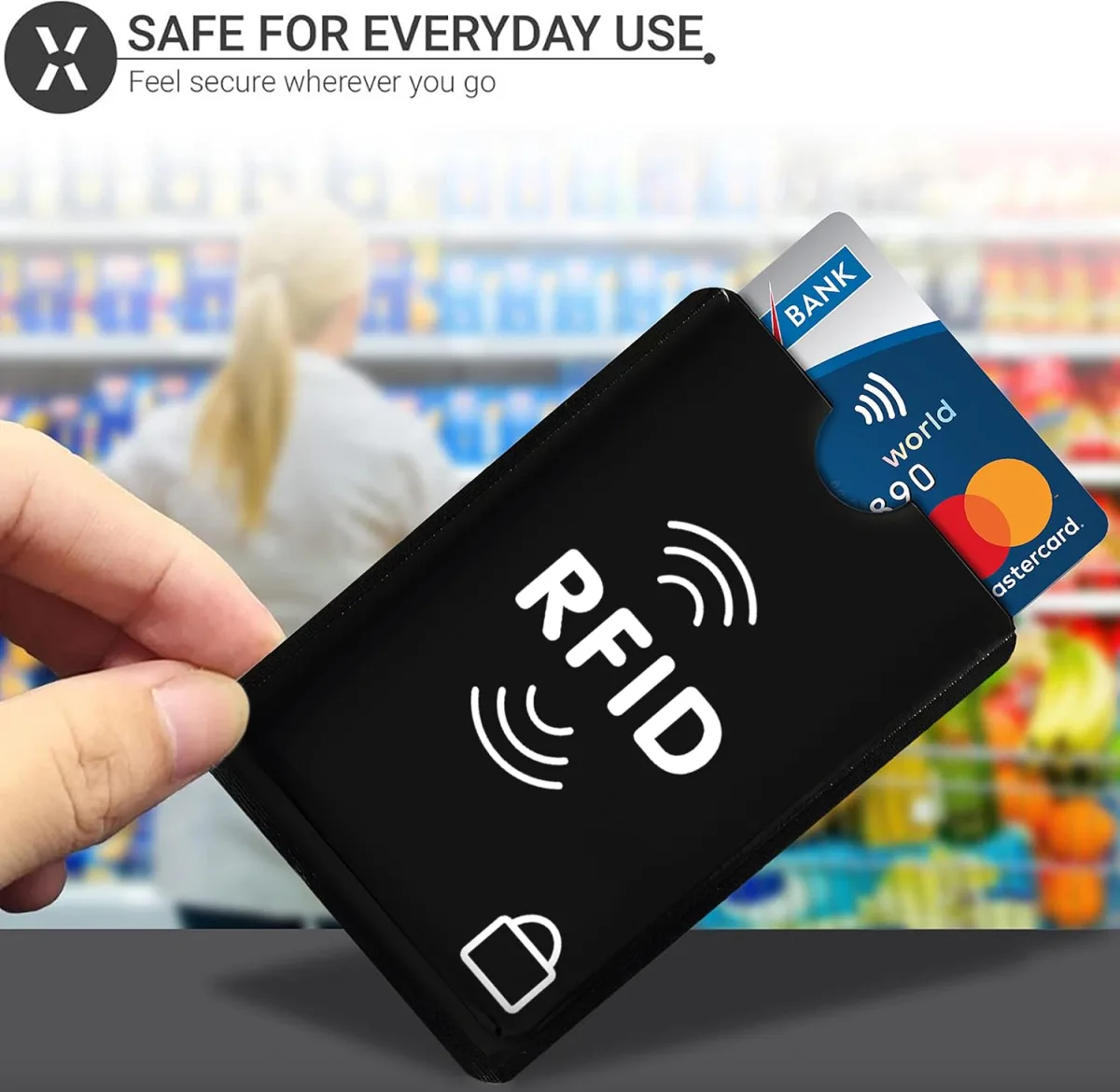
While technically possible for a sophisticated, illegal scanner to read *some* basic card information (like the card number) at extremely close range, it's highly improbable for several reasons. Firstly, the NFC range is very short (typically 2-4 cm). Secondly, even if data is read, the EMV chip ensures that it's encrypted and dynamic, rendering it useless for actual transactions without the unique, single-use token and cryptographic keys generated during a legitimate purchase.