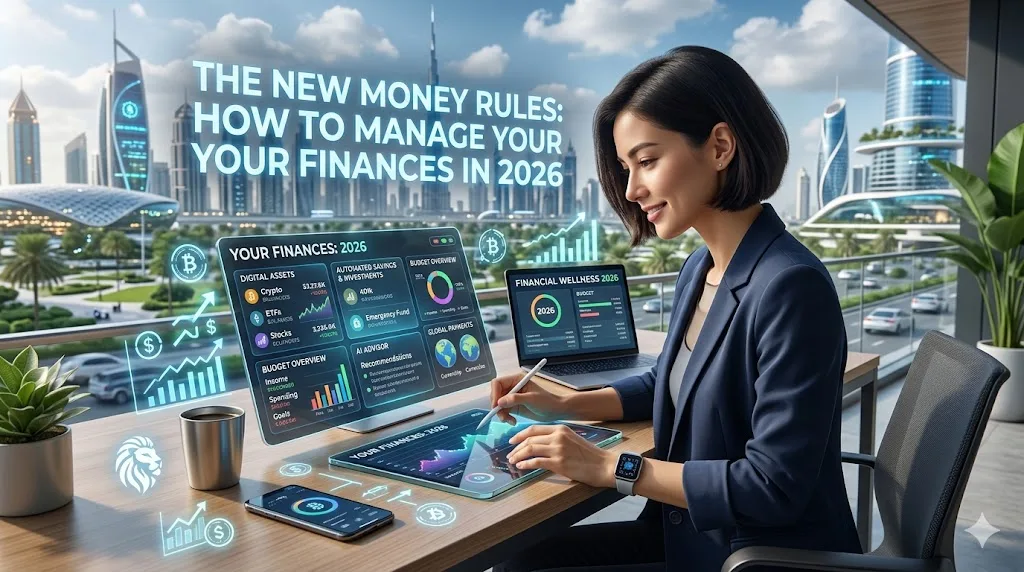
The financial world isn't waiting for anyone. It's evolving at an unprecedented pace, driven by technological leaps, shifting economic realities, and a fundamental rethink of what "money" even means. Sticking to old financial playbooks won't cut it anymore. If you're serious about securing your financial future, you need to understand and adapt to The New Money Rules: How to Manage Your Finances in 2026. This isn't just about tweaking your budget; it's about a complete paradigm shift in how we earn, save, invest, and protect our wealth.
The Economic Crossroads: Why 2026 Demands New Financial Strategies
By 2026, we’re likely to be firmly entrenched in a multi-polar global economy, grappling with persistent inflation in some sectors and deflationary pressures in others. Interest rates, while volatile, won't necessarily return to the near-zero environment many grew accustomed to. What does this mean for your money? It means that passive saving yields little, and traditional investment portfolios face new headwinds.
We're seeing a bifurcation in economic opportunity. Industries leveraging AI and automation are booming, creating high-value jobs, while others face significant disruption. For instance, the World Economic Forum projects that 69 million new jobs will emerge globally by 2027, but 83 million will be eliminated, highlighting the urgency of skill adaptation and income diversification. This volatile environment demands a more agile and informed approach to personal finance.
Consider the impact on everyday expenses. Housing affordability remains a critical concern in major urban centers, pushing many to explore alternative living arrangements or remote work opportunities in lower-cost areas. Energy costs, influenced by geopolitical events and the transition to renewables, will also continue to be a significant factor in household budgets. Understanding these macro shifts is your first step in building a resilient financial plan.
Digital Assets and Tokenization: A Core Component of Your Financial Future
Forget the speculative frenzy of the early 2020s; by 2026, digital assets aren't just a niche investment. They're becoming an integrated part of the global financial system. We're talking beyond just Bitcoin and Ethereum. Tokenized real-world assets (RWAs), from real estate to fine art, are gaining traction, offering fractional ownership and enhanced liquidity. This shift democratizes access to traditionally illiquid or high-barrier investments.
Stablecoins, pegged to fiat currencies, are already establishing themselves as efficient mediums for international transfers and digital payments. You'll find them increasingly used for everyday transactions, not just trading. For individuals, this means exploring how these assets can fit into a diversified portfolio, perhaps as a hedge against inflation or a tool for efficient wealth transfer. It's crucial, however, to approach this space with a clear understanding of its inherent risks and regulatory landscape, which continues to evolve.
Understanding CBDCs and Their Impact
Central Bank Digital Currencies (CBDCs) are also on the horizon. Many countries, including major economies, are actively researching or piloting their own digital currencies. While distinct from decentralized cryptocurrencies, CBDCs will fundamentally alter the banking system, potentially streamlining payments and increasing financial inclusion. For you, this might mean new ways to receive government benefits, pay taxes, or conduct transactions directly with the central bank, bypassing commercial banks in some instances. It's a transformative shift that could impact everything from interest rates on savings to the privacy of your financial data.
AI-Powered Personal Finance: Smarter Ways to Manage Your Money
The rise of artificial intelligence isn't just impacting tech giants; it's revolutionizing personal finance. By 2026, AI-driven tools won't just offer basic budgeting advice; they'll provide hyper-personalized financial planning, intelligent investment rebalancing, and even predictive analytics for your spending habits. Imagine an AI assistant that not only tracks your expenses but also identifies optimal times to pay bills, suggests personalized savings goals based on your future earning potential, and flags potential financial risks before they materialize.
These tools are democratizing sophisticated financial advice that was once only accessible to high-net-worth individuals. They can analyze vast amounts of market data in real-time, identifying opportunities and risks faster than any human. However, it's vital to choose platforms with robust security protocols and transparent algorithms. You'll need to understand how these tools work and ensure they align with your financial goals and risk tolerance. Are you leveraging these smart assistants to optimize your cash flow and investments? If not, you're leaving money on the table.
Income Diversification and the New Work Paradigm
The traditional 9-to-5 job is becoming less of a universal standard and more of an option. By 2026, the gig economy will have matured significantly, offering more structured opportunities beyond casual freelancing. We're talking about specialized project-based work, fractional executive roles, and the monetization of niche skills through online platforms. Having multiple income streams isn't just a luxury; for many, it's a necessity for financial stability and growth.
This paradigm shift requires a different approach to financial planning. You'll need to manage irregular income, set aside funds for self-employment taxes, and actively seek out new skill development to remain competitive. Consider how your existing skills can translate into side hustles or consulting gigs. Could you offer expertise in data analysis, content creation, or digital marketing on a project basis? The ability to pivot and adapt your income strategy will be a defining characteristic of financially savvy individuals in 2026.
Building Financial Resilience: Your Action Plan for 2026
So, what does all this mean for you? It means taking proactive steps to re-evaluate and fortify your financial position. The new money rules aren't about avoiding risk entirely; they're about understanding it and building robust defenses. Here's your action plan:
- Reassess Your Emergency Fund: With economic volatility, aim for 6-12 months of living expenses, especially if your income streams are diverse or less predictable.
- Embrace Digital Literacy: Learn about digital assets, blockchain technology, and AI in finance. You don't need to be an expert, but understanding the basics is crucial for informed decision-making.
- Diversify Beyond Traditional Assets: Explore tokenized assets, real estate crowdfunding, or private equity opportunities, alongside your stocks and bonds.
- Leverage AI Tools: Integrate AI-powered budgeting apps, investment advisors, and financial planning platforms into your routine to automate and optimize.
- Invest in Your Skills: Continuously learn and acquire new skills relevant to emerging industries. This is your best hedge against job market disruption and a direct path to income growth.
- Review Debt Strategically: High-interest debt remains a financial anchor. Prioritize paying it down while leveraging lower-interest debt for productive investments or education.
These aren't just suggestions; they're essential strategies to manage your finances in 2026 effectively. Your financial well-being hinges on adaptability and a willingness to embrace change.
The financial landscape of 2026 will reward the agile, the informed, and the proactive. The old ways of thinking about money, investment, and income are quickly becoming obsolete. By understanding these new money rules and actively integrating them into your financial strategy, you won't just survive; you'll thrive. It's time to take control, embrace innovation, and chart a confident course toward your financial future.