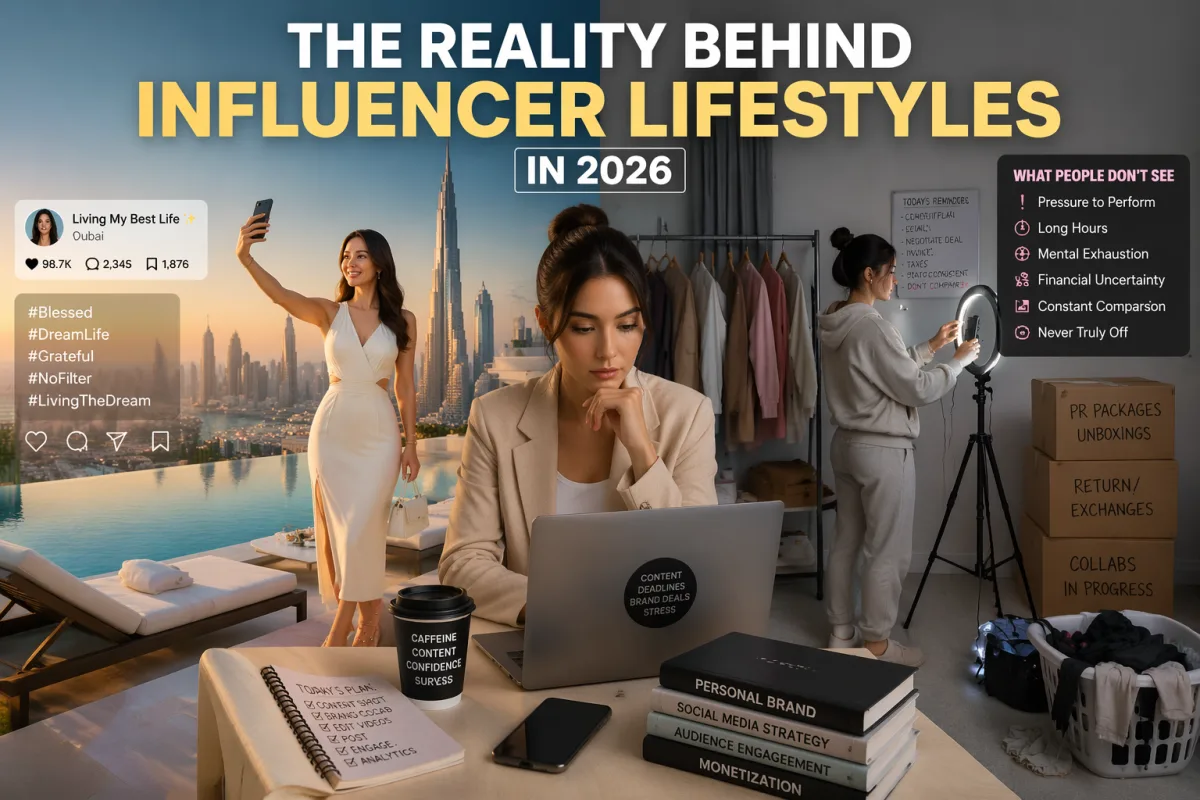
The glossy veneer of influencer life—exotic travel, designer clothes, an endless parade of sponsored products—has long captivated millions. But peel back that carefully curated layer, and you'll find a landscape far more challenging and complex than most imagine. The Reality Behind Influencer Lifestyles in 2026 isn't just about brand deals and viral moments; it's a demanding, often brutal, professional grind that has evolved dramatically over recent years.
What was once a hobby for early adopters has cemented itself as a multi-billion dollar industry, a cutthroat business requiring the strategic acumen of a CEO, the creative flair of an artist, and the resilience of an athlete. For those eyeing the creator economy, or simply curious about the people shaping our digital culture, understanding the unvarnished truth is essential.
The Relentless Content Treadmill: A 24/7 Production House
In 2026, the demand for fresh, engaging content is more intense than ever. Algorithms are hungrier, audience attention spans are shorter, and the competition is fierce. Influencers aren't just posting; they're running full-blown media operations, often single-handedly or with a tiny team.
This means constant ideation, scripting, filming, editing, and optimization across multiple platforms—from short-form vertical videos on new dominant apps to long-form deep dives on established channels. It's a never-ending cycle that leaves little room for downtime. Many creators describe it as feeling like they're always "on," fearing that a few missed posts could mean a significant drop in engagement and, ultimately, income.
Burnout isn't just a buzzword; it's an occupational hazard. A 2025 Creator Economy report by InfluencerMarketingHub indicated that over 60% of full-time creators experienced significant mental fatigue or burnout symptoms at least once a quarter. They're struggling to balance quantity with quality, constantly innovating to stay relevant in a rapidly shifting digital ecosystem.
Monetization Maze: Beyond Simple Brand Deals
While brand sponsorships remain a cornerstone of influencer income, the landscape has diversified significantly by 2026. Creators now navigate a complex web of monetization strategies, each requiring careful management and a keen understanding of their audience's value.
Here's how top creators are earning their keep:
- Subscription Models: Platforms like Patreon, Substack, and even direct website subscriptions offer exclusive content, early access, or private community perks. This provides a stable, predictable income stream directly from loyal fans.
- Direct-to-Consumer (D2C) Products: Many influencers have launched their own product lines, from cosmetics and clothing to digital courses and custom merchandise. They leverage their trusted relationship with their audience to build successful e-commerce ventures.
- Affiliate Marketing & Performance-Based Campaigns: Instead of flat fees, more brands are opting for performance-based deals, paying influencers a percentage of sales or leads generated. This shifts risk and rewards genuine influence.
- Micro-Donations & Tipping: Livestreaming platforms and content sites increasingly integrate tipping features, allowing viewers to directly support creators in real-time.
- Web3 & NFTs: A growing segment of tech-savvy creators are experimenting with NFTs for exclusive content, digital art, or community access tokens, though this remains a volatile space.
This diversification means creators must possess strong business acumen, not just creative talent. They're negotiating contracts, managing inventory, analyzing sales data, and building robust customer relationships, all while maintaining their public persona.
The Mental Toll of a Curated Life
Behind every perfectly edited photo or witty caption lies the immense pressure to maintain an aspirational image. This constant performance takes a significant toll on mental health. Influencers live under a microscope, facing relentless public scrutiny, criticism, and the ever-present threat of "cancel culture."
The line between their authentic self and their brand persona blurs, leading to identity crises and chronic anxiety. They often feel compelled to share intimate details of their lives to foster connection, yet this erodes personal boundaries and privacy. The comparison trap is also profound; constantly seeing peers' successes, real or imagined, fuels feelings of inadequacy and imposter syndrome.
The Erosion of Authenticity
The paradox of influencer marketing in 2026 is that while audiences crave authenticity, the industry demands hyper-curation. Creators often find themselves in a bind: share too much, and risk overexposure or backlash; share too little, and appear inauthentic or distant. This constant tightrope walk leads to a profound erosion of genuine self-expression, as every interaction, every post, becomes a calculated move for engagement or brand appeal. It's tough to be truly "you" when millions are watching and judging.
Niche Dominance and Hyper-Specialization
The days of generalist lifestyle influencers with broad appeal are largely behind us. In 2026, the most successful creators are hyper-specialized, deeply entrenched in niche communities. Audiences are looking for experts, relatable figures, or unique perspectives within very specific interests, whether it's sustainable urban gardening, retro gaming deep dives, or avant-garde fashion history.
This shift means creators must possess genuine expertise and passion. They're building communities around shared interests, fostering engagement through direct interaction, private forums, and even real-world meetups. Brands recognize the power of these highly engaged, targeted audiences, often prioritizing micro and nano-influencers who can deliver authentic recommendations to a dedicated following over mega-influencers with diluted reach.
It's about depth, not just breadth. A creator with 50,000 highly engaged followers passionate about fermentation techniques can be far more valuable to a niche food brand than a celebrity with millions of passive followers.
The Shifting Sands of Platform Power and Influencer Lifestyles
One of the biggest challenges influencing creator lifestyles in 2026 is the volatility of social media platforms. What's dominant today could be obsolete tomorrow. Creators witnessed the rise of TikTok, the continued evolution of Instagram, and the emergence of new vertical video and community platforms. They must constantly adapt, learn new interfaces, master new content formats, and migrate their audiences.
This lack of platform stability forces many to adopt a multi-platform strategy, diversifying their presence to avoid putting all their eggs in one algorithmic basket. They're also increasingly focusing on "owned" channels like newsletters and websites, where they have direct control over their content and audience data, reducing their reliance on third-party algorithms.
The power dynamic is also shifting. As more creators realize their collective value, they're demanding better terms, more transparency, and greater support from platforms. We're seeing the early stages of creator unions and advocacy groups pushing for fairer revenue shares and stronger protections.
What This Means For You
For aspiring influencers, the takeaway is clear: this isn't a get-rich-quick scheme or an easy path to fame. It's a legitimate, demanding career requiring a diverse skill set—from content production and marketing to business management and community building. You'll need resilience, a strong niche, and a genuine passion for what you do. Focus on building authentic connections, not just chasing virality.
For consumers, understanding the reality behind the curated feeds fosters a more critical and empathetic view. Recognize the immense work involved and the pressures creators face. Don't fall for every sponsored post, but appreciate the genuine effort behind quality content. Can you spot the difference between genuine influence and paid promotion?
For brands, the message is to prioritize authenticity and long-term partnerships. Invest in creators who genuinely align with your values and have a real connection with their audience. Performance-based metrics and clear ROI are more important than ever.
The influencer world in 2026 is a dynamic, challenging, and often rewarding space. It's a testament to human creativity and entrepreneurial spirit, but it's also a stark reminder that behind every dazzling facade lies a significant amount of hard work, strategic planning, and personal sacrifice. The glamour is real for some, but the grind is universal.