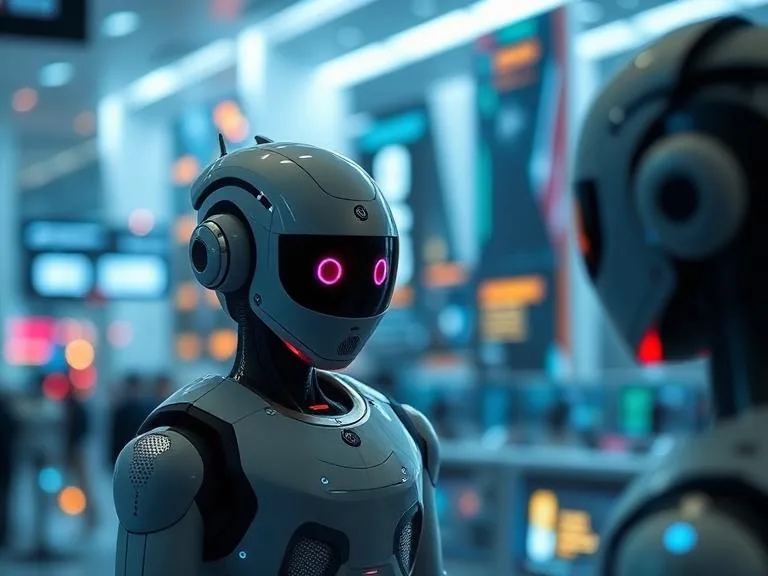
You’re waking up to a perfectly brewed coffee, your smart thermostat adjusted the temperature before you even opened your eyes, and your calendar just pinged a reminder for a meeting you’d almost forgotten. This isn’t a scene from a futuristic movie; it’s the everyday reality for millions. The Rise of Intelligent Systems in Daily Life isn't a slow creep; it's a profound transformation, reshaping how we interact with our homes, our work, and the world around us. These systems, once relegated to the realm of science fiction, now perform countless tasks, offering convenience, efficiency, and a level of personalization we never thought possible.
From Niche Gadgets to Ubiquitous Assistants
It wasn't long ago that "smart technology" felt like a novelty, a luxury for early adopters. We saw robotic vacuums stumble around living rooms and clunky voice assistants struggle with basic commands. Fast forward to today, and intelligent systems have become indispensable. Devices like Amazon Echo, Google Home, and Apple HomePod now anchor smart homes, controlling everything from lighting and security to entertainment and climate.
Consider the smart thermostat, for instance. Nest, a pioneer in this space, didn't just offer remote control; it learned our habits, understood our preferences, and optimized energy usage without constant input. This shift from simple automation to adaptive intelligence marks a crucial difference. These systems aren't just executing commands; they're anticipating needs and making autonomous decisions based on data and learned patterns. Statista projects the global smart home market will reach over 135 billion U.S. dollars in 2023, a testament to their widespread adoption and continued growth.
Beyond our homes, intelligent systems are in our cars, helping us navigate traffic and park effortlessly. They’re in our wearables, tracking our health metrics and prompting us to move more. We've moved past mere gadgets; we're embracing integrated ecosystems that actively participate in our daily routines, making them smoother and more responsive.
Intelligent Systems Redefining Our Routines and Workflows
The true power of intelligent systems lies in their ability to streamline, personalize, and optimize. They're not just tools; they're active participants in our daily rhythms, altering how we manage tasks, consume information, and even how we work.
Think about your morning commute. Intelligent navigation apps don't just give directions; they analyze real-time traffic, predict delays, and suggest alternative routes, saving us precious minutes. At work, intelligent automation tools handle repetitive tasks, freeing up human employees for more complex, creative problem-solving. This isn't just about speed; it's about shifting the very nature of human effort from monotonous operations to strategic thinking.
Personalized Experiences and Predictive Power
One of the most impactful aspects of intelligent systems is their capacity for personalization. Streaming services like Netflix and Spotify leverage sophisticated algorithms to recommend content tailored precisely to our tastes. This isn't guesswork; it's data-driven insight into our preferences, creating a truly bespoke experience.
Similarly, in healthcare, intelligent systems are moving beyond simple fitness tracking. Wearable devices now monitor heart rates, sleep patterns, and even detect early signs of health issues, providing personalized insights and alerts. This predictive power extends to maintenance in industrial settings, where sensors embedded in machinery predict potential failures before they occur, preventing costly downtime. These systems learn from vast datasets, identifying subtle patterns that humans might miss, offering a proactive approach to everything from entertainment to critical infrastructure.
The Data Engine Driving Intelligent Systems
At the core of every intelligent system lies data. It's the fuel that powers their learning, adaptation, and decision-making capabilities. Sensors embedded in our devices, homes, and cities continuously collect information – everything from temperature readings and motion detection to purchasing habits and biometric data.
This massive influx of information, often termed "big data," allows systems to identify patterns, make correlations, and predict outcomes with increasing accuracy. When your smart speaker learns your favorite morning news briefing or your streaming service knows which genre you prefer on a Friday night, it's because it's processed your past interactions and preferences. The more data these systems analyze, the "smarter" they become. This continuous feedback loop refines their algorithms, making them more efficient and intuitive over time. It's a trade-off, of course: we're often exchanging personal data for unparalleled convenience and personalized experiences. Understanding this exchange is crucial as these systems become even more integrated into our lives.
Navigating the Ethical Landscape of Intelligent Systems
While the benefits of intelligent systems are undeniable, their rapid integration into our lives also presents complex ethical challenges. Questions around privacy, data security, and algorithmic bias demand our attention. Who owns the data collected by our smart devices? How secure is it from malicious actors? Are we ready for a world where algorithms make critical decisions that impact our credit scores, job applications, or even medical treatments?
Bias in algorithms is a particularly thorny issue. If the data used to train an intelligent system reflects existing societal biases, the system itself can perpetuate and amplify those inequalities. We've seen examples where facial recognition software performs poorly on certain demographics or where hiring algorithms inadvertently favor specific groups. As these systems gain more autonomy, ensuring transparency, accountability, and fairness in their design and deployment becomes paramount. We need robust regulatory frameworks and a collective commitment to ethical development to harness their power responsibly.
What the Rise of Intelligent Systems Means for You
The proliferation of intelligent systems isn't just a technological trend; it's a fundamental shift in how we live and interact with technology. For you, this means a future characterized by enhanced convenience, personalized services, and increased efficiency. However, it also means a greater responsibility to understand the tools you use.
- Educate Yourself: Take time to understand how your smart devices work, what data they collect, and how to manage your privacy settings. Don't simply accept default options.
- Develop New Skills: While some jobs may change, new opportunities will emerge. Cultivate skills like critical thinking, problem-solving, and adaptability – qualities intelligent systems can't replicate.
- Demand Transparency: As a consumer, you have the power to advocate for ethical design and data privacy. Support companies that prioritize these values.
- Balance Convenience with Awareness: Enjoy the benefits these systems offer, but maintain a healthy skepticism. Question how decisions are made and if the benefits outweigh potential risks.
You're not just a passive recipient of this technology; you're an active participant. Your choices and awareness shape the future of these systems.
The profound integration of intelligent systems into our daily existence marks a pivotal moment in human history. From automating mundane tasks to offering life-saving health insights, these technologies are fundamentally reshaping our world. We're moving towards an era where our environments are not just reactive but proactive, anticipating our needs and learning from our behaviors. This journey isn't without its complexities, presenting both immense opportunities and significant challenges. Our collective responsibility lies in guiding this evolution thoughtfully, ensuring these powerful tools serve humanity's best interests, creating a future that is not just smarter, but also more equitable and secure.