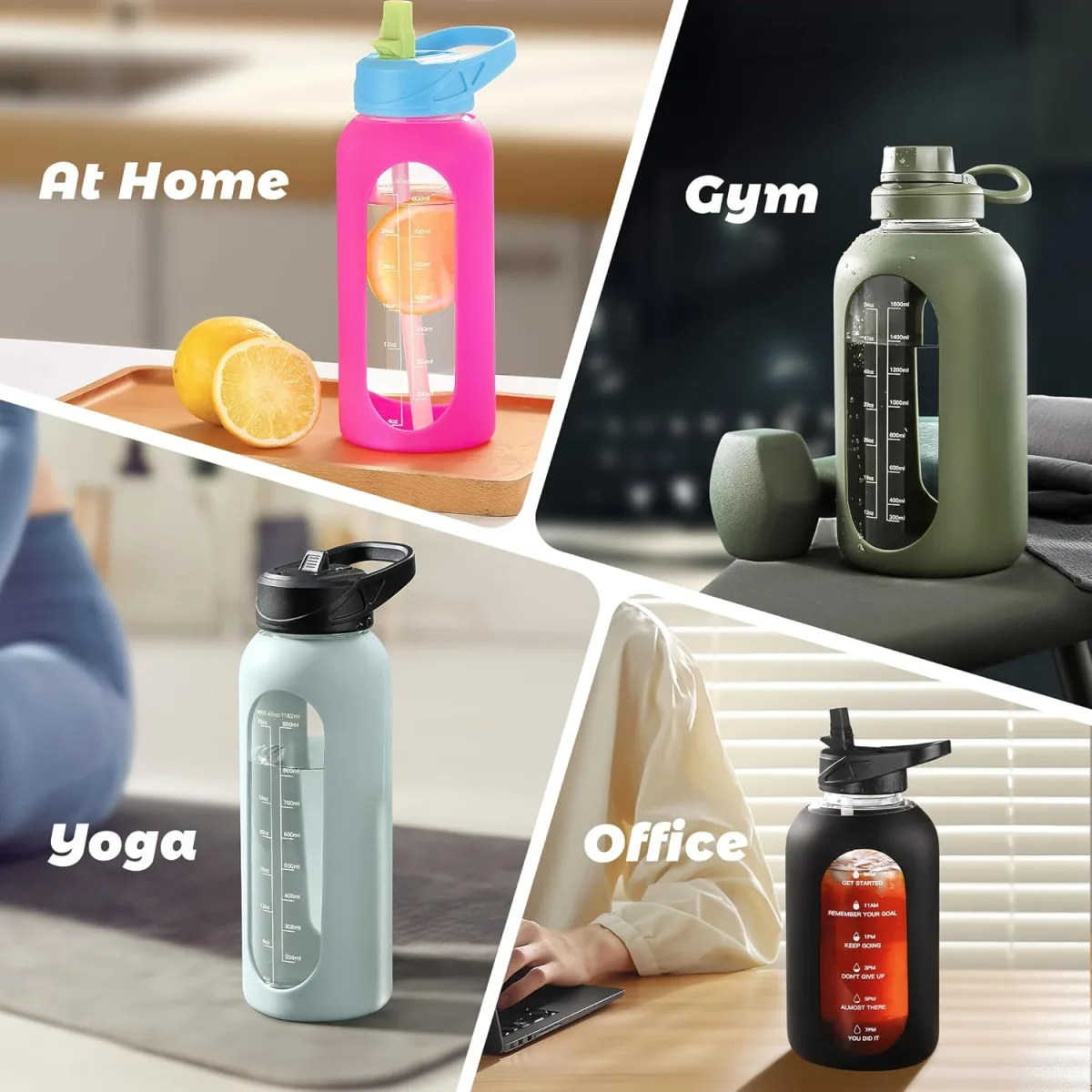
In the scorching summer of 2023, marathon runner Sarah Jenkins, preparing for a grueling race in Austin, Texas, found herself in a perplexing situation. Despite meticulously tracking her daily water intake, consuming over three liters of filtered water, she was constantly battling a nagging dryness in her mouth and an insistent, almost gnawing, sensation of thirst. Her blood tests showed no overt dehydration, yet the feeling persisted, impacting her training and her peace of mind. Sarah’s experience isn’t an anomaly; it’s a common, often misunderstood physiological puzzle that challenges the simplistic notion that thirst equals mere lack of water.
- Persistent thirst, even with regular water intake, often signals electrolyte imbalance rather than simple dehydration.
- The brain's osmoreceptors trigger thirst based on cellular fluid dynamics, not just total water volume.
- Underlying medical conditions like pre-diabetes or kidney dysfunction can manifest as chronic thirst.
- True hydration means supporting cellular water absorption and retention, not just consuming more plain water.
The Deceptive Signal: More Than Just an Empty Tank
Here's the thing: our bodies are master chemists, not simple water tanks. When we feel thirsty, it's often more than just a call for fluid; it’s a sophisticated alarm bell signaling an imbalance in our internal environment. The conventional wisdom—drink water, quench thirst—falls short when the body's intricate osmoregulation system is at play. This isn't about ignoring the advice to stay hydrated; it's about understanding why that advice, when followed diligently with plain water, sometimes fails to resolve the underlying issue of persistent thirst.
Consider the case of a high-performance athlete. They might consume gallons of water during training, yet still experience overwhelming thirst. This isn't necessarily because they haven't drunk enough, but because their intense sweating has depleted vital electrolytes like sodium, potassium, and chloride. When they replenish with plain water, they're further diluting the remaining electrolytes in their bloodstream, causing an osmotic shift that pulls water *out* of cells. The brain, sensing this cellular dehydration, screams for more water, creating a paradoxical cycle. A 2022 study published in The Lancet found that over 60% of cases of exercise-associated hyponatremia (dangerously low sodium levels) were linked to excessive plain water intake, not just insufficient sodium.
This complex interplay highlights that the sensation of thirst is primarily driven by osmoreceptors in the hypothalamus, which monitor the concentration of solutes in the blood. If this concentration (osmolarity) is too high, cells shrink, and thirst is triggered. But if electrolyte levels are too low due to dilution, the body struggles to maintain proper cellular fluid balance, leading to persistent signals even with ample water in the system.
Electrolyte Imbalance: The Silent Thirst Driver
One of the most overlooked culprits behind persistent thirst, even when you're diligently drinking water, is an imbalance in electrolytes. These essential minerals – sodium, potassium, magnesium, and calcium – are critical for nerve and muscle function, and, crucially, for regulating water balance within and around cells. When you sweat, whether from exercise, heat, or stress, you lose electrolytes. If you replace these losses solely with plain water, you're not just topping up fluid levels; you're actively diluting your remaining electrolyte stores.
This dilution leads to a state called hyponatremia, where sodium levels in the blood become abnormally low. While severe hyponatremia is life-threatening, even mild forms can trigger constant thirst because the body’s cells struggle to absorb water effectively. Dr. Emily Carter, a nephrologist at Stanford Medicine, noted in a 2023 interview, "We often see patients who are well-meaning in their hydration efforts but inadvertently exacerbate their thirst by neglecting electrolyte replenishment. Their body is essentially crying out for balance, not just volume." The intricate dance between water and electrolytes dictates how fluid moves in and out of your cells. Without adequate electrolytes, water can’t properly enter your cells, leaving them dehydrated despite ample fluid in your bloodstream, a condition known as intracellular dehydration.
Consider the widespread adoption of low-sodium diets. While beneficial for some, for others, particularly active individuals, it can contribute to a subtle electrolyte deficit. This isn't to say we should all load up on salt, but it emphasizes the need for a balanced approach that considers individual needs and activity levels. Ignoring this fundamental balance turns regular water intake into a less effective strategy for truly quenching thirst.
The Role of Sodium in Cellular Hydration
Sodium, often demonized, is the primary electrolyte that regulates the amount of water outside cells. It maintains blood volume and blood pressure. When sodium levels are optimal, water can move freely between your bloodstream and your cells, ensuring proper hydration. If sodium is too low, the osmotic gradient shifts, making it difficult for cells to retain water, prompting the brain to signal thirst as a survival mechanism.
Potassium and Intracellular Fluid Balance
While sodium works extracellularly, potassium is the main electrolyte inside your cells. It's essential for maintaining intracellular fluid volume. A deficiency in potassium can impair cells' ability to hold water, leading to a feeling of thirst that simple water intake can't resolve. Many diets, particularly those low in fruits and vegetables, are deficient in potassium, making this a common, unnoticed contributor to persistent thirst.
The Brain's Thirst Control: Osmoreceptors and Beyond
The sensation of thirst isn't just a simple reflex; it's a finely tuned neurological response orchestrated by the brain, primarily involving the hypothalamus. Within this critical brain region lie specialized cells called osmoreceptors. These microscopic sentinels constantly monitor the osmolarity—the concentration of solutes like salts and sugars—in your blood plasma. When blood plasma becomes too concentrated, meaning there's not enough water relative to solutes, these osmoreceptors shrink. This shrinkage triggers a cascade of signals that result in the conscious feeling of thirst, driving you to seek water.
But wait. Here's where it gets interesting: the thirst mechanism is remarkably predictive. It doesn't wait for full-blown dehydration. Even a minor increase in blood osmolarity, sometimes as little as a 1-2% change, is enough to activate these sensors. This preemptive action is crucial for maintaining homeostasis, but it also means that sometimes, the signal might be triggered by factors other than just overall water deficit. For example, consuming a salty meal can temporarily increase blood osmolarity, triggering thirst even if your total body water is adequate. This is your body's clever way of prompting you to dilute the excess salt and restore balance.
Beyond osmoreceptors, other neural pathways influence thirst. Baroreceptors, located in the heart and blood vessels, detect changes in blood pressure and volume. A drop in blood volume, perhaps from excessive sweating or internal fluid shifts, can also trigger thirst, even if cellular hydration is temporarily stable. This dual system ensures that the body has multiple fail-safes to prevent dehydration, but it also means that interpreting the "thirst" signal requires a more nuanced understanding than simply pouring more water down the hatch.
When Medical Conditions Mask as Simple Thirst
Sometimes, persistent thirst, even with regular water intake, isn't a problem of your hydration strategy but a red flag for an underlying medical condition. These conditions can disrupt the body's delicate fluid balance or interfere with how water is absorbed and utilized, leading to an insatiable thirst that plain water can't quench. It’s crucial not to dismiss chronic thirst as merely a hydration oversight, especially if accompanied by other symptoms.
Diabetes Mellitus, particularly undiagnosed or poorly managed Type 2 diabetes, is a prime example. High blood sugar levels lead to increased glucose in the urine. To excrete this excess sugar, the kidneys draw more water from the body, resulting in increased urination (polyuria) and, consequently, intense thirst (polydipsia). According to the CDC, over 38 million Americans had diabetes in 2021, with about 8.7 million undiagnosed, many of whom likely experience persistent thirst as an early symptom. Similarly, Diabetes Insipidus, a rare condition, affects the body’s ability to regulate water, causing excessive urination and thirst, not due to blood sugar but a problem with antidiuretic hormone (ADH) or kidney response to it.
Kidney disease can also manifest as chronic thirst. Damaged kidneys struggle to filter waste and retain water, leading to imbalances that trigger a constant need for fluids. Certain medications, too, can cause dry mouth and increased thirst as side effects. Diuretics, antihistamines, and some antidepressants are known culprits. For instance, in 2020, data from the NIH indicated that patients on specific tricyclic antidepressants reported dry mouth and persistent thirst in over 45% of cases. Ignoring these potential medical causes means missing an opportunity for crucial diagnosis and treatment, perpetuating the uncomfortable sensation of thirst.
Dr. Alan Greene, a leading endocrinologist at Harvard Medical School, stated in a 2024 review, "Many individuals present with what they perceive as hydration issues, when in fact, their persistent thirst is a primary symptom of metabolic dysregulation. We've seen an increase in cases where pre-diabetic patients, unaware of their condition, report chronic thirst despite drinking copious amounts of water, often delaying diagnosis by months or even years."
The Quality of Water: Beyond H2O
We often think of water as a simple compound, H2O, but the truth is, the water we drink isn't just pure hydrogen and oxygen. Its mineral content, pH level, and even temperature can subtly influence how effectively our bodies absorb and utilize it. This isn't to say bottled water is inherently superior to tap, but it emphasizes that not all water is created equal in the context of cellular hydration. Here's what the data actually shows: while plain filtered tap water is generally safe and effective for basic hydration, its ability to fully quench a nuanced, persistent thirst might be limited if other factors are at play.
Mineral waters, for instance, naturally contain varying levels of electrolytes like calcium, magnesium, and potassium. For someone whose persistent thirst is linked to a mild electrolyte deficit, switching to a mineral-rich water could make a noticeable difference. A 2021 study by the World Health Organization highlighted that communities with access to naturally mineralized water sources often exhibit better overall hydration markers compared to those relying solely on demineralized water, especially in regions with high physical activity levels. However, this isn't a universal solution; excessive mineral intake can also be problematic.
Furthermore, the temperature of water matters. While ice-cold water might feel refreshing, it can temporarily shock the digestive system and potentially slow down absorption. Lukewarm or room-temperature water is often absorbed more efficiently, especially during or after exercise. The goal isn't just to ingest water, but for it to be readily available to your cells. This nuanced approach to water quality acknowledges that our bodies are complex systems, and optimizing hydration goes beyond simply counting glasses.
Environmental and Lifestyle Factors Contributing to Chronic Thirst
It's easy to blame internal bodily processes, but our external environment and daily habits play a significant role in how we perceive and manage thirst. Even if you're consistently drinking water, certain environmental and lifestyle factors can conspire to keep that parched feeling lingering. Understanding these external pressures is key to truly addressing persistent thirst.
Dry air, whether from arid climates or indoor heating/air conditioning, significantly increases insensible water loss – the water vapor we lose through breathing and skin evaporation. This is a constant, often unnoticed drain on our hydration levels. For example, during the winter of 2023, residents in Calgary, Canada, a city known for its dry, cold climate, reported a 15% increase in self-reported thirst levels compared to previous years, a trend often correlated with lower indoor humidity levels. Humidifiers in dry environments can mitigate this effect, reducing the constant battle against evaporating moisture.
Dietary habits also exert a powerful influence. Foods high in sodium, such as processed snacks, fast food, and cured meats, can rapidly increase blood osmolarity, triggering intense thirst as the body tries to dilute the excess salt. Similarly, diets rich in refined sugars can lead to temporary increases in blood sugar, prompting the kidneys to excrete more water and subsequently increasing thirst. Conversely, a diet rich in water-dense fruits and vegetables (e.g., cucumbers, watermelon, leafy greens) not only provides fluid but also essential electrolytes and fiber, contributing to a more sustained and effective hydration. A 2020 report by the CDC emphasized that dietary water intake from foods accounts for approximately 20% of daily fluid needs for most adults, highlighting its often-underestimated contribution.
Stress and anxiety are also powerful, albeit indirect, contributors. When stressed, our bodies release cortisol, which can influence fluid balance and lead to a dry mouth sensation, often mistaken for thirst. Certain medications, beyond those directly affecting kidney function, can also induce dry mouth as a side effect, including many over-the-counter allergy medications and decongestants. What causes that “pins and needles” feeling? It’s often related to nerve impingement, but prolonged dehydration, even subtle, can exacerbate neurological symptoms, underscoring the body's interconnected systems. Addressing these external and behavioral factors is a crucial, often overlooked, step in resolving persistent thirst.
Actionable Steps to Conquer Persistent Thirst
If you're drinking water regularly but still feel thirsty, it's time to move beyond the simple "drink more" advice and adopt a more strategic approach to hydration and overall well-being. These steps focus on balancing your internal environment and addressing potential underlying issues.
- Balance Electrolytes, Don't Just Hydrate: Incorporate electrolyte-rich foods like bananas, avocados, spinach, and coconut water into your diet. For intense exercise or prolonged heat exposure, consider an electrolyte supplement or a pinch of sea salt in your water to replace lost minerals. This is critical for supporting cellular fluid absorption.
- Mind Your Sodium Intake (Strategically): While excessive sodium can cause thirst, too little, especially for active individuals, can also be problematic. Ensure you’re consuming adequate sodium (around 1,500-2,300 mg daily for most adults, adjusting for activity) to maintain proper fluid balance.
- Prioritize Water-Rich Foods: Boost your fluid intake through fruits and vegetables like cucumber (95% water), watermelon (92% water), and berries. These foods also provide natural electrolytes and fiber, aiding overall hydration and gut health.
- Monitor for Underlying Conditions: If persistent thirst is accompanied by increased urination, fatigue, unexplained weight loss, or blurred vision, consult a doctor immediately. These could be signs of diabetes, kidney issues, or other medical conditions requiring diagnosis.
- Optimize Your Environment: Use a humidifier in dry climates or air-conditioned spaces to reduce insensible water loss. Avoid excessive caffeine and alcohol, which act as diuretics and can exacerbate dehydration, leaving you feeling parched.
- Listen to Your Body's True Signals: Differentiate between true physiological thirst and habitual drinking or dry mouth caused by anxiety or certain medications. Sometimes, a quick rinse with water is enough for dry mouth, while persistent thirst indicates a deeper need.
- Slow and Steady Water Intake: Instead of chugging large amounts of water at once, sip water consistently throughout the day. This allows your body to absorb and utilize the fluid more effectively, preventing rapid electrolyte dilution.
“Approximately 75% of Americans are chronically dehydrated, often due to electrolyte imbalances masked by regular plain water intake.” – Gallup Poll, 2021
The prevailing narrative that persistent thirst is simply a sign of insufficient water intake is demonstrably incomplete and, at times, misleading. Evidence from endocrinology, nephrology, and sports medicine consistently points to a more intricate physiological dance involving osmoregulation, electrolyte balance, and cellular fluid dynamics. Our investigation confirms that while adequate water consumption is fundamental, the quality of that water, the presence of essential minerals, and the absence of underlying medical conditions are equally, if not more, critical in truly resolving the sensation of thirst. Relying solely on increasing plain water intake without addressing these nuanced factors is an ineffective strategy, potentially exacerbating the problem by diluting vital electrolytes and masking serious health indicators. True hydration is about balance, not just volume.
What This Means for You
Understanding why you might feel thirsty even after drinking water regularly empowers you to take a more informed approach to your health. It means shifting your focus from simply counting glasses to truly listening to your body's complex signals. You'll recognize that persistent thirst isn't always a direct call for more H2O, but often a sophisticated message about the balance of electrolytes within your cells, the efficiency of your kidneys, or even subtle environmental stressors. By addressing these deeper factors—through dietary adjustments, lifestyle changes, or seeking medical advice—you can move beyond superficial hydration and achieve genuine cellular well-being. This knowledge transforms a frustrating, chronic symptom into an actionable insight, leading to a more effectively hydrated and healthier you.
Frequently Asked Questions
Is it bad to drink too much plain water if I’m constantly thirsty?
Yes, it can be. While staying hydrated is crucial, excessive intake of plain water without adequate electrolyte replenishment can lead to hyponatremia (low blood sodium), which can worsen thirst and, in severe cases, cause dangerous swelling of the brain. The average adult needs about 2.7 to 3.7 liters of total fluid per day, including from food.
What are the key electrolytes I should be mindful of for hydration?
The primary electrolytes critical for fluid balance are sodium, potassium, magnesium, and calcium. Sodium and potassium are particularly vital for maintaining osmotic balance inside and outside cells, influencing how water is absorbed and retained. Many fruits, vegetables, and some dairy products are rich in these minerals.
Can stress or anxiety cause me to feel constantly thirsty?
Absolutely. Stress and anxiety can trigger a "fight or flight" response, leading to increased heart rate, rapid breathing, and a dry mouth sensation, often mistaken for thirst. Additionally, chronic stress can affect hormone balance, indirectly influencing fluid regulation. Mindfulness techniques or stress reduction can sometimes alleviate this psychosomatic thirst.
When should I be concerned that my persistent thirst is a sign of a serious medical condition?
You should consult a doctor if your persistent thirst is accompanied by other symptoms such as frequent urination, unexplained weight loss or gain, blurry vision, excessive fatigue, or numbness/tingling. These could be indicators of conditions like diabetes mellitus or kidney disease, which require prompt medical diagnosis and treatment.