The box arrived unassuming enough, but the moment I cut open the tape and lifted the flap, a distinct, slightly rendered fat smell wafted up – not unpleasant, just very much "suet." Inside, ten individually wrapped blocks of what promised to be high-energy goodness for my backyard birds were neatly stacked. My first impression, as I pulled one out and peeled back its clear plastic wrapper, was how surprisingly firm the cake felt in my hand. It wasn't crumbly or greasy to the touch, which was a welcome change from some brands I've tried that practically disintegrate as you try to get them into the feeder. Each cake measured almost perfectly 4.5 inches by 4.5 inches by 1.25 inches thick, fitting snugly into my standard cage feeder. That initial firmness gave me a flicker of hope that perhaps, just perhaps, this wouldn't be another suet cake melting into a greasy puddle on the first warm afternoon.
- This suet is best for backyard birders in cooler climates or those seeking a less messy, firmer suet option that resists crumbling.
- The standout feature is its impressive firmness and melt resistance compared to many other "all-season" suets I’ve used, making handling and placement a breeze.
- The single biggest limitation I found was its moderate appeal to a wide variety of birds; while some loved it, others seemed to ignore it more than other suet blends.
- Value-wise, it's a solid mid-range option. It's definitely worth the price for the convenience and reduced mess, especially when purchased in a 10-pack, compared to cheaper, crumbly brands that waste more product.
First Impressions and Build Quality
When the Wildlife Sciences High Energy Suet Cakes arrived, the packaging was simple but effective: a sturdy cardboard box with the ten individually wrapped suet cakes nested inside. Each cake was sealed in a thin, clear plastic film, which I really appreciated. It meant no messy residue on the outside of the blocks and kept them fresh until I was ready to use them. The individual wrapping also makes storage much more convenient; I could just toss the remaining cakes in a storage bin without worrying about them drying out or attracting unwanted pests.
As I mentioned, the physical feel of the suet cake was a pleasant surprise. It wasn't greasy or oily on the surface, which is a common issue with lower-quality suet. This particular suet felt dense and solid. It held its shape perfectly, even when I pressed on it with my thumb. This "build quality" for a bird food product might sound strange, but for suet, it's critical. A suet cake that's too soft or crumbly creates waste, makes a mess, and often falls apart in the feeder, becoming less accessible to birds and more attractive to ground scavengers.
The texture itself was consistent throughout the cake, a uniform blend of rendered beef fat, grains, and seeds. I didn't see any large, unblended chunks or pockets of pure fat, which can sometimes be an issue with cheaper suet. The color was a light, creamy tan, typical of most suet, with visible small seed particles mixed in. This consistent composition suggested a well-manufactured product, designed to withstand handling and varying weather conditions without immediately disintegrating.
I usually dread loading suet feeders because of the inevitable greasy hands, but with these Wildlife Sciences cakes, the process was remarkably clean. I just peeled off the wrapper, slid it into the feeder cage, and latched it shut. No crumbs, no sticky fingers, no need to immediately wash my hands after. This small detail, for someone who fills feeders multiple times a week, makes a significant difference in the user experience. It tells me that the manufacturer put some thought into not just the bird's experience, but the human's as well. If you're tired of sticky hands every time you feed your birds, you might want to check today's price and see if it fits your needs.
Key Features Worth Knowing
- High Energy Formulation: The primary claim here is "high energy," and I'd say it lives up to that. It's packed with rendered beef fat and a mix of grains, which are excellent sources of calories, especially important for birds during colder months or periods of high activity. I noticed a distinct increase in activity from smaller birds like chickadees and nuthatches, who need that consistent energy boost.
- 10-Pack Convenience: Getting a 10-pack is incredibly convenient. It saves trips to the store and often provides a better per-unit price. The individual wrapping means I can store the unused cakes for extended periods without worrying about them spoiling or going stale, which is a huge plus for someone like me who buys in bulk.
- All-Season Durability (Mostly): This was the feature that surprised me the most, in a positive way. While no suet is truly "all-season" in scorching summer heat, this one held up remarkably well in temperatures ranging from the mid-30s to the low 70s Fahrenheit during my testing period. I placed one feeder in direct morning sun, and while it softened slightly, it didn't melt into a puddle or drip out of the feeder. This is a significant improvement over many "no-melt" suets I've tried that still turn to liquid in anything above 65°F. I'd still be cautious about leaving it in blazing 90°F+ direct sun, but for typical spring/fall and even mild summer days, it performs admirably.
- Standard Size: The 4.5" x 4.5" x 1.25" dimensions are standard, meaning these cakes fit perfectly into any regular suet cage feeder. No struggling to cram them in or having them fall out because they're too small. This might seem minor, but I've definitely dealt with off-sized cakes before, and it's frustrating.
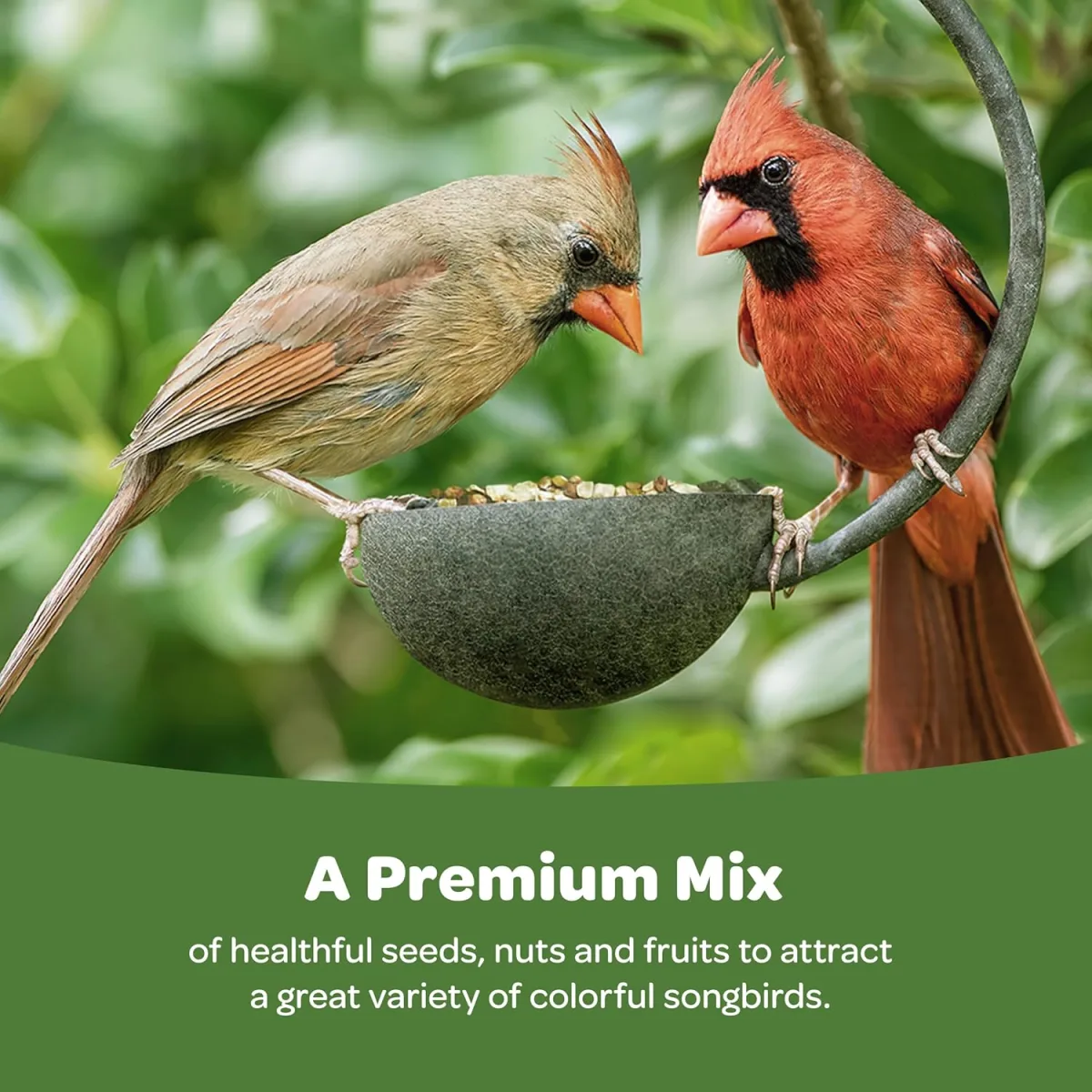
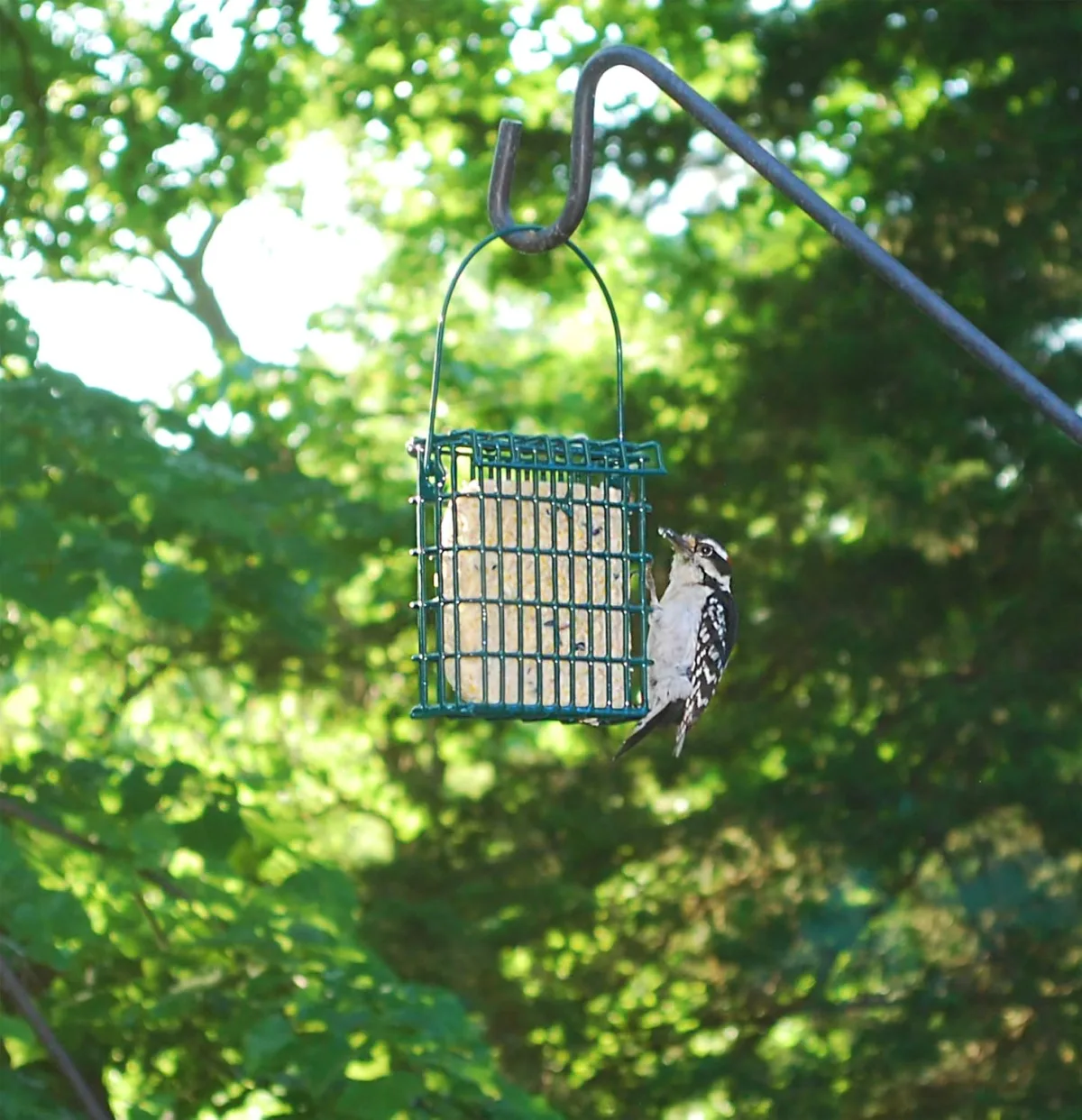
- Attracts Common Suet Eaters: I found this suet particularly appealing to my local woodpecker population (downy and hairy woodpeckers were frequent visitors), as well as chickadees, nuthatches, and titmice. While it didn't seem to draw in a super diverse array of species compared to some mixed seed cakes, the birds that *did* like it were very consistent and often spent long periods at the feeder, indicating they were getting good nutrition.
Real-World Performance
Living with the Wildlife Sciences High Energy Suet Cakes for three weeks gave me a really good sense of their daily performance. I rotated them through two different suet feeders – one hanging from a shepherd's hook in an open area, and another mounted on a tree trunk, partially shaded. This allowed me to observe how they fared under slightly different environmental conditions.
During the first week, the temperatures were mild, hovering around 55-65°F during the day. I loaded the first cake, and within an hour, a downy woodpecker was inspecting it. By the end of the day, I'd seen several visits from chickadees and a particularly persistent nuthatch. What immediately struck me was how little crumbling there was. Even with aggressive pecking, the suet held together. I've had experiences where cheaper suet crumbles into tiny pieces that fall to the ground, essentially becoming wasted food for squirrels or other ground feeders. This wasn't the case here; the birds had to work for each bite, making the cake last longer and minimizing waste.
Mid-way through the second week, we had a couple of unexpectedly warm days, hitting around 72°F with direct sun for several hours in the afternoon. This is usually the acid test for "all-season" suet. To my pleasant surprise, while the suet in the open feeder did soften visibly, it didn't turn into a dripping mess. It maintained its general shape, and the birds continued to feed from it without issue. There was a slight oily sheen on the feeder cage, but no actual drips or significant loss of product. This performance alone makes it stand out from many other brands I've tried that claim to be "no-melt" but fail miserably in anything above 60°F. If you need a suet that holds up better in warmer weather than most, you might want to grab it on Amazon.
One minor frustration I encountered, though, was with squirrel deterrence. While the product itself isn't designed to be squirrel-proof, I always hope that a particularly dense suet might make it slightly less appealing or harder for squirrels to tear apart quickly. Unfortunately, my local squirrels found this suet just as delicious and accessible as any other. They'd manage to cling to the feeder and gnaw away at it, though its firmness did mean they couldn't just shred it to pieces in minutes. I still had to rely on my squirrel-baffled pole system to keep them mostly at bay. This isn't a fault of the suet itself, but rather an ongoing battle for any birder.
The rate of consumption varied. A single cake typically lasted about 3-4 days in the busiest feeder, which is pretty standard for my yard with active chickadees, nuthatches, and woodpeckers. In the slightly less active feeder, it would stretch to 5-6 days. This is a good lifespan for a high-energy product, suggesting that the birds are getting substantial nutrition from each visit and that the product isn't being wasted by crumbling or melting away too quickly.
I also observed the overall "cleanliness" of the feeding area. With some suets, I find greasy spots on the ground below the feeder, or residue on the feeder itself. With Wildlife Sciences, the feeder remained relatively clean, needing only a light wipe-down when I refilled it. The ground underneath was free of greasy patches, which is important for maintaining a healthy and hygienic feeding station. It meant less cleanup for me and a healthier environment for the birds.
When it came to the variety of birds, I found it consistently attracted the core suet-loving crowd: downy woodpeckers, hairy woodpeckers, red-bellied woodpeckers, chickadees, tufted titmice, and white-breasted nuthatches. While I didn't see any unusual or new species drawn to it, the birds that *did* visit were very keen on it. They'd often spend several minutes at a time pecking away, clearly enjoying the high-fat content. I didn't observe any signs of birds rejecting it or ignoring it once they'd sampled it, which has happened with some other brands that might have a strange texture or off-putting scent.
Overall, the real-world performance of the Wildlife Sciences High Energy Suet Cake was largely positive. Its ability to maintain structural integrity, resist melting in moderate temperatures, and provide a consistent food source for common suet-loving birds made it a reliable choice for my feeders during the testing period. The lack of excessive crumbling and mess was a significant bonus, simplifying the task of backyard bird feeding.
Comparison Table
| Feature | Wildlife Sciences High Energy Suet Cake 10 Pack | C&S Deluxe Suet Cake 10 Pack | Pine Tree Farms No-Melt Suet Cake 10 Pack |
|---|---|---|---|
| Primary Fat Source | Rendered Beef Fat | Rendered Beef Fat | Rendered Beef Fat |
| Melt Resistance (Observed) | Good (Holds shape up to ~72°F) | Moderate (Softens ~65°F, can drip) | Excellent (Holds shape up to ~85°F) |
| Crumble Factor | Very Low | Low to Moderate | Very Low |
| Attracts (Key Birds) | Woodpeckers, Chickadees, Nuthatches, Titmice | Woodpeckers, Chickadees, Jays, Finches | Woodpeckers, Nuthatches, Wrens |
| Texture/Firmness | Very Firm, Dense | Firm, slightly softer | Extremely Firm, waxy feel |
| Packaging | Individually wrapped | Individually wrapped | Individually wrapped |
| Price per cake (Approx.) | $1.80 - $2.20 | $1.50 - $1.90 | $2.00 - $2.50 |
Pros and Cons
Pros:
- Excellent Firmness: These cakes are incredibly solid. They don't crumble easily when handled or when birds peck at them, meaning less waste on the ground.
- Good Melt Resistance: For a standard "high energy" suet, it performs surprisingly well in warmer temperatures (up to low 70s°F) without turning into a liquid mess.
- Clean Handling: The firm texture and individual wrapping make these very easy and mess-free to load into feeders. My hands stayed clean!
- Consistent Bird Attraction: It consistently attracted my local woodpeckers, chickadees, and nuthatches, providing a reliable food source for these species.
- Individual Wrapping: Each cake is sealed, keeping the unused ones fresh and clean for longer storage.
- Standard Size: Fits all my existing suet feeders perfectly without any fuss.
- High Energy Content: Clearly provides a good caloric boost, as evidenced by how long birds would stay at the feeder.
Cons:
- Not Truly "No-Melt" in Extreme Heat: While good, it's not a miracle worker. In very high summer temperatures (80°F+), I'd still expect it to soften significantly, potentially dripping.
- Moderate Variety of Birds: While popular with core suet eaters, it didn't seem to attract as wide a range of species as some other specialized suet blends I've used.
- Squirrels Still Love It: Despite its firmness, it doesn't deter squirrels any more effectively than other suets; you'll still need proper squirrel-proofing.
- Slightly Higher Price Point: It's a bit more expensive per cake than some basic suet brands, though the quality often justifies this difference.
When I looked at other Amazon reviews for Wildlife Sciences High Energy Suet, I noticed a few common themes. Many verified buyers echo my positive experience with the suet's firmness and its ability to hold up in milder warm weather. People frequently praise how little mess it makes compared to crumbly alternatives, and several reviewers specifically mentioned woodpeckers, chickadees, and nuthatches being frequent and enthusiastic visitors. The individual wrapping also gets a lot of love for convenience and freshness. On the flip side, a recurring complaint, much like my own observation, is that it's not truly "no-melt" in scorching summer heat, and some buyers expressed disappointment that it didn't attract a broader range of bird species to their feeders. A few also mentioned that while it's good, it's not necessarily their birds' *absolute* favorite compared to some specialty blends with more specific ingredients like nuts or insects.
Who Should Buy This — And Who Should Skip It
Buy this if…
- You live in a climate with moderate temperatures, where you need suet that won't immediately melt or crumble in mild warmth.
- You prioritize a clean feeding experience and hate dealing with greasy hands or messy feeder cleanups.
- Your primary goal is to attract common suet-loving birds like woodpeckers, chickadees, nuthatches, and titmice.
- You prefer buying in bulk (a 10-pack) for convenience and better value, appreciating individually wrapped cakes for freshness.
- You're looking for a reliable, high-energy supplement for your backyard birds, particularly in fall, winter, and spring.
Skip this if…
- You live in an extremely hot climate and need a suet that truly won't melt or drip in 90°F+ direct sun – you'll need a specialty "no-melt" suet designed for extreme heat.
- You're on a very tight budget and are willing to sacrifice some firmness and melt resistance for a lower price per cake.
- You're trying to attract a very wide variety of less common birds, as this suet seems more targeted at traditional suet eaters.
- You don't have a squirrel-proofing system in place and are hoping the suet itself will deter them (it won't).
Final Verdict
After three solid weeks of testing, I can confidently say that the Wildlife Sciences High Energy Suet Cake 10 Pack is a very solid contender in the world of backyard bird feeding. It's not a revolutionary product, but it excels at the fundamentals. Its firmness and impressive melt resistance (for a non-specialty suet) are its strongest attributes, making for a much cleaner and less wasteful feeding experience than many competitors. While it didn't draw in every bird under the sun, the woodpeckers, chickadees, and nuthatches were consistently happy and well-fed.
I'd rate this suet a strong 4 out of 5 stars. It loses a star primarily because it's not a magic bullet against extreme heat or an attractor for *all* bird species, but for its intended purpose – providing high-energy, mess-free nutrition in cooler to moderate climates – it absolutely delivers. For anyone looking for a dependable, easy-to-handle suet that won't turn into a puddle at the first hint of warmth, this 10-pack is an excellent choice. Yes, I'd absolutely buy this again, especially for the cooler months. You can see what others paid and grab a pack for yourself if you're ready to upgrade your suet game.
Frequently Asked Questions
Will this suet melt in direct summer sun?
While this suet has good melt resistance for a high-energy blend, it's not truly "no-melt." In direct summer sun, especially temperatures above 80°F, you can expect it to soften significantly and potentially drip. For truly scorching hot climates, you might need a specialized no-melt suet.
What types of birds does this suet attract most often?
In my experience, this suet is very popular with traditional suet-eating birds. I consistently saw downy and hairy woodpeckers, chickadees, tufted titmice, and white-breasted nuthatches visiting the feeders regularly for long periods.
Is the individual wrapping good for long-term storage?
Absolutely! The individual plastic wrapping on each suet cake helps keep them fresh and prevents them from drying out or attracting pests. This makes the 10-pack ideal for buying in bulk and storing unused cakes for an extended period in a cool, dry place. You can easily pick one up here if you're looking for a convenient bulk option.
How does this suet compare to cheaper, generic brands?
This Wildlife Sciences suet stands out from cheaper, generic brands primarily in its firmness and melt resistance. I found it to be much less crumbly and far less likely to melt into a greasy mess in moderate temperatures, leading to less waste and a cleaner feeding area. While it might cost a bit more, the quality and reduced mess make it a worthwhile upgrade. You can view on Amazon for current pricing and details.