C
6275 articles on this topic
Why Everyone Should Have a "One-In, One-Out" Rule
It's not just about tidiness; the "one-in, one-out" rule is a potent defense against cognitive overload, financial drain, and environmental guilt. Discover how this simple habit reclaims your peace and prosperity.
 Product Reviews
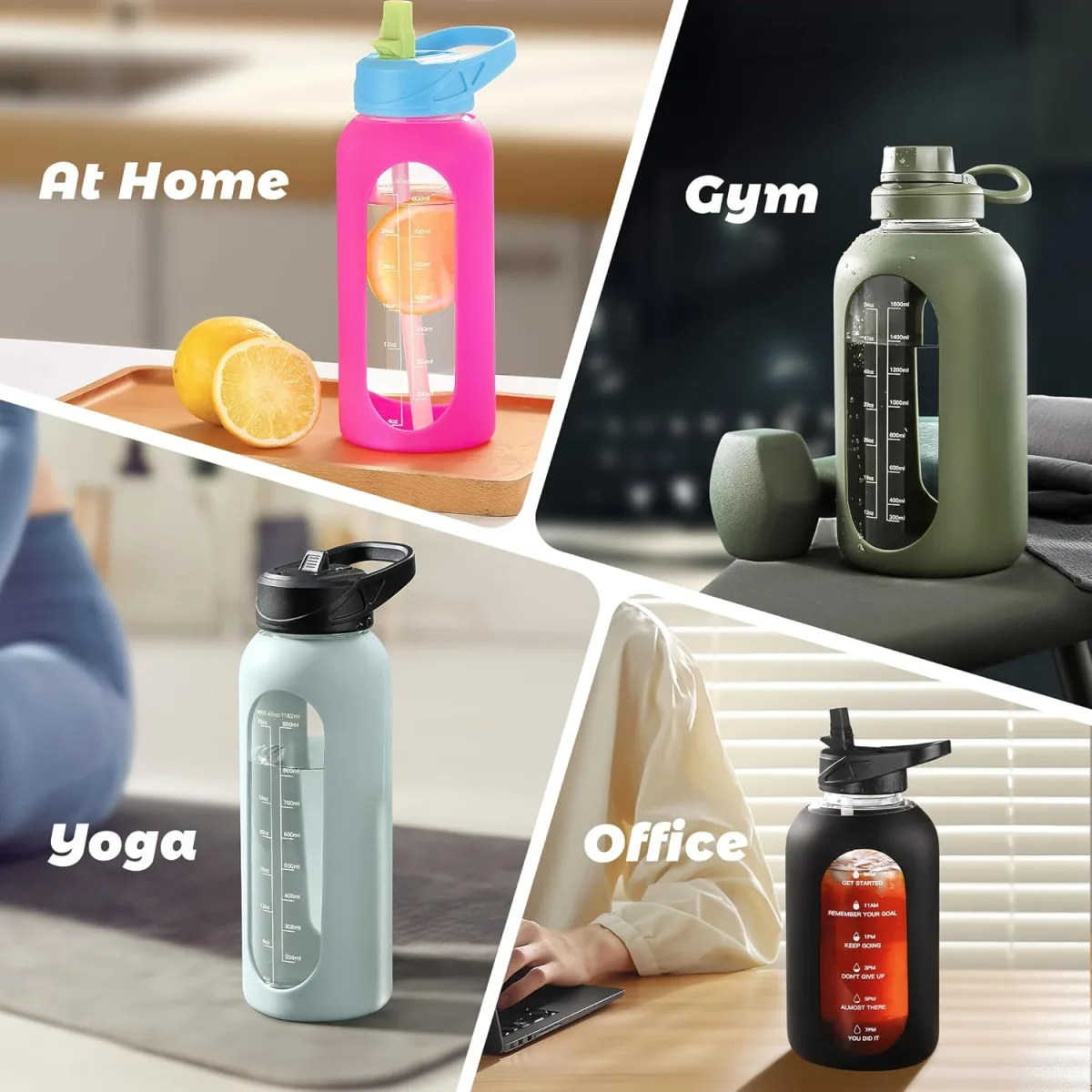
Glass Water Bottle Review: Style & Purity, But Heavy Lifting
After three weeks, this 24 oz glass bottle proved a stylish, pure way to hydrate, but its weight and straw cleaning became daily considerations. It's a specific tool for a specific drinker.
How to Build a Solar-Powered Outdoor Workspace
Forget the simple DIY myths; your solar workspace needs professional reliability. We expose the hidden power demands and critical components often overlooked.
 Product Reviews
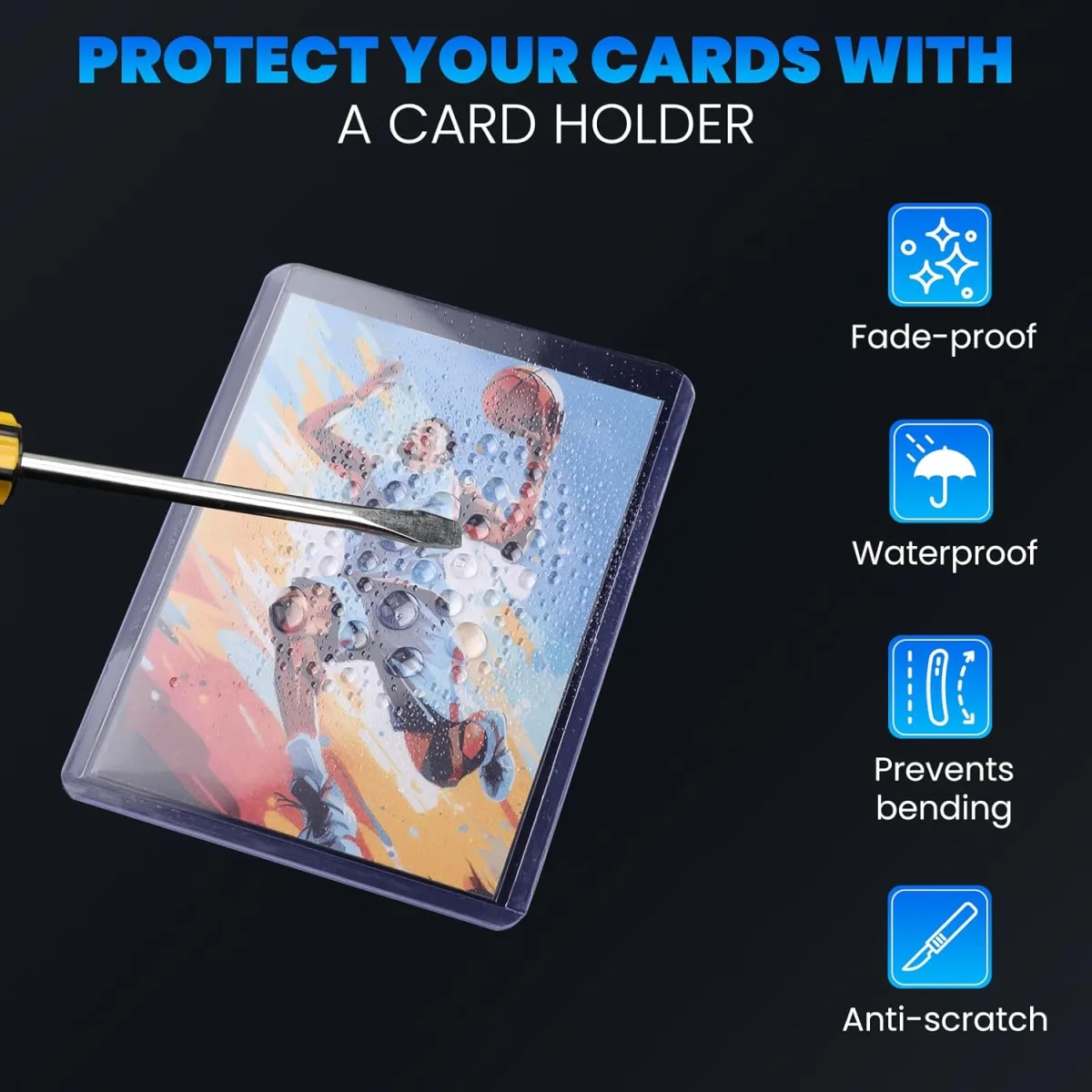
Honest Review: 200 Card Sleeves Top Loaders for Casual Collectors
After three weeks of intense use, I've got the real scoop on these card sleeves and toploaders. This isn't just about protecting cards; it's about making the right choice for your collection and your wallet.
The Best Way to Organize a Digital Declutter Weekend
Forget simple cleanups; real digital decluttering isn't about deleting files. It's about strategically offloading cognitive load to reclaim focus and prevent future overwhelm.
 Product Reviews
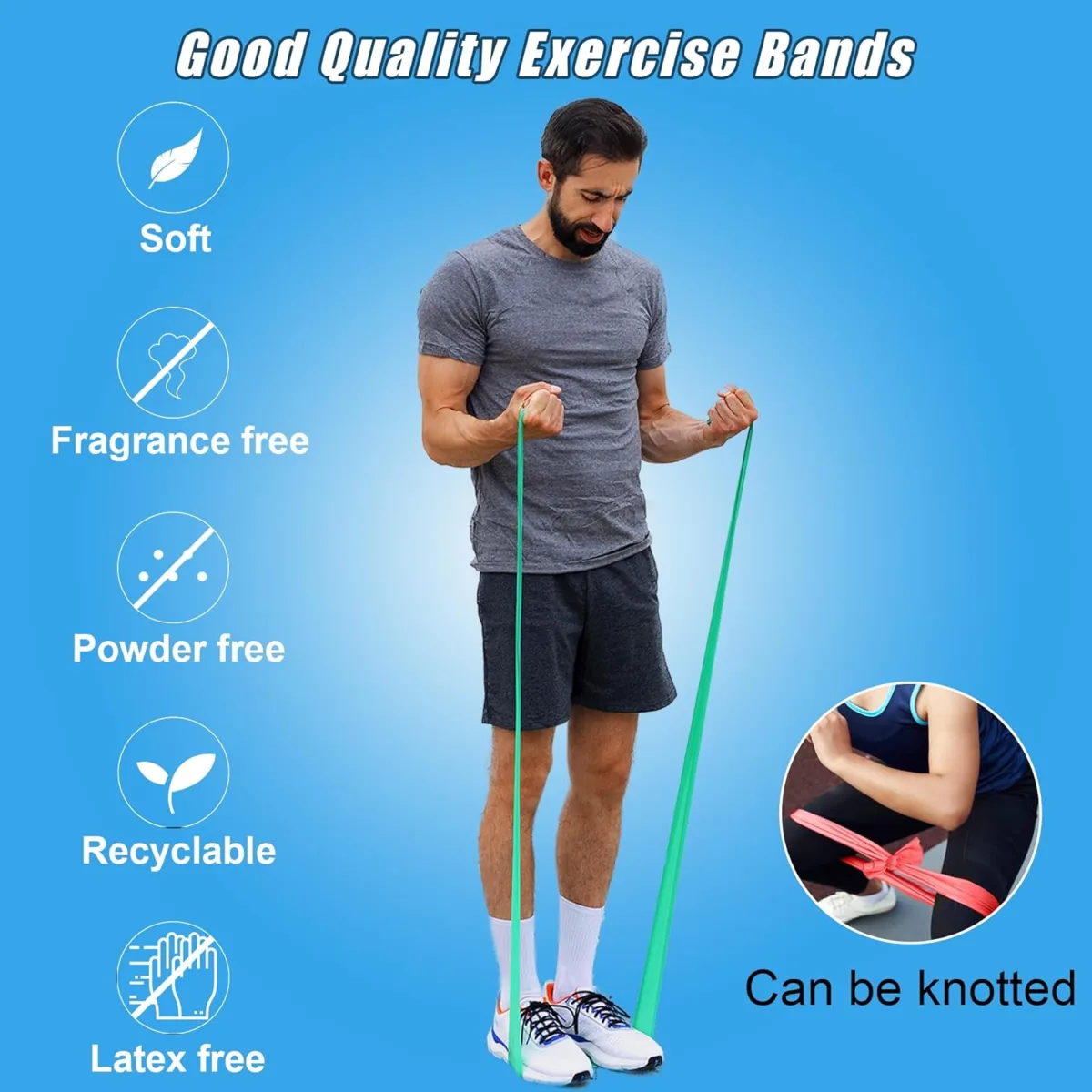
Latex-Free Resistance Bands: A 3-Week Honest Review for Home & Therapy
After three weeks of rigorous testing, these resistance bands proved surprisingly versatile for both my workouts and nagging joint pains. They're not perfect, but they offer a compelling, latex-free option for many.
Why You Should Prioritize "Functional Strength" Over Aesthetics
The relentless pursuit of a perfect physique often leaves you fragile and unfulfilled. True strength isn't about how you look, but what your body can truly do for you.
How to Practice Stoicism in Your Daily Modern Life
Forget cold detachment; modern Stoicism is a vibrant, evidence-backed strategy for emotional intelligence. It's not about suppressing feelings, but mastering what you control.
 Product Reviews
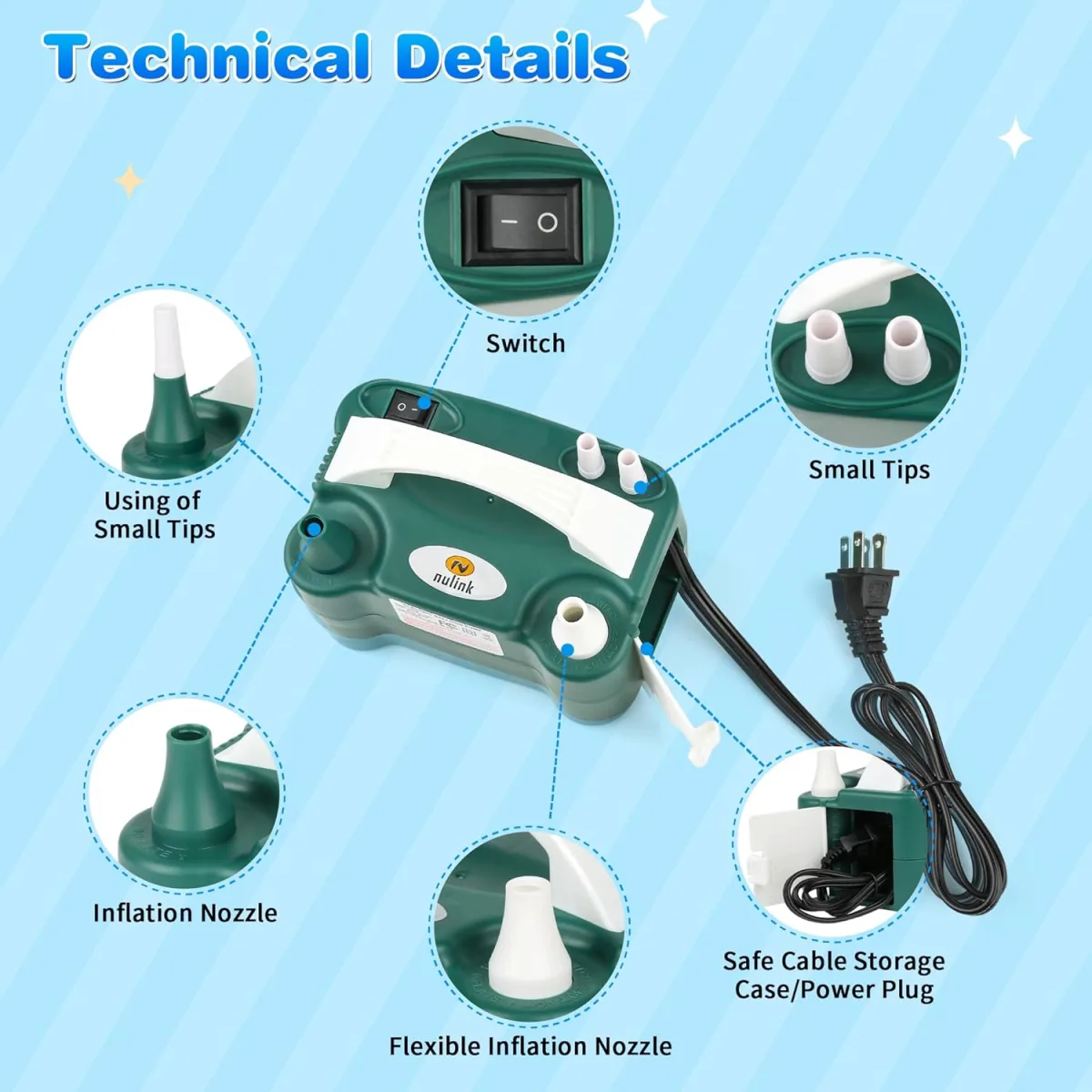
Nulink Electric Balloon Pump: Loud & Fast for Latex, But That's It
After three weeks of party prep, I've got the real scoop on the Nulink Electric Balloon Pump. It's a latex balloon champion, but don't expect quiet operation or foil balloon magic.
The Best Non-Alcoholic Cocktails for Social Gatherings
Forget "missing out." Non-alcoholic cocktails aren't just alternatives; they're becoming the secret to truly present, memorable social connections. It's about optimizing, not abstaining.
 Product Reviews
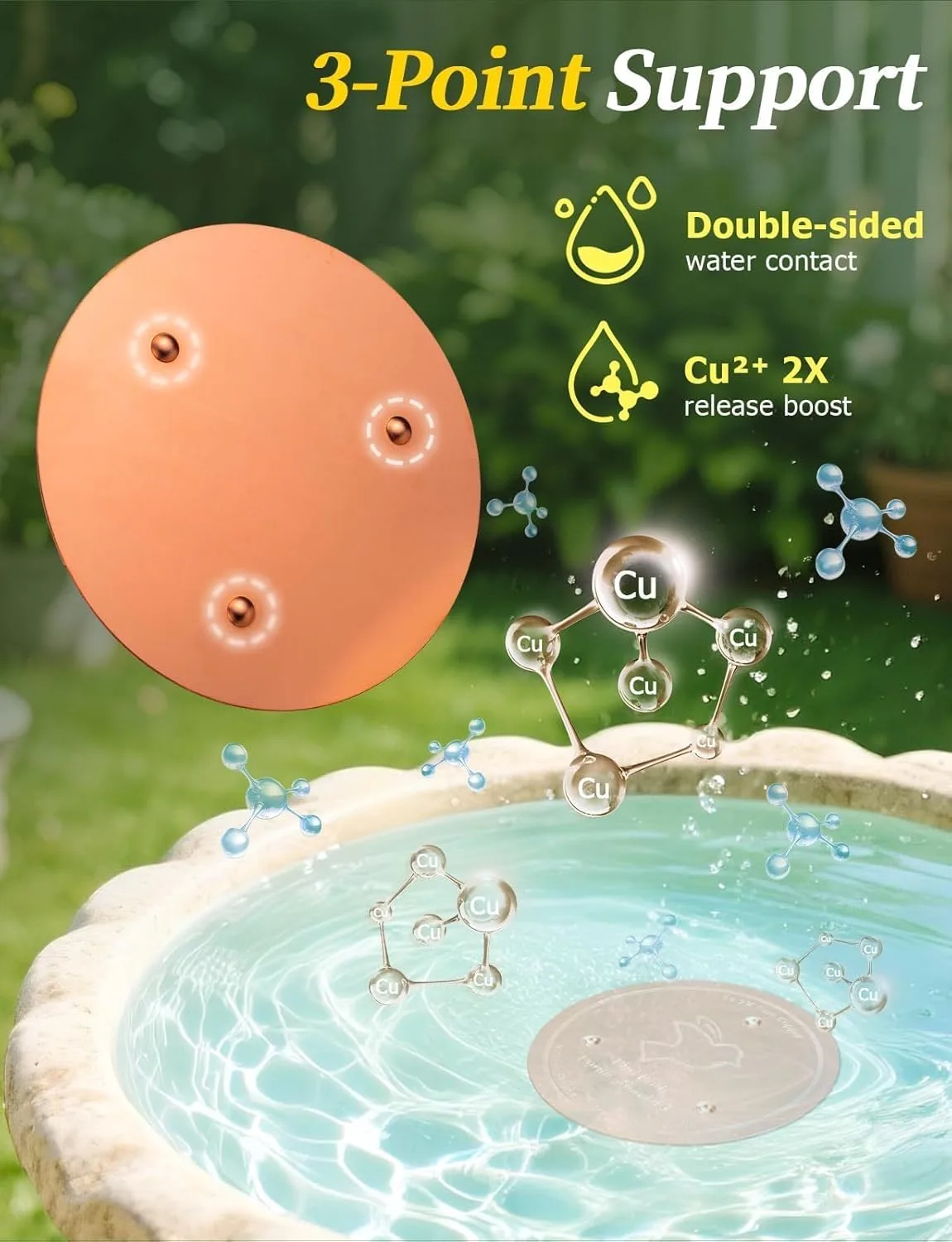
Copper Bird Bath Disk: My 3-Week Test – Does It Really Work?
I was skeptical, but hopeful, about this copper disk for my bird bath. After three weeks of daily use, I've got some surprising insights to share.
How to Make Your Own Natural Dyes from Food Scraps
Think food scrap dyeing is just tossing onion skins in a pot? You're missing the science. We expose the hidden inefficiencies and reveal methods for vibrant, lasting color with far less waste.