Force
85 articles on this topic
The Future of Tech and AI in Next Gen Work
Forget mass unemployment. The real future of tech and AI isn't job loss, it's a critical human-AI symbiosis gap organizations are failing to address. We're radically unprepared for the collaboration skills AI demands.
The Future of Tech and AI in Future Work
Forget jobs lost or created. AI disaggregates work into tasks, profoundly reshaping value and control. The real future of work is a battle over atomized labor.
The Future of Tech and AI in Modern Work
Forget seamless integration or mass layoffs. The real story of AI in modern work is a messy human recalibration, exposing critical skill gaps and overlooked ethical friction.
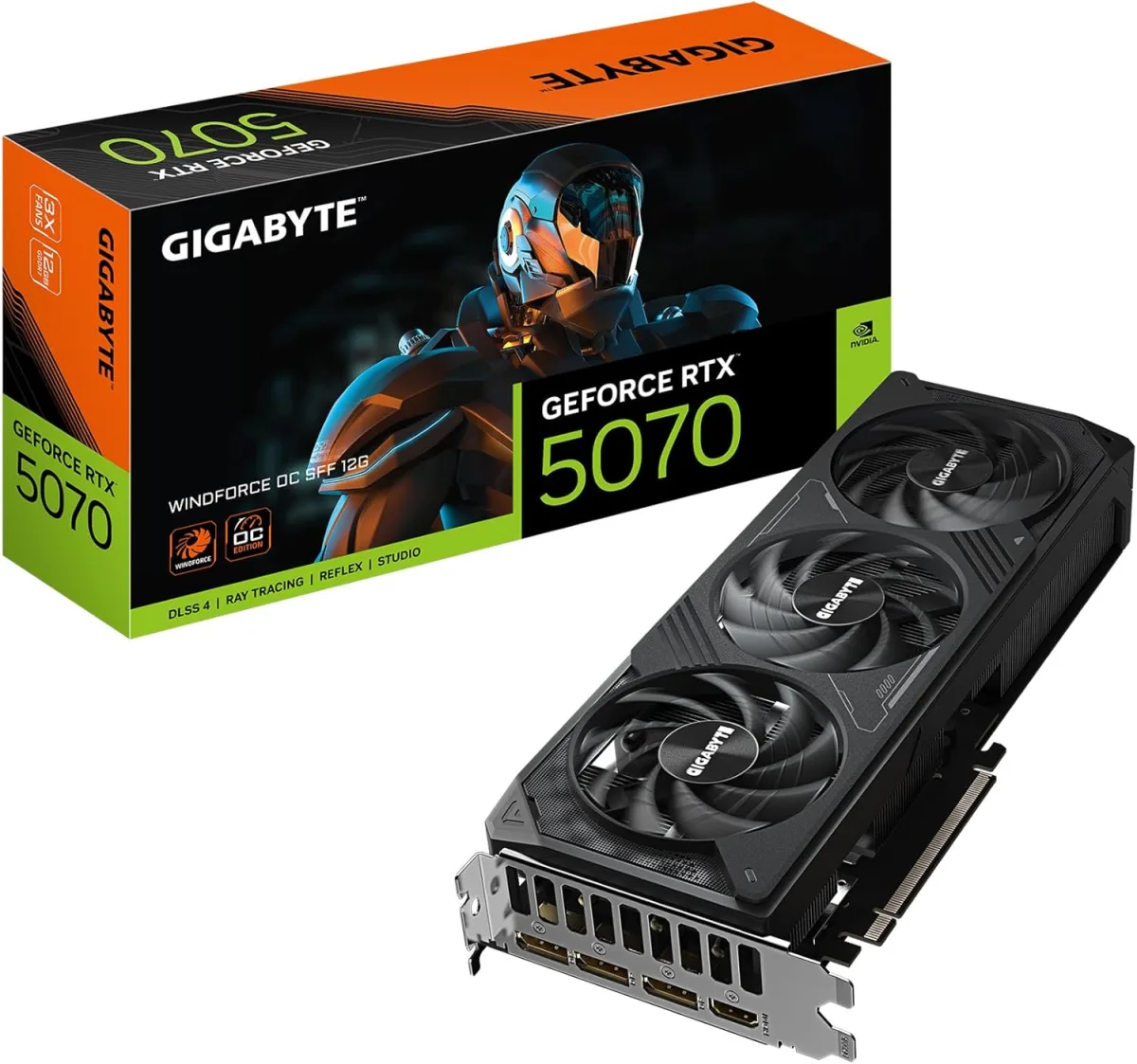 Product Reviews
GIGABYTE RTX 5070 WINDFORCE OC SFF Review: A Compact Powerhouse
I just spent three weeks with the GIGABYTE RTX 5070 SFF. It's a tiny card with big promises, but does it truly deliver enthusiast-level performance for small form factor builds?
The Future of Tech and Innovation in Engineering
AI, digital twins, advanced robotics are here. But the real engineering challenge isn't the tech itself—it's overcoming deep-seated organizational inertia and skills gaps.
The Future of Tech and AI in Business
The real story of AI isn't automation, it's radical re-humanization. Businesses thrive not just by adopting AI, but by rediscovering indispensable human value.
The Future of Tech and AI Trends
Forget the robots taking over. The true future of tech and AI hinges on unseen infrastructure and the surprising surge in demand for uniquely human skills.
The Impact of AI on Technical Future
Forget AI taking your job; it's reshaping what "technical" even means. The true challenge isn't automation, but an urgent redefinition of human expertise.
The Impact of Technology on Business
Technology promises boundless efficiency, yet often creates unseen costs and deepens existing disparities. We unravel the overlooked truth: it isn't always the great equalizer.
The Impact of AI on the Hospitality Industry
AI promised seamless efficiency, but it's quietly eroding the authentic human touch. The real story isn't automation, it's the unexpected revaluation of nuanced emotional labor.
The Impact of AI on the Manufacturing Industry
Forget simple automation. AI is fracturing the factory floor, creating new, high-skill roles while legacy systems struggle. The real story is the friction, not just the future.
The Impact of AI on the Job Market in 2026
AI isn't taking jobs; it's transforming them. The real 2026 impact? A brutal skills race, where human-AI collaboration beats pure automation.