Tacbyz Cold Laser Therapy for Dogs: A Lifesaver for My Senior Pup?
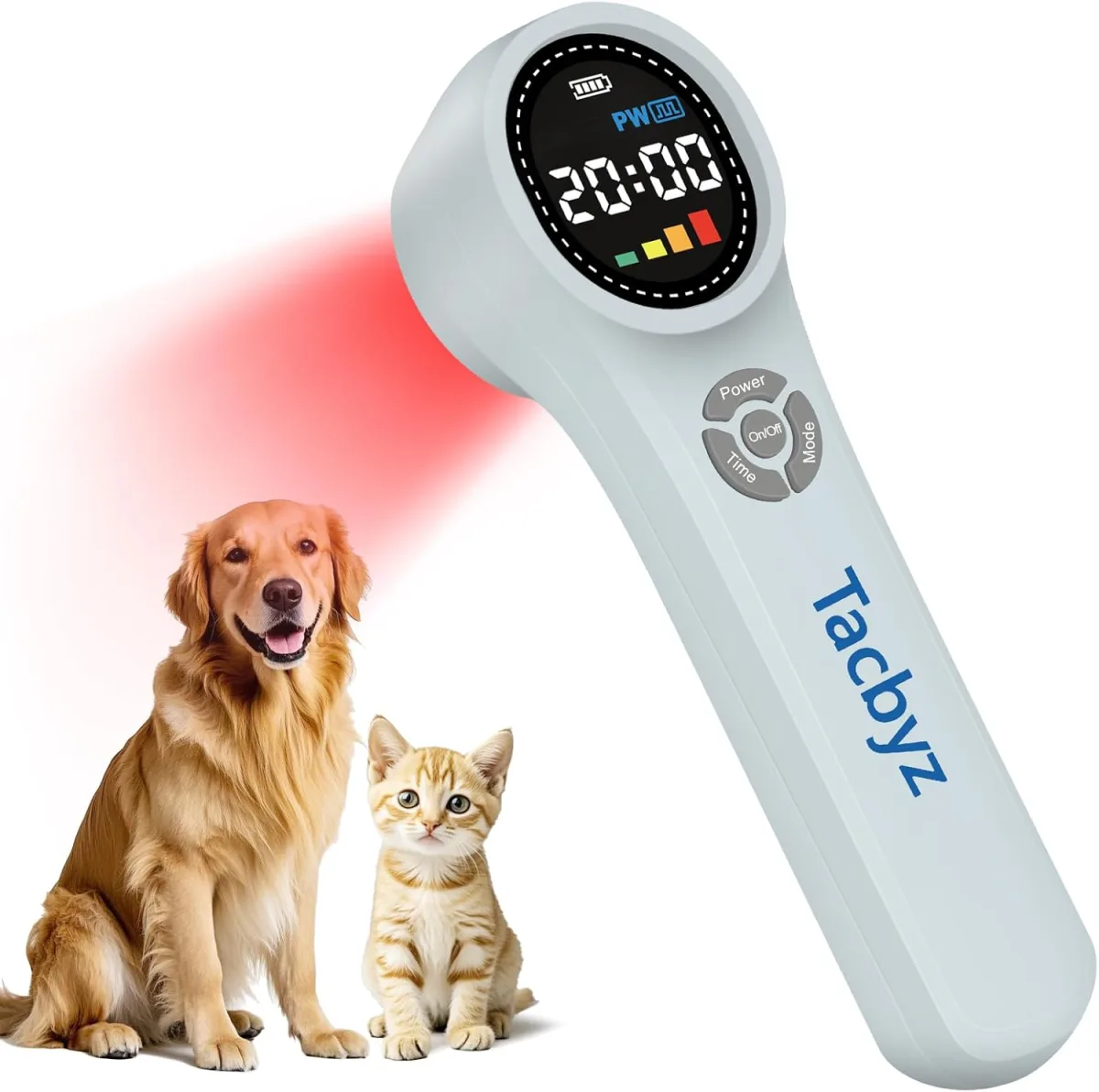
As anyone with an aging pet knows, seeing them slow down, struggle with stairs, or just generally look uncomfortable is heartbreaking. My beloved Golden Retriever, Max, is 12 years old, and lately, his hips and elbows have really been giving him trouble. We've tried supplements, special diets, and even some prescribed medications, but I'm always on the lookout for non-invasive ways to improve his quality of life. That's what led me to explore cold laser therapy, and eventually, to grab the Tacbyz Cold Laser Therapy Device for Dogs.
I’ve heard good things about cold laser (or LLLT – Low-Level Laser Therapy) from my vet, but the in-office sessions can really add up. So, when I found this handheld device promising similar benefits for joint and muscle pain, inflammation, and even wound healing, I was intrigued. I thought, why not give it a shot at home?
First Impressions and What's in the Box
When the package arrived, I was pleasantly surprised by the quality of the device itself. It feels solid and well-made, not cheap or flimsy like some other at-home gadgets I've tried. It's got a decent weight to it, which actually helps with stability during use. Inside the box, you get the laser device, a charging cable, two pairs of safety glasses (one for you, one for your pet – though good luck getting a dog to wear them!), and a user manual. The manual is fairly basic but gets the job done in explaining the different modes and how to operate it.
The device boasts a combination of wavelengths: 16x660nm (red light), 4x810nm, and 4x980nm (near-infrared). From what I’ve researched, the 660nm red light is great for superficial tissues and wound healing, while the 810nm and 980nm near-infrared penetrate deeper into muscles, joints, and bones, which is exactly what I needed for Max’s arthritis. It has three modes: a continuous wave for maximum penetration, and two pulsed modes (10Hz and 50Hz) which are often recommended for acute pain or inflammation.
Putting it to the Test: My Experience with Max
Getting Max to cooperate was my first hurdle, but he’s generally pretty chill. The device doesn't get hot, and it makes no noise, which is a huge plus for anxious pets. I started with short, 3-minute sessions on his hips and elbows, gradually increasing to 5-7 minutes per area. I usually do this while he’s relaxing on his bed or getting some belly rubs, so he associates it with positive attention.
Initially, I didn't see much change, which wasn't unexpected. These things take time. But after a few weeks of consistent use (almost daily, sometimes twice a day if he seemed particularly stiff), I started to notice subtle differences. He seemed to rise from his naps a little easier. His gait seemed a tiny bit more fluid during our walks, and he even attempted a very gentle hop when he heard the treat bag crinkle – something he hadn't done in months!
I also had an unexpected opportunity to test its wound healing claims. Max got a small, annoying hot spot on his paw that he wouldn't leave alone. After cleaning it, I used the laser on the lowest setting (pulsed 10Hz) for about 3 minutes, twice a day. I was genuinely surprised. The redness and inflammation visibly decreased faster than usual, and it seemed to dry out and heal up quicker. This was a real eye-opener for me regarding the 660nm red light's benefits.
Pros and Cons
What I Liked:
- Multi-Wavelength Power: The combination of 660nm, 810nm, and 980nm is fantastic. It covers both superficial and deep tissue issues, making it versatile for various pet ailments.
- Solid Build Quality: It feels durable and well-made, giving me confidence it will last.
- Quiet Operation: No noise means no spooked pets, which is crucial for therapy.
- Noticeable Improvement: Max's mobility improved, and his hot spot healed faster. It genuinely seems to provide relief.
- Cost-Effective Long-Term: Compared to regular vet laser sessions, this device pays for itself pretty quickly if you use it consistently. You can check today's price and compare.
What Annoyed Me (Cons):
- Pet Safety Glasses are a Joke: While I appreciate the thought, no dog is realistically going to wear those tiny goggles. I just make sure to shield Max's eyes with my hand and direct the laser away from his face.
- Learning Curve for Optimal Use: The manual gives basic instructions, but understanding which mode for what condition, and optimal treatment times for specific issues, required a bit more personal research. It's not a "plug and play, instant expert" device.
- Corded Operation: It needs to be plugged in during use. While the cord is a decent length, a cordless option would offer more flexibility, especially with a wiggly pet.
- Patience is Key: This isn't a magic wand. You need consistency and patience to see results, which might be frustrating for some users expecting immediate changes.
Who Should Buy This?
If you have a senior pet struggling with arthritis, hip dysplasia, elbow issues, or general muscle stiffness, this device could be a game-changer. It's also great for pet owners dealing with recurring hot spots, minor cuts, or post-surgical healing (always consult your vet first for post-op!). If you're committed to consistent home therapy and want to save money on expensive vet laser sessions, then you should definitely grab it on Amazon.
Who Should Skip It?
If you're looking for an instant fix, or aren't prepared to dedicate time to regular treatments, this might not be for you. Also, if your pet is extremely anxious and won't tolerate being held still for a few minutes, it could be a struggle. It's not a substitute for veterinary care, so if your pet has severe, acute injuries or undiagnosed pain, see your vet first. Don't expect your pet to wear the goggles – that's just not realistic.
Final Thoughts
Overall, I'm genuinely impressed with the Tacbyz Cold Laser Therapy Device. It's become a regular part of Max's routine, and I truly believe it's contributing to his comfort and mobility. While it requires a bit of commitment and doesn't replace professional veterinary advice, it's a powerful tool to have in your pet care arsenal for managing chronic pain and aiding recovery at home. For the price, and the relief it offers, I'd say it's a solid investment for any pet parent looking for alternative, non-drug pain management options. If you're on the fence, I recommend you see what others paid and read more reviews.