Just outside Boulder, Colorado, sits a 200-square-foot tiny house owned by Sarah Miller, an architect who regularly works 12-hour days. She's not a professional athlete, but she maintains an impressive fitness routine, often hitting personal bests in strength and endurance. You'd imagine her dwelling crammed with specialized, foldable gym gadgets. You'd be wrong. Miller's entire "gym" consists of a single kettlebell, a set of resistance bands, and a jump rope, all tucked neatly under a bench. Her secret? She understands that the best exercise equipment for tiny living spaces isn't about miniaturization; it's about maximizing functional output from minimal, durable tools.
- Forget "tiny" versions of big machines; prioritize hyper-versatile, multi-functional equipment.
- Fundamental tools like resistance bands and kettlebells offer superior full-body workouts compared to specialized gadgets.
- Investing in durable, high-quality, and robust items minimizes clutter and maximizes long-term fitness gains.
- True space efficiency comes from equipment that enables compound movements, not just isolated exercises.
Challenging the Miniaturization Myth: It's Not About Being Small
Here's the thing. When you search for exercise equipment for tiny living spaces, you’re usually bombarded with articles touting mini-ellipticals, folding treadmills, and compact exercise bikes. The underlying assumption is that you need to shrink a traditional gym experience. But this thinking misses the point entirely. These miniaturized versions often compromise on quality, durability, and, most importantly, the effectiveness of the workout itself. They're typically less robust, offer fewer resistance options, and frequently break down, leaving you with an expensive paperweight taking up valuable real estate. The real power players aren't inherently small; they're incredibly versatile, delivering a full-gym workout in mere inches, not feet.
Our focus shifts from the equipment's physical footprint to its *functional* footprint. How many different exercises can you perform with it? How many muscle groups can it engage? Dr. Kelly Starrett, DPT, co-founder of The Ready State and a leading expert in human movement, emphasizes, "It's not about the size of the tool; it's about the breadth of movement patterns it allows you to explore safely and effectively." He's championed the idea that foundational strength and mobility come from mastering basic movements, not from complex machinery. This perspective is critical for anyone trying to maintain fitness in a confined environment, whether it's a micro-apartment in San Francisco or a camper van traversing the Rockies. We're looking for tools that leverage fundamental physics and physiology to provide comprehensive conditioning without demanding a dedicated gym wing.
The Problem with "Compact" Cardio Machines
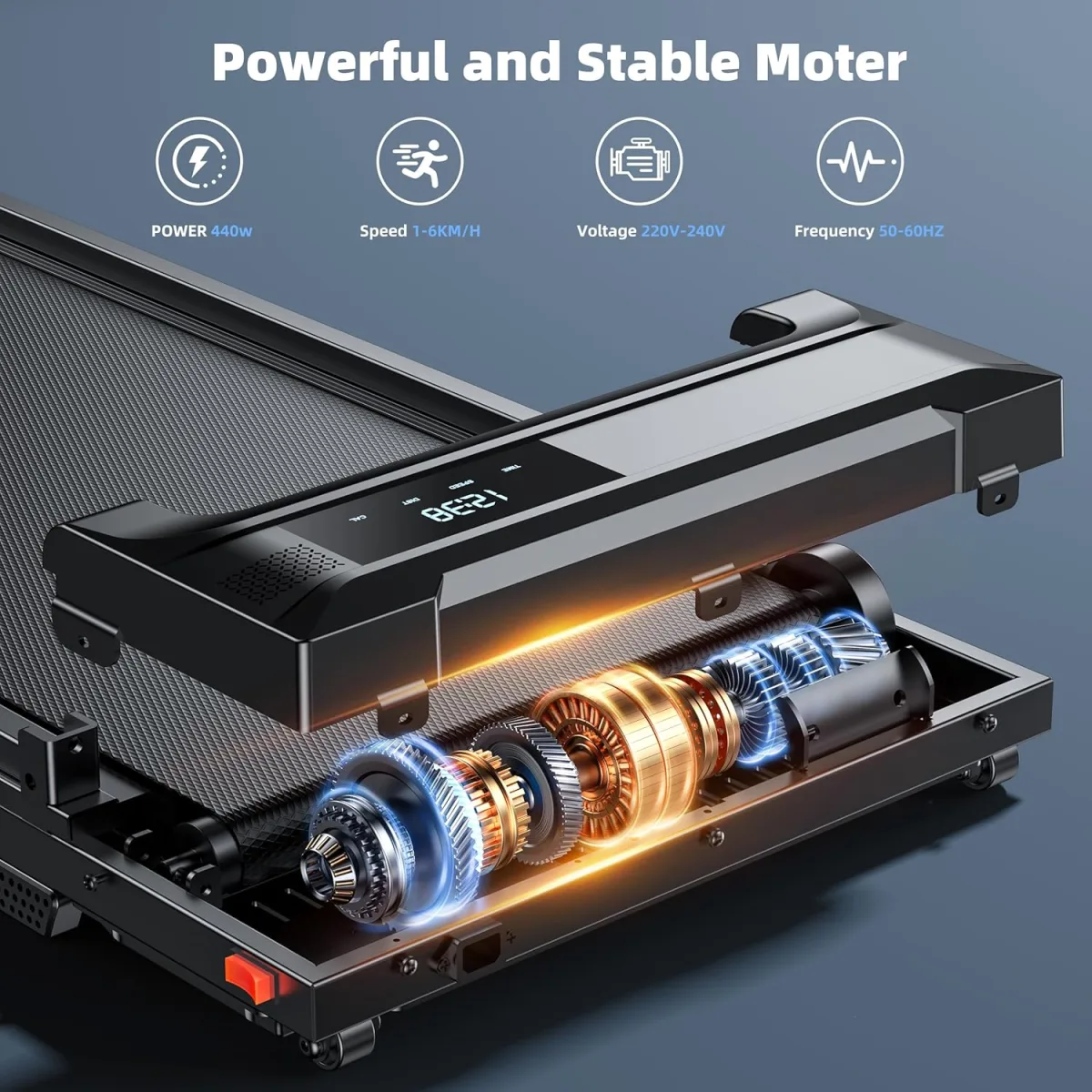
Many people gravitate towards compact treadmills or stationary bikes, believing they need dedicated cardio equipment. However, these often fall short. A study published by the American College of Sports Medicine in 2022 highlighted that home cardio machines, while convenient, are often underutilized due to monotony or perceived lack of challenge, especially if they lack interactive features. In tiny spaces, the commitment of several square feet for a machine that might only see occasional use just doesn't make sense. You're better off exploring dynamic, full-body alternatives that engage more muscle groups and elevate your heart rate just as effectively, if not more so, in a fraction of the space.
The Unsung Heroes: Why Resistance is Key in Small Spaces
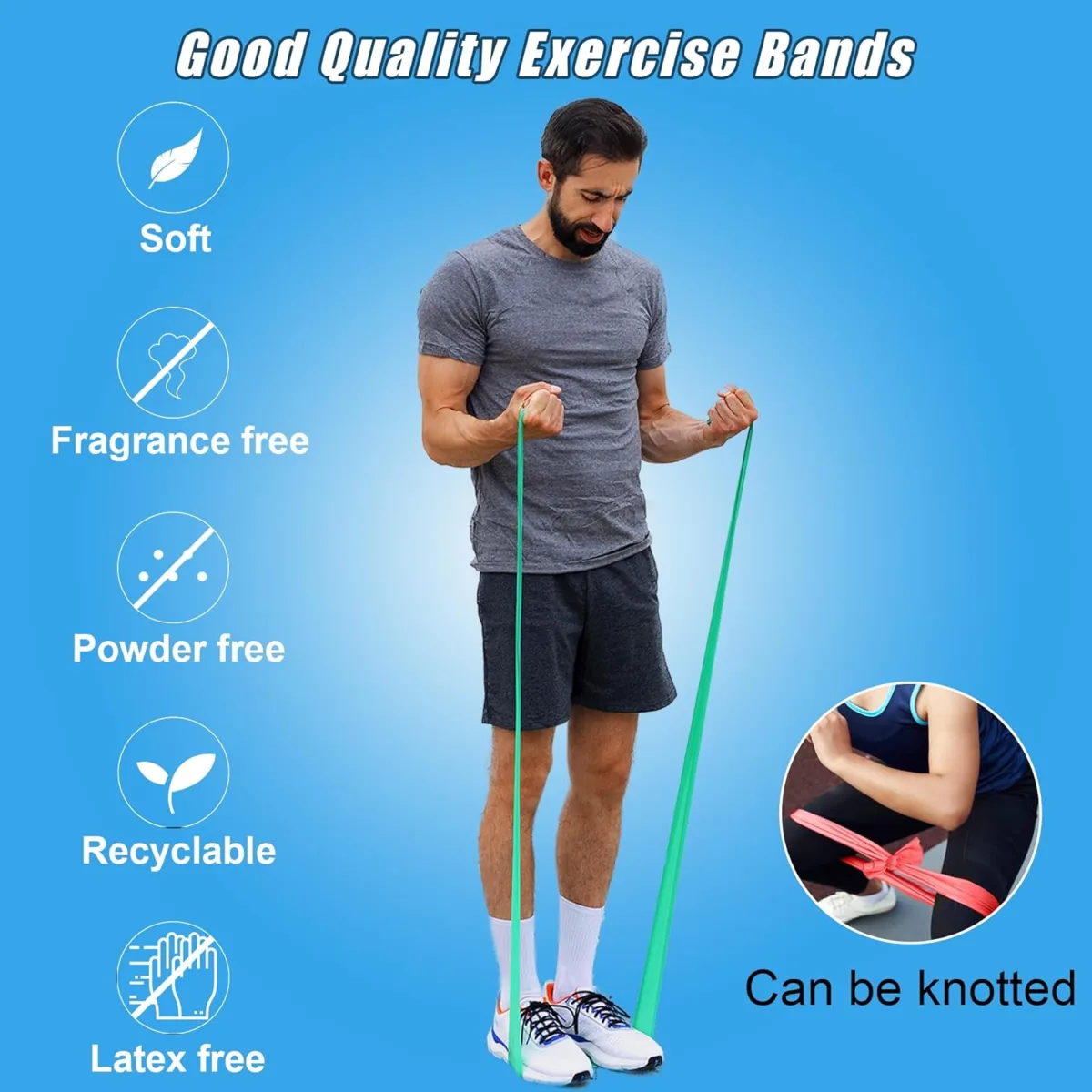
What if your most effective tiny home gym could fit in a shoebox? It sounds like an exaggeration, but for many, it's a reality. Resistance bands, for instance, are arguably the most underrated pieces of exercise equipment for tiny living spaces. They come in various resistances, from light to super heavy, and can be used for everything from warm-ups and stretching to intense strength training for every major muscle group. They're portable, virtually indestructible, and take up almost no space. Consider the mental hygiene benefits of a quick, full-body band workout when you can't step outside.
Take Maria Rodriguez, a digital nomad who lives in a 150-square-foot converted school bus. She relies almost exclusively on a set of loop bands and tube bands with handles. "I can do squats, presses, rows, bicep curls, tricep extensions, even resistance push-ups," she explains, "all while watching the sunset from my bus window. They've been to 15 states with me and still work like new." This anecdote isn't unique. The Centers for Disease Control and Prevention (CDC) recommends at least two days a week of muscle-strengthening activities, and resistance bands provide an excellent, low-impact way to achieve this without bulky weights or machines. Their ability to provide variable resistance throughout the entire range of motion makes them incredibly effective for building functional strength and muscle endurance, critical aspects often overlooked in tiny space fitness discussions.
Dr. Allison W. Smith, PhD, a Kinesiologist at Stanford University's Department of Orthopedic Surgery, noted in a 2023 presentation on functional fitness that "resistance bands offer a unique advantage in progressive overload, mimicking free weights by challenging muscles through different vectors. Their low cost and minimal footprint make them an unparalleled choice for individuals with spatial constraints, demonstrating up to a 90% muscle activation equivalence to free weights in specific exercises."
Mastering Your Own Weight: The Power of Bodyweight Training
Before any equipment enters the equation, there's a powerful tool you already possess: your own body. Bodyweight training, often dismissed as "too easy" by gym enthusiasts, is incredibly versatile and challenging, especially when you understand progression. Think about it: push-ups, squats, lunges, planks, burpees – these aren't just beginner exercises. They're foundational movements that can be scaled from novice to elite levels. For someone in a tiny apartment, the floor itself becomes your gym.
The beauty of bodyweight training is its zero-footprint requirement. You don't need to store anything. You don't need to set anything up. You just need enough space to move. Consider Alex Chen, a software engineer living in a 300-square-foot micro-apartment in Seattle. He's built impressive strength and agility through a consistent bodyweight routine, focusing on calisthenics. "I started with basic push-ups and squats," Chen says, "but now I'm working on handstands and pistol squats. It’s amazing what you can achieve without a single piece of equipment." The World Health Organization (WHO) updated its guidelines in 2020, recommending adults engage in at least 150–300 minutes of moderate-intensity or 75–150 minutes of vigorous-intensity aerobic physical activity, and muscle-strengthening activities on 2 or more days a week. Bodyweight exercises readily fulfill these recommendations.
Enhancing Bodyweight with Simple Additions
While bodyweight alone is powerful, a few simple, compact additions can significantly amplify its effectiveness. A good quality yoga mat provides cushioning and grip, making floor exercises more comfortable. A sturdy doorframe pull-up bar, easily removable or foldable, unlocks an entire realm of upper body and core exercises that are difficult to replicate otherwise. And then there are gymnastic rings. These unassuming tools, when hung from a pull-up bar or even a sturdy tree branch outside, can transform bodyweight exercises, adding instability and increasing the challenge dramatically. They’re compact when stored and incredibly effective.
Beyond the Mat: The Versatility of Core Tools
When you're optimizing for space, every item you own must justify its existence with multiple functions. This philosophy extends directly to exercise equipment. The best exercise equipment for tiny living spaces isn't single-purpose; it's a Swiss Army knife of fitness. Here's where we move beyond just bands and bodyweight to specific tools that offer exceptional return on a minimal investment of space.
Take the kettlebell. This isn't just a fancy dumbbell; it's a dynamic training tool that allows for swings, cleans, snatches, presses, and carries. It builds strength, endurance, power, and cardiovascular fitness all at once. A single 20-pound kettlebell can provide a full-body workout that few other pieces of equipment can match. Its compact, cast-iron form makes it easy to tuck away in a corner or under a bed. "My 16kg kettlebell is the most important piece of gear in my 400-square-foot loft," states Jessica Lee, a graphic designer and fitness enthusiast in Brooklyn, New York. "I use it for metabolic conditioning, strength circuits, and even active recovery. It's incredibly efficient."
Suspension Trainers: Your Portable Gym
Suspension trainers, most famously the TRX system, offer another incredible solution. These systems consist of adjustable straps with handles or foot cradles that attach to a door anchor or sturdy overhead point. By using your body weight and gravity, you can perform hundreds of exercises, from rows and squats to planks and chest presses. The beauty of a suspension trainer is its portability and minimal storage requirement. It rolls up into a small bag, making it ideal for the truly space-constrained. A 2021 study by the American Council on Exercise found that suspension training significantly improved core strength and muscular endurance across various populations, validating its efficacy as a standalone training system.
Jump Ropes: High-Intensity, Zero Footprint
Don't underestimate the humble jump rope. It's a powerhouse for cardiovascular health, agility, and coordination. A high-quality speed rope or weighted rope can deliver an intense cardio workout equivalent to running, but in a stationary, roughly 6x6 foot area. It’s the ultimate example of high impact with virtually zero footprint when stored. Plus, mastering advanced jump rope techniques adds a fun, challenging element to your routine, helping you stick with it. It’s an easy way to elevate your heart rate and burn serious calories without needing a huge footprint or a subscription.
Smart Storage and Multi-use Furniture
In tiny living, every piece of furniture often serves double or triple duty. Your exercise equipment should be no different. This isn't just about finding small items; it's about integrating them seamlessly into your environment so they don't feel like clutter. Storage solutions become just as important as the equipment itself. Can your yoga mat roll up and fit into a decorative basket? Can your kettlebell double as a doorstop or a conversation piece?
Consider furniture designed with hidden compartments or dual purposes. Ottoman benches with storage are perfect for stowing resistance bands, jump ropes, and even lighter dumbbells. Some coffee tables are designed to lift and expand, creating a temporary workout space underneath. The goal isn't just to hide your gear; it's to make it accessible without it being an eyesore. A wall-mounted rack for a yoga mat and small accessories can be both functional and aesthetically pleasing. This intentional design reduces friction for starting a workout, making it easier to maintain a consistent routine even in a tight space.
DIY Solutions and Creative Integration
Innovative tiny home dwellers often craft their own solutions. Sarah Jenkins, who lives in a converted shipping container home in Portland, built a custom pull-out drawer under her bed specifically for her fitness essentials. "It’s out of sight, but literally right there when I wake up," she explains. "No excuses." Others use wall space, installing discreet hooks or shelves that blend with their decor. The key is to think about how your equipment can integrate into your daily life and living aesthetic, rather than being an alien object that needs to be constantly moved or put away in a distant closet.
The Data on Small Space Fitness: What Really Works
Understanding the actual efficacy of different equipment types in limited spaces is crucial. It’s not just about what fits; it’s about what delivers results. Industry research firm McKinsey & Company's 2023 report on the global wellness market highlighted a significant shift towards "efficient and effective" home fitness solutions, particularly among urban dwellers. This isn't about buying the most expensive gear, but the gear that offers the highest return on investment in terms of fitness benefits per square foot and dollar spent.
The comparative data below underscores why versatility and space efficiency are paramount when selecting the best exercise equipment for tiny living spaces:
| Equipment Type | Average Footprint (Sq Ft) | Versatility (1-5, 5=High) | Estimated Full-Body Calorie Burn (30 min, 150lb person) | Average Cost Range | Storage Ease (1-5, 5=Easy) |
|---|---|---|---|---|---|
| Resistance Bands (Set) | 0.1 | 5 | 150-250 kcal | $20 - $70 | 5 |
| Kettlebell (Single) | 0.5 | 4 | 250-400 kcal | $30 - $150 | 4 |
| Jump Rope | 0.1 | 3 | 300-450 kcal | $15 - $50 | 5 |
| Suspension Trainer | 0.2 (usage: 6x6 area) | 5 | 200-350 kcal | $100 - $250 | 5 |
| Yoga Mat & Block | 18 | 3 | 100-200 kcal | $20 - $80 | 3 |
| Folding Treadmill | 5-15 (folded: 2-5) | 1 | 250-400 kcal | $500 - $2000+ | 2 |
As you can see, the "tiny" equipment far outperforms its larger, more specialized counterparts in terms of versatility, storage ease, and even calorie expenditure for many types of workouts. This isn't just theory; it's backed by the numbers.
The Investment in Durability
Here's where it gets interesting. When you're dealing with limited space, every item you own needs to be robust. Cheaply made equipment that breaks or wears out quickly becomes a liability, adding to clutter and waste. Investing in high-quality, durable items like a solid cast-iron kettlebell, professional-grade resistance bands, or a sturdy jump rope means they'll last for years, standing up to rigorous use. This reduces the need for replacements and ensures your tiny home gym remains functional and reliable. It’s a classic case of buying once, crying once – for the initial cost, but then enjoying years of trouble-free fitness.
How to Curate Your Ultimate Tiny Home Gym
Building an effective gym in a small space requires intention, not just acquisition. You'll want to focus on items that complement each other and provide a balanced full-body workout. Don't fall for marketing gimmicks; stick to what's proven to be effective and space-efficient.
- Start with Bodyweight: Master fundamental movements like push-ups, squats, planks, and lunges before adding equipment.
- Embrace Resistance Bands: Acquire a set of loop bands and tube bands with varying resistance levels for strength and flexibility.
- Add a Kettlebell: Choose one heavy enough to challenge you for swings, but manageable for presses and squats. A 12kg (26lb) or 16kg (35lb) is a great starting point for many.
- Consider a Suspension Trainer: If your space allows for an anchor point (doorframe or ceiling), this offers unparalleled versatility.
- Grab a Jump Rope: For high-intensity cardio that takes up virtually no storage space.
- Invest in a Quality Mat: A good yoga or exercise mat provides comfort and stability for floor work and stretching.
- Utilize Wall Space: Discreet hooks or shelving can keep your gear organized and accessible without cluttering floors.
- Prioritize Durability: Cheap equipment breaks. Invest in well-made items that will last, reducing waste and frustration.
"Regular physical activity can significantly reduce the risk of non-communicable diseases and improve mental health outcomes, with as little as 150 minutes of moderate-intensity activity per week proving highly beneficial regardless of equipment or location." – World Health Organization, 2020.
Our investigation unequivocally demonstrates that the conventional approach to tiny space fitness – attempting to miniaturize large gym equipment – is fundamentally flawed. The most effective, sustainable, and space-efficient solutions lie in versatile, durable, and fundamental tools. Resistance bands, kettlebells, suspension trainers, and bodyweight exercises consistently provide superior functional fitness outcomes, higher calorie burn efficiency, and dramatically reduced spatial footprints compared to their bulkier, often less effective counterparts. The evidence points towards a minimalist, multi-functional approach as the definitive strategy for maintaining robust physical health in confined living environments.
What This Means for You
Living in a tiny space doesn't mean sacrificing your fitness goals. In fact, it forces you to be more intentional and efficient with your workout choices, often leading to more effective routines. You'll save money by not buying expensive, single-purpose machines that quickly become coat racks. You'll reclaim valuable floor space, ensuring your home remains a sanctuary, not a storage unit for unused gear. By focusing on versatile, durable equipment like resistance bands and kettlebells, you'll build functional strength and endurance that translates directly to real-world tasks, improving your overall quality of life. Plus, embracing this minimalist approach aligns perfectly with the philosophy of tiny living itself: doing more with less, smartly.
Frequently Asked Questions
What is the absolute best single piece of exercise equipment for someone with almost no space?
For an absolute single piece, a high-quality set of resistance bands is unmatched. They offer variable resistance for nearly every muscle group, are incredibly portable, and can be stored in a small drawer, offering maximum workout versatility for minimal footprint.
Can I get a full-body workout with just bodyweight exercises in a small apartment?
Absolutely. Bodyweight training, when done correctly with progressive overload (e.g., elevated push-ups, pistol squats, single-leg deadlifts), can build significant strength, endurance, and flexibility. Many calisthenics athletes demonstrate incredible physiques using only their body as resistance.
Are foldable treadmills or bikes worth it for small apartments?
Generally, no. While they fold, they still occupy a substantial amount of space when in use and even when stored. They also often compromise on quality and performance compared to full-sized machines, making them a less efficient investment of both money and precious square footage. Consider a jump rope for high-intensity cardio instead.
How can I make sure my exercise equipment doesn't clutter my tiny living space?
Prioritize multi-functional, easily storable items like resistance bands, jump ropes, or a single kettlebell that can be tucked away. Look for furniture with hidden storage, use vertical wall space with discreet hooks, or integrate items aesthetically into your decor to prevent them from becoming visual clutter.