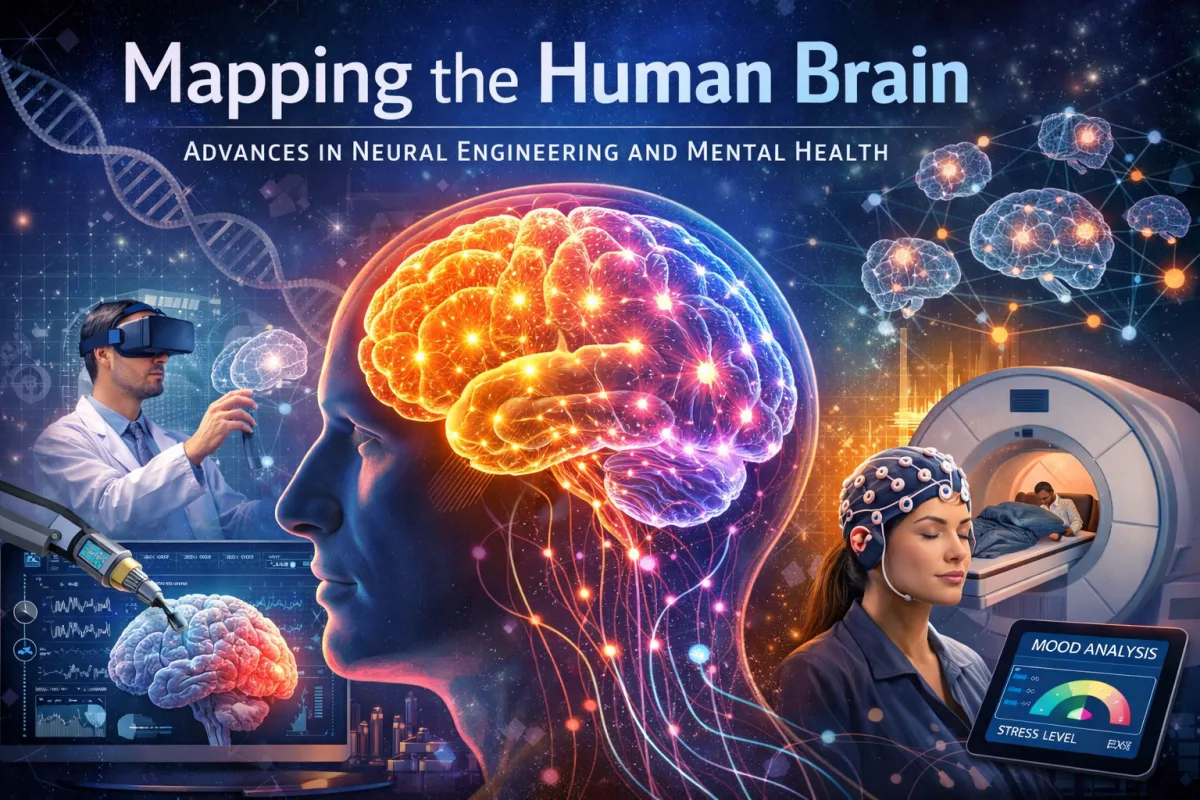
In a small, specialized clinic in Houston, Sarah, a 42-year-old former architect paralyzed from the neck down after a car accident, sips water from a cup she controls with her thoughts. She's not moving a robotic arm with overt mental commands; rather, a small, implanted array in her motor cortex translates her neural signals into nuanced movements of a sophisticated prosthetic. This isn't the stuff of distant science fiction anymore. It's happening today. While the headlines often scream about direct mind control and sci-fi prosthetics, the true future of brain-computer interfaces (BCIs) in daily life isn't about grand, overt leaps, but a quiet, insidious integration that will fundamentally alter our interaction with technology, ourselves, and our data. We're not just talking about controlling cursors; we're talking about a silent revolution in accessibility, cognitive augmentation, and, crucially, a new frontier of personal data privacy.
- BCIs in daily life will primarily manifest as subtle, non-invasive cognitive augmentations and accessibility tools, not immediate thought-to-action systems.
- The market for neurotechnology is rapidly expanding beyond medical applications, driven by consumer demand for enhanced focus and mental well-being.
- The unprecedented intimacy of BCI data creates profound ethical and privacy challenges, necessitating new "neuro-rights" and robust regulatory frameworks.
- Regulatory bodies, governments, and industry leaders are scrambling to define standards for BCI development and data security, but progress is slow.
Beyond the Sci-Fi Headlines: The Everyday Reality of Brain-Computer Interfaces
When most people hear "brain-computer interface," they picture Elon Musk's Neuralink or a futuristic soldier controlling drones with their mind. That's a dramatic, headline-grabbing image, but it misses the more pervasive, less dramatic, and ultimately more impactful ways BCIs are already seeping into our daily routines. These aren't necessarily implants designed to give you superpowers; they're often discreet devices aimed at augmenting existing capabilities or restoring lost ones. Think about it: the quiet revolution in assistive technology has been brewing for years, steadily making gains outside the public spotlight.
For instance, companies like Synchron, with their Stentrode device, have demonstrated how a minimally invasive BCI can enable patients with severe paralysis to send text messages and control a computer mouse simply by thinking about it. In 2022, a patient named Philip O'Keefe, living with amyotrophic lateral sclerosis (ALS), made history by tweeting directly from his thoughts using the Stentrode, a feat that garnered significant attention. This wasn't about flying a jet; it was about reclaiming basic communication and connection, proving that even subtle thought translation offers immense value. Similarly, researchers at Stanford University's BrainGate consortium have enabled participants with paralysis to type at speeds exceeding 60 characters per minute using an intracortical BCI, as reported in a 2021 study published in Nature. This isn't just about restoring function; it's about fundamentally rethinking human-computer interaction for everyone. We're witnessing the genesis of a new interface layer, one that bypasses traditional inputs and directly taps into our neural machinery.
The Quiet Revolution in Assistive Tech
The earliest and most profound impact of BCIs has been in the realm of assistive technology. Here, the technology isn't just a convenience; it's a lifeline. Consider the cochlear implant, a BCI that's been around for decades, restoring hearing to hundreds of thousands globally. It's a testament to the power of direct neural stimulation. While not "mind-reading" in the traditional sense, it's a powerful example of how interfacing with the nervous system can profoundly improve quality of life. The next generation of these devices moves beyond sensory restoration to motor control and communication, offering unprecedented independence. Blackrock Neurotech, for example, has developed systems that allow individuals with limb paralysis to control robotic arms, wheelchairs, and even communicate through speech synthesizers using implanted microelectrode arrays. Their NeuroPort Array, a device approved for human trials since 2004, has been instrumental in numerous studies demonstrating these capabilities, including a 2023 trial enabling a patient to control a prosthetic hand with remarkable dexterity.
Augmenting Accessibility, Not Just Replacing Limbs
But BCIs aren't solely for severe neurological conditions. The frontier is expanding to cognitive augmentation for a broader population. Companies like NextMind (acquired by Snap in 2022) developed non-invasive headbands that allowed users to control digital interfaces through focused attention, not explicit thoughts. While the technology isn't yet widespread, it showed the potential for a subtle, almost imperceptible enhancement of interaction. Imagine navigating complex software or an interactive display with a mere glance or a fleeting thought. The goal isn't necessarily to replace the mouse or keyboard but to offer an alternative, complementary input method that reduces cognitive load and improves efficiency, particularly for those with varying degrees of motor impairment. It's about enhancing accessibility in ways we've only just begun to explore, making interfaces more intuitive and responsive to our natural intentions. Here's the thing: these advancements aren't just for patients; they're laying the groundwork for how all of us will interact with our devices in the coming decades.
The Evolving Landscape of Neurotechnology: Invasive vs. Non-Invasive
The BCI landscape is broadly divided into invasive and non-invasive approaches, each with distinct implications for daily life adoption. Invasive BCIs, like those developed by Neuralink or Synchron, involve surgically implanting electrodes directly into the brain. These offer high-fidelity signal acquisition, meaning they can pick up very precise neural activity, leading to more accurate and nuanced control. However, they come with significant risks: surgical complications, infection, and the long-term stability of the implant itself. It's a major medical procedure, limiting their widespread adoption to those with severe medical needs for the foreseeable future. Despite the allure of direct neural access, the barrier to entry remains incredibly high.
Non-invasive BCIs, on the other hand, use external sensors, typically electroencephalography (EEG) caps or headbands, to detect brain activity from outside the skull. While offering lower signal resolution compared to implants, they are entirely risk-free from a surgical perspective and are already making their way into consumer markets. Companies like EMOTIV and Neurable produce EEG devices aimed at improving focus, meditation, and even basic game control. Neurable, for example, unveiled a pair of headphones in 2023 that could interpret brain activity to control a game, demonstrating a practical application of non-invasive BCI for entertainment. The trade-off is often precision for accessibility, but as the technology improves, this gap is narrowing. So what gives? The choice between invasive precision and non-invasive convenience is the central tension defining the trajectory of BCIs in everyday use.
The Promise and Peril of Implants
Implants like Neuralink's brain chips promise a direct, high-bandwidth connection between the brain and digital devices, potentially enabling advanced prosthetics, restoring sight or hearing, and even augmenting cognitive functions. The potential for individuals with severe disabilities is immense. For instance, in a 2024 announcement, Neuralink showcased Noland Arbaugh, a quadriplegic patient, playing chess on a computer using only his thoughts via their "Telepathy" implant. This demonstration, streamed live, highlighted the extraordinary potential for individuals to regain agency and interaction. However, the path to widespread adoption is fraught with ethical and safety concerns. The US Food and Drug Administration (FDA) has a rigorous approval process for implanted medical devices, and long-term studies on safety, biocompatibility, and psychological impact are still ongoing. The "peril" isn't just physical risk; it's also the unknown psychological and societal effects of such intimate human-machine integration.
Wearables: Your Brain's New Best Friend?
The more immediate and widespread impact on daily life will likely come from non-invasive BCI wearables. These devices, often disguised as headphones, headbands, or even smart hats, are designed to monitor brain states – focus, relaxation, stress – and provide real-time feedback or integrate with other devices. Muse, a popular EEG headband, offers guided meditation and sleep tracking based on brain activity, providing users with actionable data to improve their mental well-being. This isn't about controlling your TV with your thoughts; it's about subtle cognitive augmentation. Imagine a pair of smart glasses that subtly nudge you back to focus when your brainwaves indicate distraction, or a wearable that helps you achieve deeper meditative states by analyzing your neural patterns. A McKinsey & Company report from 2023 highlighted the surging interest in mental wellness technologies, projecting a significant market for non-invasive neurotech solutions aimed at stress reduction and cognitive enhancement. These aren't just gadgets; they're becoming sophisticated tools for self-optimization, quietly integrating into our routines.
Data, Privacy, and the Digital Mind: A New Frontier
Here's where it gets interesting. While the capabilities of BCIs are fascinating, the data they generate is perhaps the most profound and challenging aspect of their integration into daily life. Brain data, or "neurodata," is unlike any other personal information. It can reveal our intentions, emotions, cognitive states, and even predispositions. Imagine your focus levels, stress responses, or emotional reactions to advertisements being constantly monitored and analyzed. This isn't just about what you click or where you go online; it's about the very genesis of your thoughts and feelings. The potential for misuse, from targeted advertising based on your subconscious desires to employers monitoring employee concentration, is immense and terrifying.
Current data privacy regulations, like GDPR or CCPA, are ill-equipped to handle the granularity and intimacy of neurodata. They primarily focus on identifiable personal information, but brain activity can be deeply revealing even when anonymized or aggregated. Dr. Rafael Yuste, a neuroscientist at Columbia University and a leading proponent of "neuro-rights," has repeatedly warned that without new legal frameworks, our mental privacy is at severe risk. He argues that our mental privacy, identity, and agency could be compromised if neurodata is not protected as a fundamental human right. The World Economic Forum, in its 2022 white paper on responsible neurotechnology, echoed these concerns, emphasizing the urgent need for global consensus on neurodata governance. This isn't a hypothetical problem; it's a present and growing threat as BCI technology moves from the lab to the consumer market.
Ethical Quandaries and the Call for "Neuro-Rights"
The ethical implications of BCIs extend far beyond data privacy. As these technologies become more sophisticated, they raise fundamental questions about human identity, autonomy, and even consciousness. If a BCI can influence your decisions, who is truly in control? If your memories can be accessed or even modified, what does that mean for your sense of self? These aren't just philosophical musings; they're real challenges that policymakers and ethicists are grappling with today. The concept of "neuro-rights" has emerged as a proposed framework to address these issues, advocating for rights such as mental privacy, cognitive liberty, and protection from algorithmic bias affecting neural data.
Chile became the first country in the world to enshrine neuro-rights into its constitution in 2021, explicitly protecting mental privacy and the integrity of the mind from technological manipulation. This groundbreaking move highlights the global urgency of these discussions. The United Nations Educational, Scientific and Cultural Organization (UNESCO) has also initiated discussions on the ethics of neurotechnology, recognizing the need for international guidelines before these technologies become ubiquitous. The challenge lies in balancing innovation with protection, ensuring that the benefits of BCIs are realized without compromising fundamental human values. It's a tightrope walk that requires foresight, collaboration, and a deep understanding of both technology and human nature.
Dr. Tom Oxley, CEO of Synchron, stated in a 2023 interview with The Verge that "the biggest challenge isn't the technology, but the regulation and the ethical frameworks needed to manage it. We're dealing with the most intimate data imaginable – your thoughts." He emphasized that without clear guidelines, public trust will erode, hindering the very progress BCIs promise.
From Lab to Living Room: The Commercialization Push
Despite the ethical hurdles, the commercialization of BCIs is accelerating. Venture capital investment in neurotechnology companies has surged in recent years, driven by both medical necessity and the tantalizing prospect of cognitive enhancement. The global brain-computer interface market, valued at approximately $1.7 billion in 2022, is projected to reach over $5.4 billion by 2028, according to a 2023 report by Grand View Research. This growth isn't just fueled by high-profile startups like Neuralink; it's also by established medical device manufacturers and a burgeoning ecosystem of non-invasive consumer tech firms. From neurofeedback apps to focus-enhancing headbands, companies are eager to tap into the market for mental wellness and cognitive performance.
However, the journey from lab to living room is complex. Regulatory approval, particularly for invasive devices, is lengthy and expensive. Consumer acceptance, especially for technologies that touch the brain, requires careful communication and proven safety. Marketing claims must be tempered with scientific reality to avoid unrealistic expectations and potential backlash. The industry is also learning from past tech booms, understanding that trust and ethical considerations are paramount for long-term success. It's not enough to build a powerful device; you've got to build it responsibly and convince a skeptical public of its genuine benefit. The challenge now is to navigate this commercial gold rush with integrity and foresight. Using a code formatter might save brain power in programming, but BCIs aim to augment it directly.
| BCI Type | Primary Application | Invasiveness Level | Signal Resolution | Market Readiness (Consumer) | Estimated Cost Range (Consumer) |
|---|---|---|---|---|---|
| EEG Headbands (e.g., Muse) | Meditation, Focus Tracking | Non-invasive | Low | High (Available now) | $200 - $400 |
| EEG Gaming Devices (e.g., Neurable) | Gaming, Basic Control | Non-invasive | Medium-Low | Medium (Emerging) | $300 - $700 |
| Electrocorticography (ECoG) | Epilepsy Monitoring, Research | Minimally Invasive | High | Low (Medical only) | $10,000+ (Medical) |
| Intracortical Implants (e.g., Neuralink, BrainGate) | Prosthetic Control, Communication | Highly Invasive | Very High | Very Low (Clinical Trials) | $50,000+ (Medical, projected) |
| Peripheral Nerve Interfaces | Prosthetics, Sensory Feedback | Surgical (Nerve) | Medium-High | Medium (Medical, some consumer) | $5,000 - $20,000 |
The Immediate Future: Where Brain-Computer Interfaces Will Truly Integrate
Forget direct mind-reading for your smart home. The immediate future of BCIs in daily life will be far more subtle, focusing on enhancing existing interactions and providing novel forms of feedback. We're talking about a gradual integration, not a sudden revolution. Consider the increasing demand for tools that combat digital distraction and improve productivity. A 2024 survey by Pew Research Center found that 68% of adults feel overwhelmed by the amount of information available online, indicating a strong societal need for cognitive assistance. BCIs could offer solutions here. Imagine a wearable that monitors your brain activity during a work task, providing real-time audio cues or haptic feedback when your focus wavers. This isn't controlling your computer directly, but rather optimizing your cognitive state to better use it. It's about building a better human, not just a better machine.
Another area ripe for integration is personalized mental health and wellness. Non-invasive BCIs are already being used in clinical settings for neurofeedback therapy, helping individuals regulate brainwave patterns associated with anxiety or ADHD. As these technologies become more accessible and consumer-friendly, they could become commonplace in our homes, offering personalized cognitive training programs. Think about how fitness trackers monitor your heart rate; future BCIs could monitor your brain's "fitness." Education is another key sector. Adaptive learning systems could use BCI data to gauge a student's engagement or comprehension, dynamically adjusting content to optimize learning outcomes. This isn't about implanting knowledge; it's about optimizing the learning process itself. The most impactful BCIs won't be the most dramatic; they'll be the ones that quietly make us better at being human. They'll also integrate with existing software, much like service workers for offline functionality enhance web experiences invisibly.
"We are entering an era where our brains are becoming directly accessible to technology. This is perhaps the greatest ethical challenge humanity has ever faced." – Dr. Rafael Yuste, Neuroscientist, Columbia University (2020)
Navigating the Neuro-Ethical Minefield: A Guide for Consumers
As BCIs move from niche medical devices to consumer products, understanding how to navigate their ethical implications becomes paramount for anyone considering their use. It's not just about the technology; it's about the principles we uphold as it integrates with our minds.
- Demand Transparency: Always investigate what data a BCI device collects, how it's stored, and who it's shared with. Read privacy policies thoroughly, even if they're dense.
- Understand Data Ownership: Clarify if you truly own your neurodata. In many cases, terms of service might grant companies extensive rights to your neural patterns.
- Prioritize Security: Ensure any BCI device you consider uses robust encryption and security protocols. Your brain data is incredibly sensitive and vulnerable.
- Question Marketing Claims: Be skeptical of exaggerated promises. Many consumer BCIs offer subtle improvements, not miraculous transformations. Look for peer-reviewed research, not just marketing hype.
- Advocate for Neuro-Rights: Support organizations and legislative efforts pushing for stronger protections for mental privacy and cognitive liberty. Your voice matters in shaping the future.
- Consider the Long-Term Impact: Reflect on how continuous brain monitoring might affect your self-perception, autonomy, or even susceptibility to external influence.
- Seek Independent Reviews: Consult independent scientific reviews and consumer reports rather than relying solely on manufacturer information.
The evidence unequivocally points towards a future where Brain-Computer Interfaces are not a distant dream but a present reality, impacting daily life in nuanced, pervasive ways rather than through overt, sci-fi-esque mind control. The surge in non-invasive BCI development, coupled with significant investment and increasing consumer demand for cognitive enhancement and mental wellness, demonstrates a clear trajectory towards subtle integration. However, this progress is shadowed by critical unaddressed challenges in data privacy and neuroethics. The intimacy of neurodata creates an unprecedented vulnerability, a gap that current regulations are ill-equipped to fill. The trajectory isn't just about technological advancement; it's about a race against time to establish robust ethical and legal safeguards before widespread adoption creates irreversible societal consequences. The true "future" isn't merely what BCIs *can* do, but how responsibly society *will* manage their profound capabilities.
What This Means For You
The quiet rise of brain-computer interfaces will touch your life in ways you might not immediately recognize. First, you'll likely encounter non-invasive BCI wearables designed to improve your focus, sleep, or meditation practices, offering personalized insights into your cognitive states. These devices represent a new category of personal wellness technology, moving beyond physical metrics to mental ones. Second, the fundamental nature of data privacy will evolve dramatically. Your brain's activity, once entirely private, could become a new frontier for data collection, necessitating a heightened awareness of what information you're sharing and with whom. Third, for those with disabilities, BCIs promise a future of significantly enhanced independence and communication, moving beyond traditional assistive devices to more intuitive, thought-controlled interfaces. Finally, the societal discourse around ethics, identity, and human augmentation will intensify. You'll be part of a generation grappling with profound questions about what it means to be human in an era of direct mind-machine interfaces, demanding your informed participation in these critical conversations.
Frequently Asked Questions
What is a brain-computer interface (BCI) in simple terms?
A BCI is a system that allows communication or control between a brain and an external device. It works by detecting brain activity (thoughts, intentions, emotions) and translating those signals into commands for a computer or machine, bypassing traditional muscle movements.
Are BCIs safe to use in daily life?
Non-invasive BCIs (like EEG headbands) are generally considered safe for daily use, as they don't involve surgery. Invasive BCIs (implants) carry surgical risks, but those approved for human trials, such as Neuralink's Telepathy implant, undergo rigorous safety testing by regulatory bodies like the US FDA for specific medical applications.
How will BCIs change how I interact with my phone or computer?
Initially, BCIs will likely offer complementary input methods, allowing for subtle control or cognitive augmentation. You might use a non-invasive BCI to manage focus during work, control specific apps with a mental "click," or even personalize your device's interface based on your detected emotional state, rather than entirely replacing keyboards or touchscreens.
What are "neuro-rights" and why are they important for BCI users?
Neuro-rights are proposed human rights designed to protect individuals from potential harms of neurotechnology, such as mental privacy (protection of brain data), cognitive liberty (freedom over one's own thoughts), and protection from algorithmic bias. They're crucial because BCI data is uniquely intimate, revealing intentions and emotions, and current privacy laws aren't equipped to protect it.