Skip to content
$ DiarySphere

Saving Money

5 Articles

Best for readers who want concrete tactics, not just motivation.

Regularly Updated
Avg. 4 min read
Practical & Actionable
A mug reading "Spend Less Live More" next to a handwritten monthly budget notebook, a calculator, and a jar labeled "Goals"
Featured Guide

How to Stop Overspending

Overspending usually follows a predictable pattern. Here's how to identify your specific triggers and build practical friction to interrupt them.

Morgan Reyes · 5 min read · Jul 23, 2026
Read Guide

Showing 1–4 of 5 articles

A grocery bag full of fresh produce next to a handwritten grocery budget checklist, a calculator, and a jar of savings coins
Saving Money

Grocery Budgeting Tips

A realistic approach to grocery budgeting: setting the right number, planning meals efficiently, and shopping smarter without extreme couponing.

Priya Shah
4 min

About Saving Money

Saving Money covers the practical side of building a financial cushion — from your first emergency fund to the everyday habits (groceries, subscriptions, impulse spending) that determine how much is actually left over each month. These guides favor specific, repeatable actions over generic advice to "spend less."

  • A clear emergency fund target and plan
  • Category-specific saving tactics (groceries, subscriptions)
  • Ways to interrupt overspending patterns

Frequently Asked Questions

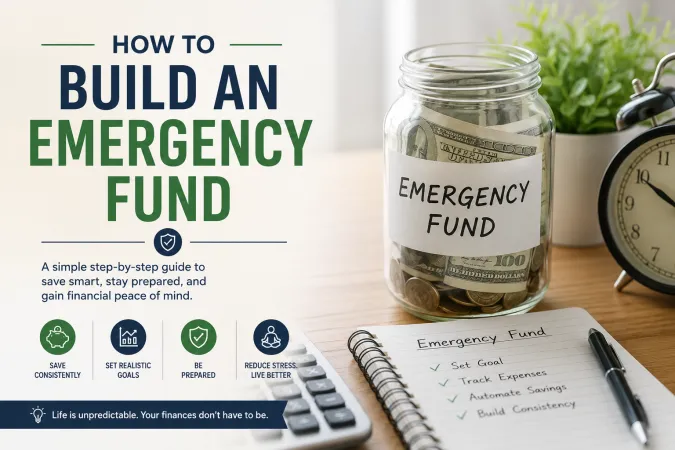
Start with a $1,000 starter fund, then build toward 3–6 months of essential expenses. See how to build an emergency fund.
A sinking fund sets aside a small amount monthly for a predictable future expense, like car registration or holiday gifts. See our full explainer.
Identify your specific trigger (emotional, social, convenience) and add friction at the moment of purchase. Full breakdown in how to stop overspending.