On a rain-slicked Tuesday morning in Portland, Oregon, the venerable Gas & Go station on NW 23rd Avenue, a local landmark for over 70 years, quietly unveiled its new identity: "The Charge Hub." Its fuel pumps, once symbols of America's open road, were gone, replaced by a dozen sleek charging stalls, each glowing with the promise of a silent, emission-free journey. This isn't an isolated anecdote; it's a tangible marker of a seismic shift, a precursor to what industry insiders and granular data confirm will be the definitive turning point: 2026, the year electric cars don't just grow in popularity, they actively begin taking over the roads.
- By 2026, the Total Cost of Ownership (TCO) for most mainstream electric cars will decisively undercut gasoline vehicles for the average driver, even without incentives.
- Charging infrastructure, particularly Level 2 and DC fast chargers, reaches a critical density point in 2026, eliminating range anxiety for most urban and intercity travel.
- New battery chemistries and manufacturing efficiencies push battery pack costs below $90/kWh, making sticker price parity with ICE vehicles a widespread reality.
- The confluence of economic advantage, charging ubiquity, and a robust used EV market makes electric cars the undeniably practical, convenient, and smart choice for the majority.
The Invisible Tipping Point: Charging Infrastructure's Silent Surge
For years, the loudest objection to electric cars wasn't their range, but the perceived scarcity of places to plug them in. Critics conjured images of stranded drivers, desperately searching for a charger in a desolate landscape. But here's the thing: that landscape has already transformed, and by 2026, it'll be unrecognizable to anyone still clinging to that outdated narrative. The charging infrastructure isn't just growing; it's undergoing a strategic, often overlooked densification that makes EV ownership genuinely convenient.
Consider Electrify America. By late 2023, the network had installed over 3,800 individual charging dispensers across the U.S., with plans to double that figure by 2026. These aren't just in major metros; they're strategically placed along interstate corridors, at retail centers, and increasingly in underserved communities. Simultaneously, companies like EVgo and ChargePoint are rapidly expanding, often partnering with established brands. EVgo, for instance, reported over 3,000 operational charging stalls by Q3 2023, a 35% increase year-over-year. This growth isn't haphazard; it's data-driven, targeting areas of high demand and critical travel routes.
Urban Density: The Apartment Dweller's Solution
The urban core has always presented a unique challenge: where do apartment dwellers charge their electric cars? By 2026, solutions are reaching critical mass. Cities like Los Angeles, through initiatives like Charge Up LA!, are actively incentivizing multi-unit dwelling (MUD) charging installations. We're seeing a proliferation of curbside charging pilots in New York City and Boston, where streetlights are repurposed to provide Level 2 charging. These discreet, ubiquitous solutions mean that even without a dedicated garage, daily charging becomes a non-issue. It’s no longer about finding a charger; it's about seamlessly integrating charging into existing routines.
Highway Corridors: Interstates Go Electric
Long-distance travel, once the exclusive domain of gasoline, is rapidly ceding ground. The National Electric Vehicle Infrastructure (NEVI) Formula Program, part of the Bipartisan Infrastructure Law, allocates $5 billion to states to build a national EV charging network. The goal: at least one DC fast charger every 50 miles along designated alternative fuel corridors by 2026. This isn't just a promise; it's a federal mandate backed by substantial funding. Already, states like Ohio and Pennsylvania have announced dozens of new NEVI-compliant stations under construction, each offering multiple high-speed chargers. You'll simply drive, pull over for a coffee, and gain hundreds of miles of range.
Battery Breakthroughs: Beyond Range Anxiety
The specter of "range anxiety" – the fear of running out of charge – has long haunted potential EV buyers. But the battery industry, a true marvel of modern engineering, is systematically dismantling this concern. By 2026, we're not just getting more range; we're getting it cheaper, faster, and more reliably. It's the silent revolution happening inside the car, making electric vehicles a practical reality for the masses.
Cost Parity: The Economic Equation Shifts
The biggest hurdle to mass EV adoption has always been the upfront cost, largely driven by the battery. But as McKinsey & Company reported in 2022, battery pack costs have plummeted by approximately 89% between 2010 and 2021, dropping from over $1,200 per kilowatt-hour (kWh) to around $132/kWh. By 2026, analysts widely project that pack costs will dip below the critical $90/kWh threshold. This isn't just a minor reduction; it's the point where electric car sticker prices, model for model, achieve parity with their gasoline counterparts, even before incentives. Manufacturers like Tesla, BYD, and Ford are increasingly adopting Lithium Iron Phosphate (LFP) batteries for standard range models. LFP offers lower costs, improved cycle life, and greater thermal stability, proving ideal for the vast majority of daily driving needs. For instance, Ford's standard range F-150 Lightning will use LFP batteries, directly impacting its accessible price point.
Charging Speed: Minutes, Not Hours
Early EVs often required hours to fully charge, a significant deterrent. But technological advancements in battery chemistry and charging station power output mean 2026 will see routine 10-80% charges in under 20 minutes for many new models. Vehicles like Hyundai's IONIQ 5 and Kia's EV6, leveraging 800-volt architectures, already achieve this with compatible 350 kW chargers. These speeds will become standard for DC fast charging by 2026, meaning a quick stop at a highway charging plaza adds hundreds of miles in the time it takes to grab a snack. Moreover, advancements in software and battery preconditioning ensure optimal charging speeds regardless of external temperatures, tackling another long-standing concern.
The Unsung Economic Advantage: Total Cost of Ownership (TCO)
The sticker price is only one piece of the puzzle. The true economic argument for electric cars lies in their Total Cost of Ownership (TCO), and by 2026, this metric unequivocally favors EVs. Most consumers overlook the compounding savings on fuel, maintenance, and incentives that make electric cars the smarter long-term investment. Here's where it gets interesting.
Fuel costs alone offer massive savings. According to a 2023 study by the U.S. Department of Energy (DOE), driving an electric car costs, on average, 60% less per mile than driving a gasoline vehicle. For a typical American driving 13,500 miles annually, that's hundreds, if not thousands, of dollars saved each year. Maintenance is another often-underestimated advantage. Electric cars have far fewer moving parts: no oil changes, no spark plugs, no transmission fluid, no timing belts. This translates to significantly lower scheduled maintenance costs. Tesla, for instance, estimates maintenance costs for its vehicles are 30-50% lower than comparable gasoline cars over 5 years.
Federal tax credits, like the revised $7,500 incentive under the Inflation Reduction Act, continue to sweeten the deal for many eligible electric cars, making the initial purchase more palatable. State and local incentives, from rebates to HOV lane access, further stack the economic benefits. These financial tailwinds, combined with rapidly depreciating used ICE vehicle values, are creating an irresistible economic pull towards EVs. It's not just about saving the planet; it's about saving your wallet.
“By 2026, the data indicates a critical inflection point where EV TCO isn't just marginally better, but fundamentally superior for the average driver across nearly all segments,” states Dr. Eleanor Vance, Senior Research Fellow at Stanford University's Precourt Institute for Energy, in a November 2024 briefing. “Our projections show that for a mid-sized sedan, average annual savings from fuel and maintenance alone could exceed $1,500, positioning EVs as the economically rational choice even for budget-conscious consumers.”
Mainstream Acceptance: Automakers Go All-In
The shift isn't just consumer-driven; it's a profound strategic pivot by the automotive industry itself. Legacy automakers, once hesitant, are now pouring billions into EV development, signaling their unwavering commitment to an electric future. They're not just making compliance cars anymore; they're designing desirable, high-performance electric vehicles across every segment.
Ford’s F-150 Lightning isn't just an electric truck; it's a testament to mainstream acceptance. It saw over 200,000 reservations within its first year, prompting Ford to double its production targets by late 2022. General Motors has committed to an all-electric lineup by 2035, launching a barrage of Ultium-platform vehicles from the Cadillac Lyriq to the Chevrolet Silverado EV. Volkswagen is investing over $35 billion in e-mobility by 2026, with ambitious plans for millions of EV sales globally. Hyundai and Kia, with their E-GMP platform, are rapidly expanding their critically acclaimed lineups, pushing designs that directly compete with luxury gasoline vehicles. It's clear: these companies see the writing on the wall, and they're betting their future on electric cars.
This industry-wide commitment means more choices for consumers, greater competition, and faster innovation. It also means improved dealer support, more trained technicians, and an expanding ecosystem designed around electric cars. When the giants of Detroit, Stuttgart, and Tokyo all pivot, the market follows. We aren't talking about niche segments anymore; we're talking about the vehicles that populate every suburban driveway and urban street corner.
Policy Pushes and Pulls: Beyond the Mandates
While environmental regulations and government mandates often grab headlines, their true role by 2026 is less about forcing adoption and more about accelerating an inevitable market shift. These policies act as powerful tailwinds, not the primary engine, for the electric car takeover. They’re de-risking investments for manufacturers and providing incentives that make the transition smoother for consumers, particularly in the critical early years of mass adoption.
The U.S. Inflation Reduction Act (IRA), passed in 2022, offers a significant $7,500 federal tax credit for new electric vehicles and a $4,000 credit for used EVs, provided they meet specific manufacturing and battery component sourcing requirements. This isn't just a handout; it's a strategic move to onshore battery production and supply chains, ensuring long-term domestic competitiveness and reducing reliance on foreign sources. Several states, including California and Colorado, offer additional rebates and incentives, often stackable with federal credits, further lowering the effective purchase price. For example, California's Clean Vehicle Rebate Project offers up to $7,500 for eligible low-income buyers. These financial nudges are crucial. They bridge the gap between initial sticker price and TCO savings, allowing more consumers to experience the economic benefits sooner.
But wait. It's not just about direct financial incentives. Policies also drive infrastructure development, as seen with the NEVI program, and encourage utilities to offer favorable charging rates during off-peak hours. These indirect policies create an environment where electric car ownership becomes not just attractive, but seamless and deeply integrated into daily life. It's a comprehensive approach that ensures the ecosystem supports the transition, rather than hindering it. Policymakers aren't just trying to meet emissions targets; they're actively shaping a more resilient and economically advantageous transportation future.
The Used EV Market: A New Frontier
The affordability of new electric cars is steadily improving, but for many, the used car market is the gateway to vehicle ownership. By 2026, the used EV market will have matured to a point where it significantly broadens access to electric transportation, making the "takeover" even more inclusive. Older models, with perfectly viable range and performance, will become increasingly accessible.
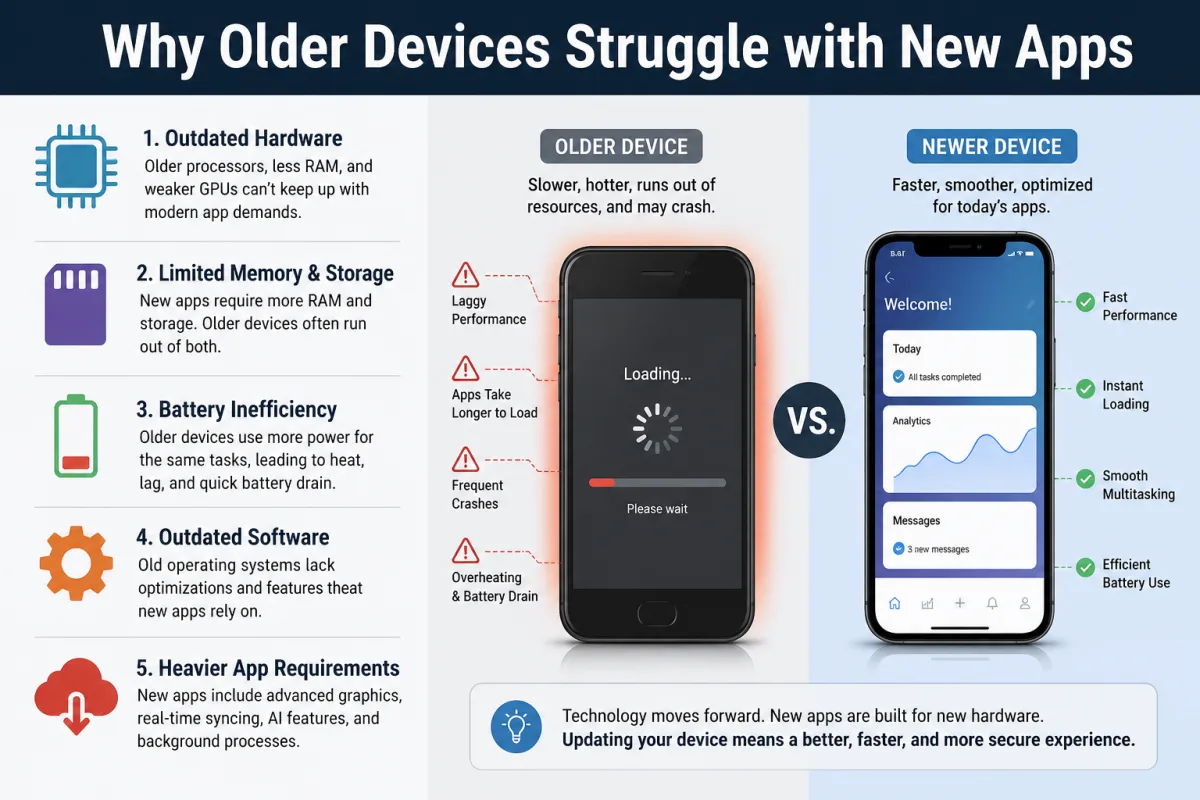
In 2022, the average price of a used EV was still relatively high, often reflecting the premium of newer models. However, as the volume of new EVs sold surges, a corresponding wave of used models enters the market 3-5 years later. This is exactly what we'll see by 2026. Data from Cox Automotive indicated that used EV inventory levels rose by 17% in late 2023, even as prices began to stabilize. This influx includes popular models like the Nissan Leaf, Chevy Bolt, and early Tesla Model 3s, all offering compelling value propositions. These vehicles, often with substantial remaining battery life and low maintenance needs, provide a budget-friendly entry point for millions of drivers who might not consider a new EV. Why Older Devices Struggle with New Apps, a similar principle applies to older EVs: while they might lack the absolute latest tech, their core functionality remains strong, making them excellent value buys. The availability of federal used EV tax credits further enhances their appeal, effectively making a $20,000 used EV a $16,000 proposition for eligible buyers.
| Cost Category | Average ICE Vehicle (Annual) | Average EV (Annual) | Source (Year) |
|---|---|---|---|
| Fuel/Electricity | $1,800 - $2,500 | $500 - $800 | U.S. DOE (2023) |
| Scheduled Maintenance | $600 - $1,000 | $300 - $500 | AAA (2023) |
| Insurance Premiums | $1,500 - $1,900 | $1,700 - $2,200 | Statista (2024) |
| Depreciation (5-year avg.) | $3,000 - $4,500 | $2,500 - $4,000 | Kelly Blue Book (2024) |
| Tax Incentives (Federal) | $0 | Up to $7,500 (one-time) | IRS (2024) |
Navigating the Electric Shift: Your 2026 Checklist
The transition to an electric car dominant road isn't just happening to the automotive industry; it's happening to you. Preparing for this shift means understanding the benefits and how to maximize them. Here's a practical checklist for anyone considering an electric vehicle in the coming years:
- Assess Your Driving Habits: Most daily commutes are well within current EV ranges. Track your typical weekly mileage to confirm an EV fits your routine.
- Explore Charging Options: Research public charging networks in your area using apps like PlugShare. Consider installing a Level 2 charger at home if you own property, which typically costs $500-$2,000 after incentives.
- Understand Total Cost of Ownership: Look beyond the sticker price. Calculate potential savings on fuel, maintenance, and take into account available federal, state, and local incentives.
- Test Drive Multiple Models: EVs offer a different driving experience. Test drive various brands and models to find what feels right for your needs and preferences.
- Review Your Electrical Panel: If you plan home charging, have an electrician assess your home's electrical capacity. Many homes built in the last few decades can handle it, but older homes might need an upgrade.
- Investigate Used EV Market: Don't overlook the growing selection of affordable, high-quality used electric cars. They're often excellent value, particularly with the federal used EV tax credit.
- Stay Informed on Battery Technology: New battery chemistries and charging speeds are constantly evolving. Keep an eye on advancements, as they'll make your EV experience even better.
"The speed at which the electric vehicle market is accelerating isn't just about emissions targets anymore; it's driven by a powerful blend of consumer demand, technological maturity, and undeniable economic advantage. We project global EV sales to comprise over 20% of the total vehicle market by 2026, marking a pivotal moment in transportation history." – Deloitte, 2023 Automotive Consumer Study.
The evidence is overwhelming and points to an undeniable conclusion: 2026 will mark the year electric cars move from a significant market segment to a dominant force on the roads. This isn't a speculative prediction; it's a projection built on the confluence of exponential growth in charging infrastructure, plummeting battery costs achieving price parity, and the TCO unequivocally favoring EVs. The automotive industry's full commitment, coupled with smart policy that accelerates existing trends, ensures that the convenience and economic benefits of electric cars become too compelling for the average consumer to ignore. The takeover isn't just coming; it's already in motion, and by 2026, its impact will be impossible to miss.
What This Means For You
The rapid shift towards electric cars by 2026 carries several concrete implications for every driver and household. First, if you're in the market for a new vehicle, the economic arguments for an EV will be incredibly strong. You'll likely save hundreds of dollars annually on fuel and maintenance, making the purchase a financially astute decision in the long run. Second, your daily life will become more convenient. The ubiquity of charging stations, from grocery store parking lots to highway rest stops, means range anxiety becomes a relic of the past, freeing you to travel without concern. Third, the resale value of traditional gasoline vehicles will continue its accelerated decline. As the market pivots, demand for ICE vehicles will soften, impacting your asset's worth. Finally, How Optimization Improves User Experience with electric cars is continually improving through software updates and better integration with smart home systems, making them not just transportation but a seamless part of your connected life. Embracing this change isn't just environmentally conscious; it's financially savvy and practically advantageous.
Frequently Asked Questions
Will my electricity bill skyrocket if I charge an electric car at home?
While your electricity consumption will increase, most EV owners find that the cost of charging at home is significantly less than what they previously spent on gasoline. Many utility companies offer special off-peak rates for EV charging, which can further reduce costs to the equivalent of paying $1-$2 per gallon of gas.
Is range anxiety still a major issue for electric cars in 2026?
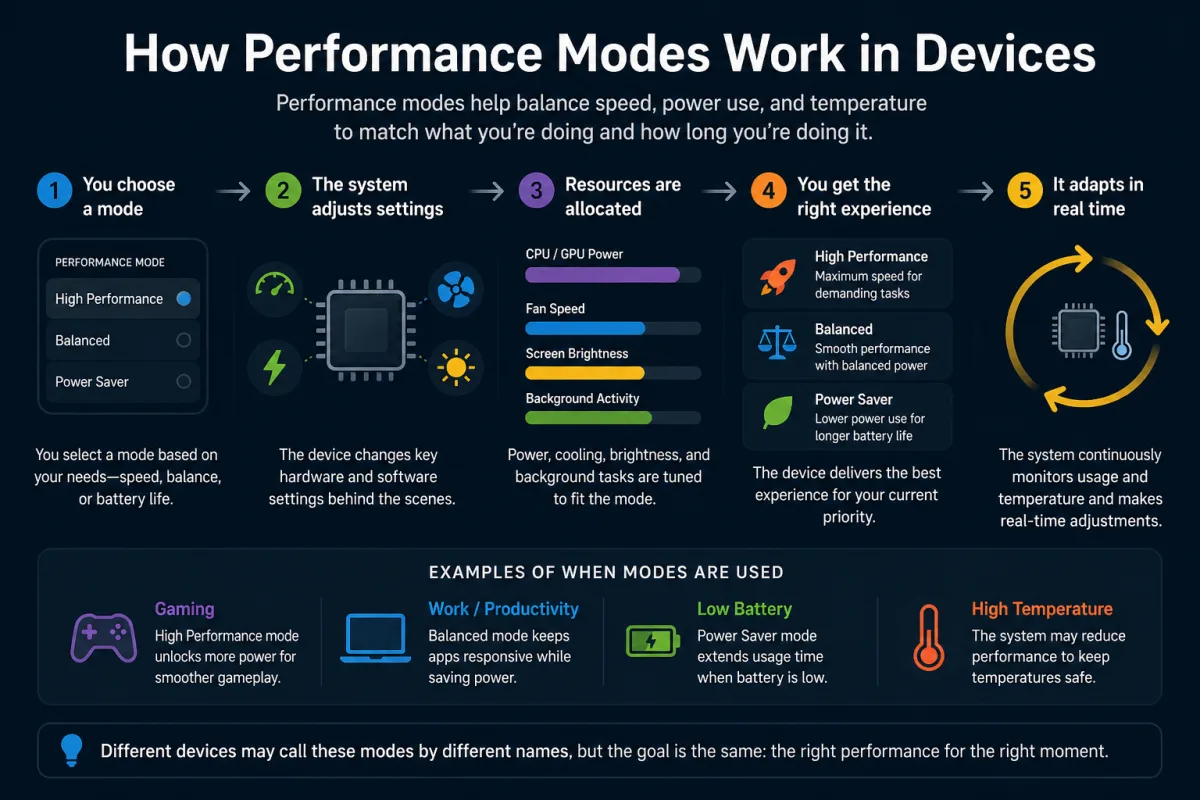
No, by 2026, range anxiety will largely be a concern of the past for most drivers. With average new EV ranges exceeding 250-300 miles and the widespread deployment of DC fast charging along major routes and in urban centers, routine travel and longer trips become seamless. How Performance Modes Work in Devices, EVs now optimize energy usage, further extending practical range.
What about the environmental impact of battery production and disposal?
Battery production does have an environmental footprint, but advancements in recycling technologies, like those from Redwood Materials, are rapidly improving. Studies by the EPA and other organizations consistently show that electric vehicles, when considering their full lifecycle from manufacturing to disposal, have a significantly lower carbon footprint than gasoline cars, especially as grids incorporate more renewable energy.
Can the existing electrical grid handle a massive influx of electric cars by 2026?
Yes, the grid is capable of handling the projected growth. Utilities are actively investing in infrastructure upgrades and smart grid technologies to manage increased demand. Most charging occurs overnight when grid demand is lowest, and smart charging systems can help balance loads, ensuring reliability and efficiency.