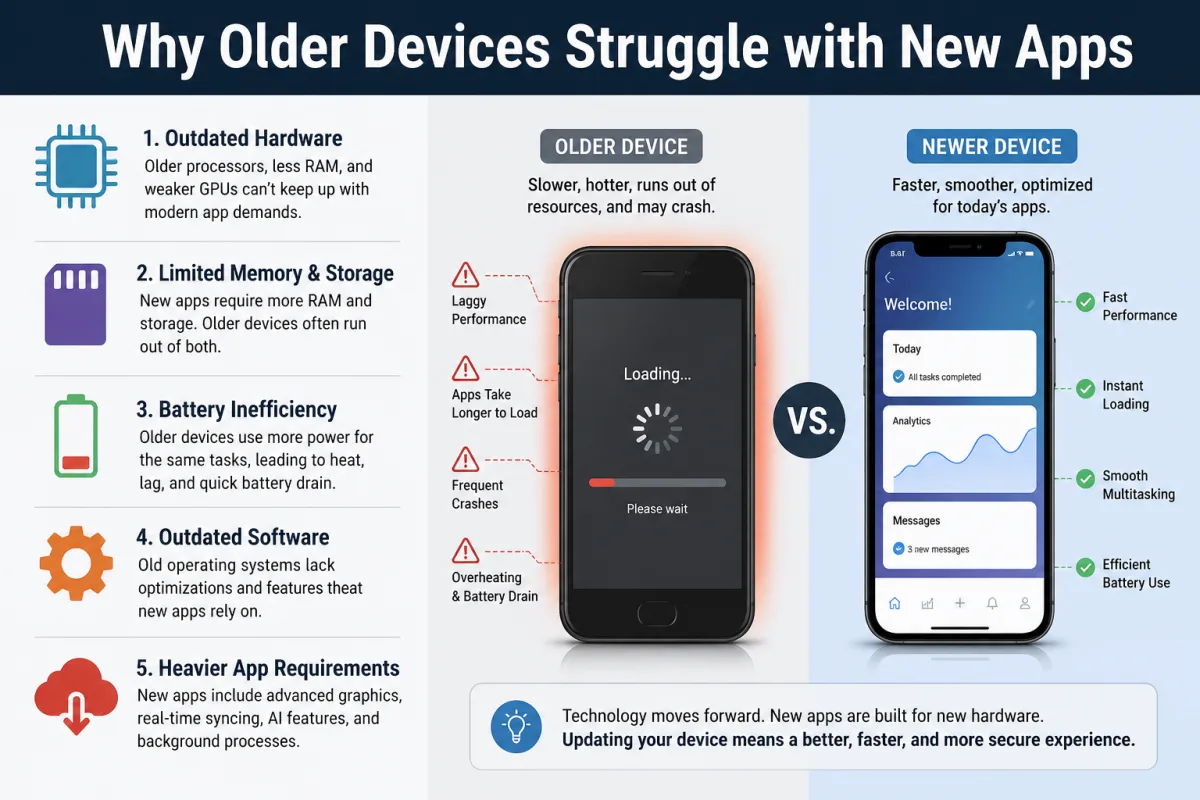
In 2017, the Samsung Galaxy S6, a flagship smartphone from just two years prior, received its final official Android update at version 7.0 Nougat. Its hardware, featuring a potent Exynos 7420 processor and 3GB of RAM, remained arguably capable for several more iterations. Yet, like millions of other devices, it was quietly consigned to the digital graveyard, forever locked out of the performance enhancements, new features, and critical security patches that define the modern computing experience. Is this simply planned obsolescence, a cynical ploy by manufacturers to force upgrades? While commercial incentives undeniably play a role, a deeper investigation reveals a far more intricate and systemic web of technical debt, fragmented supply chains, and regulatory pressures that make continuous device updates an unsustainable endeavor for many, even when the silicon itself could soldier on.
- Hardware isn't the sole barrier; obscure IP licenses and vanishing driver support often halt critical updates.
- Manufacturers face escalating security compliance costs, making long-term older device support economically unviable.
- Fragmented global supply chains mean vital component documentation can disappear, blocking future OS integration.
- Consumers unknowingly shoulder the economic burden of this "update debt" through accelerated, often unnecessary, device turnover.
The Invisible Handshake: Component Dependencies Halt Latest Updates
At the heart of every electronic device lies a complex array of components from dozens, sometimes hundreds, of different manufacturers. Each chip—be it the CPU, GPU, modem, camera sensor, or Wi-Fi module—requires specific software known as drivers to communicate with the operating system. These drivers are often proprietary, developed in secret by the component maker, and delivered to the device manufacturer as "binary blobs"—pre-compiled, unmodifiable code. When a component manufacturer decides to end support for an older chip, perhaps to focus on newer, more profitable lines, the device maker finds itself in a bind. Without updated drivers, integrating a new operating system version becomes impossible, regardless of the device's raw processing power.
Consider the stark contrast between the NVIDIA Shield TV, first released in 2015, and many Android smartphones from the same year. The Shield TV, powered by NVIDIA's Tegra X1 processor, has received continuous software updates for over nine years, including upgrades to Android TV 11. Why? NVIDIA, as both the chip designer and the device manufacturer, maintains tight control over its entire software and hardware stack. This vertical integration allows them to develop and maintain drivers for their older chipsets, bypassing the dependency on external suppliers. Most smartphone manufacturers, however, rely on chip giants like Qualcomm, MediaTek, or Samsung's Exynos division. Once these chipmakers declare an end-of-life for a particular SoC (System-on-a-Chip), the flow of essential driver updates dries up, effectively bricking the device's upgrade path. This isn't just about speed; it's about the fundamental ability to interact with the OS. Without that, no email verification, no new app features, nothing works reliably.
For example, Qualcomm's Snapdragon 800/801 series, ubiquitous in 2014-2015 flagships like the Samsung Galaxy S5 and LG G3, stopped receiving official driver support around 2016. Device manufacturers then had no route to port newer Android versions beyond what was already supported by those final drivers. It's a silent, technical chokehold, often invisible to the end-user.
Licensing Labyrinths and Intellectual Property Roadblocks
Beyond the physical components, software licensing agreements and intellectual property (IP) rights create formidable barriers to extended device support. Operating systems like Android, while open-source in their core (AOSP - Android Open Source Project), rely heavily on proprietary services and certifications. Google's suite of services, including the Play Store, Maps, and Gmail, are licensed to manufacturers only if their devices pass the Android Compatibility Test Suite (CTS). Each new Android version introduces new CTS requirements, and meeting these for older hardware can be a monumental task, both technically and financially.
Manufacturers must not only adapt their custom UI layers (like Samsung's One UI or Xiaomi's MIUI) to the new Android base but also ensure all proprietary third-party components—from fingerprint sensors to camera modules—have updated, compliant drivers. Here's the thing. The legal teams get involved long before the engineers. If a critical component's IP holder is unwilling or unable to provide updated drivers or firmware under the terms required for a new Android version's CTS, the entire update process grinds to a halt. It's not uncommon for licensing agreements to have expiry dates or to be tied to specific hardware generations, making it legally difficult or expensive to extend support for older devices.
Dr. Sarah Chen, Legal Counsel at EFF (Electronic Frontier Foundation), stated in a 2023 analysis: "Restrictive licensing for crucial firmware often creates legal cul-de-sacs for update pipelines. It makes it prohibitively expensive or even legally impossible for OEMs to adapt newer OS versions when the underlying component manufacturers refuse to update their proprietary drivers or renegotiate terms for older hardware, essentially creating an artificial expiration date."
This complex web of agreements, often involving dozens of parties for a single device, means that a single holdout can derail an entire update cycle. The cost of navigating these legal thickets for a device generating diminishing returns simply isn't justifiable for many companies.
The Untenable Cost of Maintenance: When Support Becomes a Liability
Maintaining software for older devices isn't a one-time job; it's an ongoing financial and engineering commitment. Each operating system update or security patch requires extensive testing across a vast matrix of hardware configurations, regional variants, and carrier-specific customizations. For manufacturers balancing hundreds of active device models, this quickly becomes an insurmountable cost center. Fairphone, a company explicitly dedicated to longevity, highlights this challenge. Markus Müller, Head of Product Lifecycle Management at Fairphone, noted in a 2024 interview that their commitment to 7+ years of support for devices like the Fairphone 4 demands "significant, continuous investment in driver adaptation, security research, and testing for an ever-smaller user base." Most manufacturers simply don't have that luxury or business model.
Driver Development: A Silent Killer
Every new operating system version introduces changes to the kernel, APIs, and low-level system architecture. These changes necessitate updates to device drivers to ensure proper functionality. For older hardware, this often means reverse-engineering components whose original manufacturers have moved on, or rebuilding drivers from scratch if source code isn't available or compatible. The Blackberry PlayBook, released in 2011, serves as a poignant example. Despite promising an update to Android, the effort to port Android's kernel and drivers to its QNX-based architecture proved too costly and complex, ultimately leading to the cancellation of the project and the device's untimely demise. This isn't just about making things work; it's about ensuring stability, performance, and compatibility across an entire ecosystem. The engineering hours required for this kind of deep-level driver work for every device model are staggering.
Security Patches: An Endless Battle
The digital threat landscape evolves daily. Each month, new vulnerabilities are discovered in operating systems, applications, and even hardware firmware. Issuing security patches for these threats is paramount, but it's also a continuous, resource-intensive process. Manufacturers must backport these patches to every supported device model, test them rigorously, and then roll them out globally. This burden is intensifying with new regulations. The European Commission's proposed Cyber Resilience Act, expected to be fully implemented by 2024, aims to mandate up to five years of security updates for connected devices sold within the EU. While beneficial for consumers, this significantly increases the compliance and maintenance costs for manufacturers, forcing them to re-evaluate how long they can realistically support older hardware without incurring prohibitive losses. This escalating cost is a major reason why some devices don't support latest updates, even if they're still physically sound.
Fragmented Ecosystems and Custom OS Skins
The Android ecosystem, with its myriad manufacturers and custom user interfaces, presents a unique challenge for timely and extended updates. Unlike Apple's tightly controlled iOS environment, where one company manages both hardware and software, Android is fragmented. Manufacturers like Samsung, Xiaomi, and OnePlus invest heavily in developing their own "skins"—One UI, MIUI, OxygenOS—that overlay and deeply integrate with the base Android operating system. These custom skins offer differentiating features and aesthetics, but they come at a significant cost: each new Android version requires a massive re-engineering effort to adapt the custom UI, its unique features, and often proprietary apps, to the new underlying framework. This process is time-consuming, expensive, and often delays updates by months, or even prevents them entirely for older models where the development cost outweighs the potential return.
Consider the typical update cycle: Google releases a new Android version, then chip manufacturers (Qualcomm, MediaTek) release updated drivers, and *then* device manufacturers begin the arduous process of adapting their custom skins. For a device that's a year or two old, the engineering resources might be better spent on ensuring a smooth launch for the next generation of flagships. So what gives? It's a balancing act between pleasing current customers and driving future sales. This is also why we see such variability in update longevity across brands, as illustrated in the table below, showcasing why some devices don't support latest updates for as long as others.
| Manufacturer | Typical Flagship OS Support (Years) | Typical Security Update Support (Years) | Example Device |
|---|---|---|---|
| Apple | 6-8 | 6-8 | iPhone 8 (iOS 11 to iOS 16) |
| Google Pixel | 3-5 | 5 | Pixel 6 (Android 12 to Android 17) |
| Samsung (premium) | 4 | 5 | Galaxy S23 (Android 13 to Android 17) |
| Xiaomi (premium) | 2-3 | 3-4 | Xiaomi 13 (Android 13 to Android 15) |
| OnePlus (premium) | 3 | 4 | OnePlus 11 (Android 13 to Android 16) |
Regulatory Compliance and Certification Headaches
Every new operating system version, especially one that introduces significant changes to networking, security, or privacy protocols, can trigger a cascade of regulatory compliance requirements. Devices aren't just software; they're also subject to certifications from bodies like the Wi-Fi Alliance, Bluetooth SIG, and various national telecommunications authorities. Major OS updates often necessitate re-validation or re-certification to ensure the device still meets current standards for radio emissions, security protocols, and interoperability. This is particularly true for changes in how devices handle network connections, like those that impact how temporary email services function or VPNs operate. Each re-certification adds significant cost and time to the update process.
Furthermore, evolving privacy regulations, such as GDPR in Europe or CCPA in California, place increasing demands on how devices handle user data. A new OS version might introduce features that require manufacturers to audit their software stack for compliance, update their privacy policies, and potentially re-engineer aspects of data handling. This isn't a small undertaking, especially for devices with a small remaining user base. The cost of ensuring every line of code on an older device meets the latest regulatory bar can quickly outweigh the revenue generated by its original sale years prior. For a manufacturer with a razor-thin margin on a budget device, these compliance hurdles become insurmountable, making the decision to cease updates almost a foregone conclusion.
Consumer Expectations vs. Manufacturer Realities
Consumers increasingly expect their devices to last longer, driven by environmental concerns, economic pressures, and a growing awareness of the digital waste problem. The "Right to Repair" movement, gaining legislative traction in places like California (with a 2023 law for electronics) and the European Union, directly challenges the traditional short lifecycle of consumer electronics. This movement implicitly advocates for longer software support, as a repairable device without updated software loses much of its utility. But wait, manufacturers operate within a different reality. Their business models often hinge on recurring sales of new hardware. Investing heavily in long-term software support for older devices, which generate no new revenue, clashes with this fundamental economic imperative. This isn't an excuse; it's a structural tension.
"Only 15% of consumers replace a perfectly functional device due to lack of software updates, yet 65% consider update longevity a key purchasing factor when buying a new device," according to Gartner Research (2022). This highlights a significant disconnect between consumer desire and actual purchasing behavior, giving manufacturers less incentive to prioritize long-term updates.
The challenge for manufacturers isn't just about technical feasibility; it's about making a sound business decision. The resources allocated to maintaining older devices are resources not spent on developing new features for upcoming products or optimizing the experience for current flagships, which are their primary revenue drivers. This tension is at the core of why some devices don't support latest updates: the perceived value proposition for the manufacturer simply isn't there, despite growing consumer demand for greater longevity.
How to Maximize Your Device's Update Lifespan
Understanding the complex reasons behind update cessation empowers you to make more informed choices. Here are actionable steps to ensure your next device stays current for as long as possible:
- Prioritize Manufacturers with Proven Track Records: Research companies known for extended software support, such as Apple (typically 6-8 years for iOS), Google Pixel (5 years for security updates), and increasingly, Samsung (4 years of OS updates for flagships).
- Opt for "Stock Android" or Android One: Devices with minimal OEM customization often receive updates faster and for longer, as the manufacturer has less bespoke UI to adapt.
- Invest in Flagship or Higher-Tier Devices: Premium devices typically command higher profit margins, allowing manufacturers more leeway to allocate resources for longer-term software development and support.
- Check Component Longevity: While difficult, research if the device uses common, well-supported chipsets (e.g., widely used Snapdragon series) which sometimes benefit from community-driven support even after official OEM cessation.
- Consider Community ROMs (with caution): If official support ends, robust communities around custom ROMs (like LineageOS) can extend an older device's life, but this requires technical skill and carries risks.
- Stay Informed on Regulatory Changes: New laws, like the EU's Cyber Resilience Act, will increasingly mandate longer support, influencing future purchasing decisions.
The narrative that devices stop receiving updates solely due to planned obsolescence is overly simplistic. While commercial pressures exist, the evidence overwhelmingly points to a systemic issue rooted in fragmented supply chains, opaque IP licensing, escalating security and regulatory compliance costs, and the sheer engineering burden of adapting complex software to a diverse array of aging hardware. Manufacturers face an untenable economic model where the cost of ongoing support for older, low-revenue devices quickly eclipses any perceived brand loyalty benefit. This isn't just about greed; it's a fundamental conflict between the intricate realities of modern tech production and consumer desire for indefinite device longevity. The industry is currently ill-equipped to bridge this gap without significant structural changes or regulatory intervention.
What This Means For You
This intricate web of technical, legal, and economic factors has direct implications for you, the consumer. Firstly, you're likely paying more in the long run by replacing devices prematurely, often not because of hardware failure but because they've become functionally obsolete without the latest software. This contributes to a growing e-waste problem, with the average smartphone lifespan now just 2.5 years before replacement, according to McKinsey (2021). Secondly, using devices that no longer receive security updates puts your personal data at significant risk. Without patches for newly discovered vulnerabilities, your device becomes an easier target for malware, phishing attacks, and data breaches, underscoring why proactive measures for email verification and strong, unique passwords are paramount. Thirdly, your choices as a consumer wield power. By demanding longer update cycles, prioritizing manufacturers with strong support commitments, and supporting "Right to Repair" initiatives, you can collectively push the industry towards more sustainable practices and extended device lifespans. Can consumers truly make a difference? Absolutely, by making informed purchasing decisions and advocating for change.
Frequently Asked Questions
Is planned obsolescence the only reason my phone stops getting updates?
No, while commercial incentives are a factor, complex IP licensing for proprietary components, escalating security certification costs mandated by new regulations like the EU's Cyber Resilience Act, and the immense logistical challenge of maintaining drivers for fragmented supply chains play a much larger, often unseen, role in why some devices don't support latest updates.
How long can I expect my smartphone to receive software updates?
It varies significantly by brand and device tier. Apple typically offers 5-7 years of iOS updates for iPhones. Google Pixel devices generally receive 3-5 years of OS updates and 5 years of security patches. Many Android manufacturers, especially for mid-range and budget devices, provide 2-4 years of updates, with some extending security patches for an additional year or two.
What are the risks of using a device that no longer receives updates?
The primary risk is security. Without critical patches, your device becomes increasingly vulnerable to malware, data breaches, and exploits that target unpatched flaws. This can compromise your personal information, financial data, and overall digital security, making it harder to ensure your emails aren't delayed by security concerns.
Can I manually install newer operating systems on my unsupported device?
Sometimes, yes, through unofficial custom ROMs like LineageOS, which are developed by the community. However, this process often voids your warranty, may not offer full hardware functionality (e.g., camera issues), carries inherent risks of bricking your device, and requires advanced technical skills and careful research for your specific model.